[Image: An otherwise unrelated photograph of a submarine, via Vice].
Something I’ve always loved about the architectural novels of J. G. Ballard—his excellent but under-rated Super-Cannes, the classic High-Rise, even, to an infrastructural extent, Concrete Island and Crash—is their suggestion that Modernism had produced a built environment so psychologically novel that humans did not fully understand how to inhabit it.
Ballard recasts residential towers on the edge of the city, for example, as fundamentally alienating, often inhumanly so, as if those structures’ bewildered new residents are encountering not a thoughtfully designed building but the spatial effects of an algorithm, a code stuck auto-suggesting new floors, supermarkets, and parking lots when any sane designer would long ago have put down the drafting pen.
Ballard’s novels suggest that these buildings should perhaps have come with a user’s guide, even a live-in psychiatrist for helping residents adapt to the otherwise unaccommodating, semi-psychotic emptiness of an un-ornamented Modern interior, a soothing Virgil for all those cavernous lobbies and late-night motorways.
Briefly, I might add that, in today’s age of questioning what it is that algorithms really want—for example, critiquing why social media platforms such as Instagram, Twitter, and, especially, YouTube recommend what they do—we are essentially repeating the same questions Ballard asked about modern urban planning and architectural design. Do we really want these spaces being foisted on us by a design ideology—a cultural algorithm—and, much more interestingly, Ballard asked, are we psychologically prepared for them when they arrive?
Perhaps Ballard’s characters sent reeling by the elevator banks of endless high-rise apartment complexes are not all that different from someone being red-pilled by YouTube autoplay recommendations today: they are both confronting something designed to fulfill the ideological needs of a rationality gone awry. Seen this way, Le Corbusier could be compared to a YouTube engineer too enthralled by the inhuman power of his own design algorithm to ask whether it was recommending the right thing (cf. Patrik Schumacher).
In any case, I mention all this because one fascinating—and real—example of psychiatrists tasked with evaluating a new spatial environment for its effects on human beings comes not from architecture but from the early days of the long-mission nuclear submarine. We might say that, while J. G. Ballard himself remained on land and in the cities, the true Ballardian environment was offshore and heavily militarized, a hermetically sealed psychological experiment prowling the ocean depths.
Papers such as “Human Adjustment to an Exotic Environment: The Nuclear Submarine,” “An Experience in Submarine Psychiatry,” and “Psychiatry and the Nuclear Submarine,” all published in the late 1960s, suggested that humans might well be undone by an encounter with an environment of their own making—perhaps an early foreshadowing of how we will greet the Anthropocene.
Much of this, of course, was aimed at ensuring that we only sent the most stable and qualified personnel out to sea in a confined environment for prolonged periods of time with intercontinental missiles at their disposal, so as to avoid erratic or petulant individuals from starting a nuclear war.
But the prospect that humans might have constructed something they themselves are unable to tolerate psychologically was an explicit secondary theme of that research.
In one more recent work, looking back at several decades’ worth of pathological behaviors observed in submarine personnel—among other things—crew members were described as hiding in ever-smaller places at the outermost periphery of a submerged vessel, curled up against the hull as if seeking solace there, even examples of “hypnotic phenomena” and other slowly emerging neuroses.
There is obviously more to say about all of this, but what interests me the most here is the prospect that we are underestimating the psychological power of architectural design—and that J. G. Ballard was unusually sharp at highlighting what happens to a person when they are not prepared to inhabit a new kind of spatial environment.
Whether it’s the potential loneliness of an American suburb, a high-rise overlooking London, or, for that matter, a nuclear submarine, it is an intriguing topic to explore in future fiction, perhaps some strange literary hybrid of J. G. Ballard and Tom Clancy in which the psychological effects of military isolation are explored in more depth.
(Related: Psychology at Depth.)
 [Image: From
  [Image: From
  [Image: Michelangelo’s sketches for the fortification of Florence].
 [Image: Michelangelo’s sketches for the fortification of Florence].
 [Image: Michelangelo’s sketches for the fortification of Florence].
 [Image: From the “
 [Image: River valley outside Kamdesh, Afghanistan, where the “
 [Image: Photo courtesy
 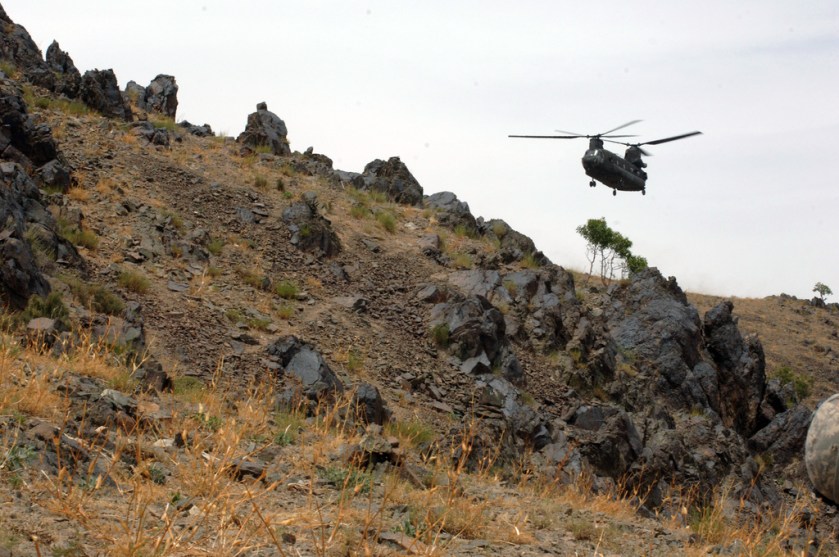 [Image: U.S. military helicopter in Afghanistan, courtesy
  [Image: Photo courtesy
  [Image: Photo courtesy
  [Image: The Atlantic Wall at Hankley Common, Surrey, UK; Instagram by
  [Image: The Atlantic Wall at Hankley Common, Surrey, UK; Instagram by
  [Image: The Atlantic Wall at Hankley Common, Surrey, UK; Instagram by
  [Image: A soldier at Hankley Common, Surrey, UK; Instagram by
  [Image: Hiking at Hankley Common, Surrey, UK; Instagram by
  [Image: Via
  [Image: [Image: Deception Island, from Millett G. Morgan’s September 1960 paper An Island as a Natural Very-Low-Frequency Transmitting Antenna].
 [Image:
  [Image: From
  [Image: From
  [Image:
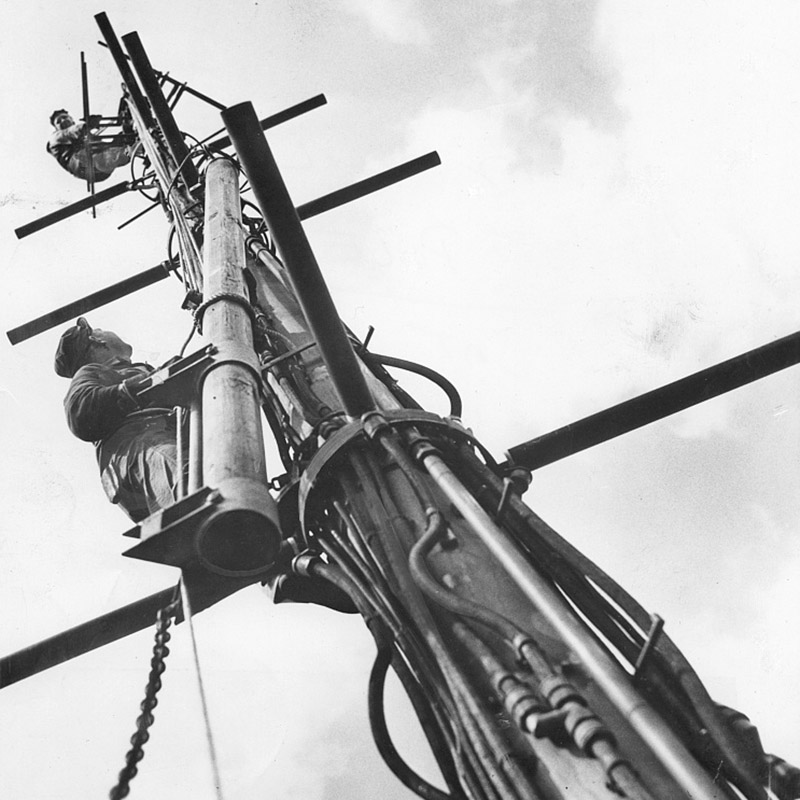 [Image: “Riggers install a lightning rod” atop the Empire State Building “in preparation for an investigation into lightning by scientists of the General Electric Company” (1947), via the
 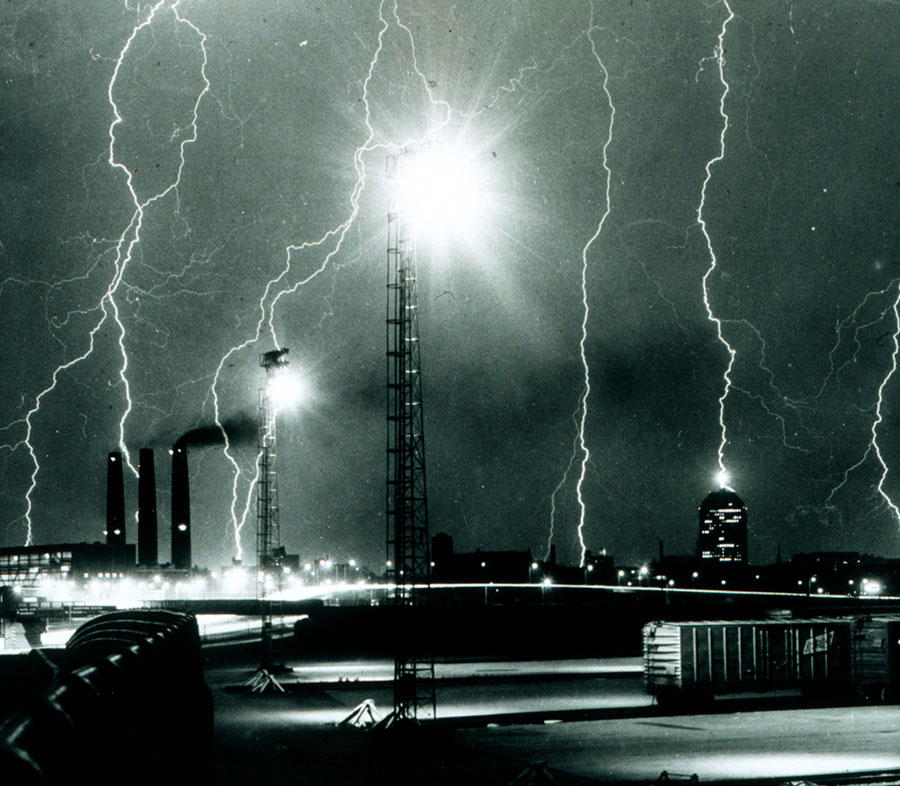 [Image: Lightning storm over Boston; via
 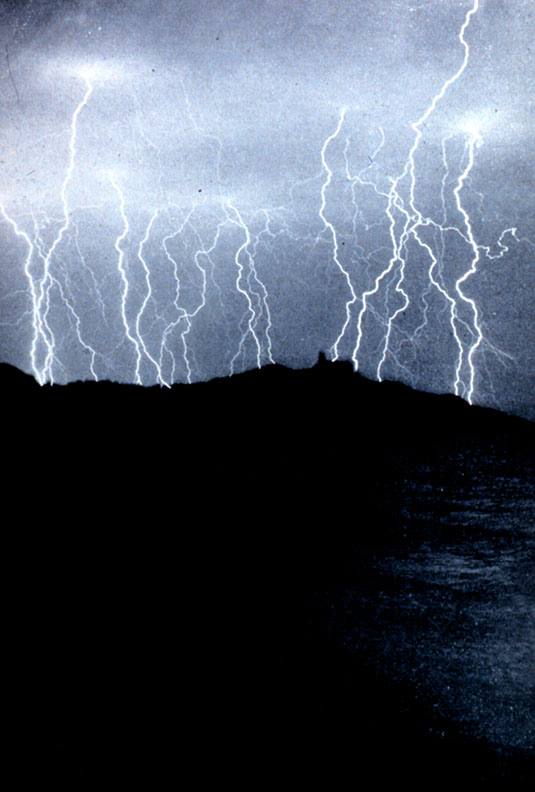 [Image: Lightning via
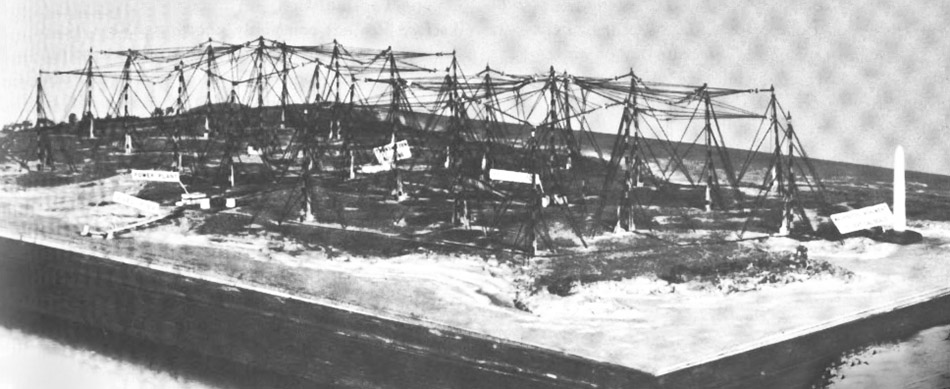
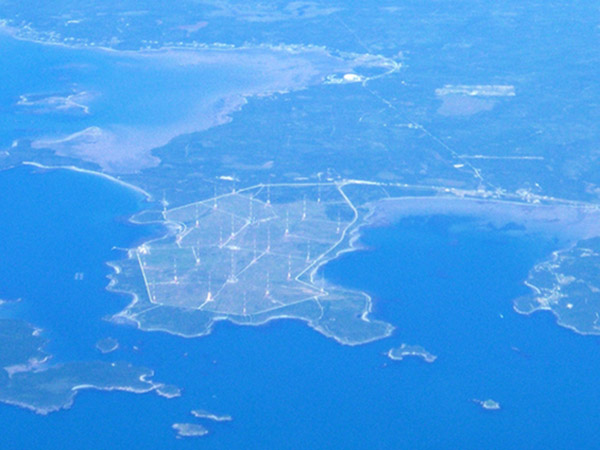 [Image: The Very Low Frequency antenna field at Cutler, Maine, a facility for communicating with at-sea submarine crews].
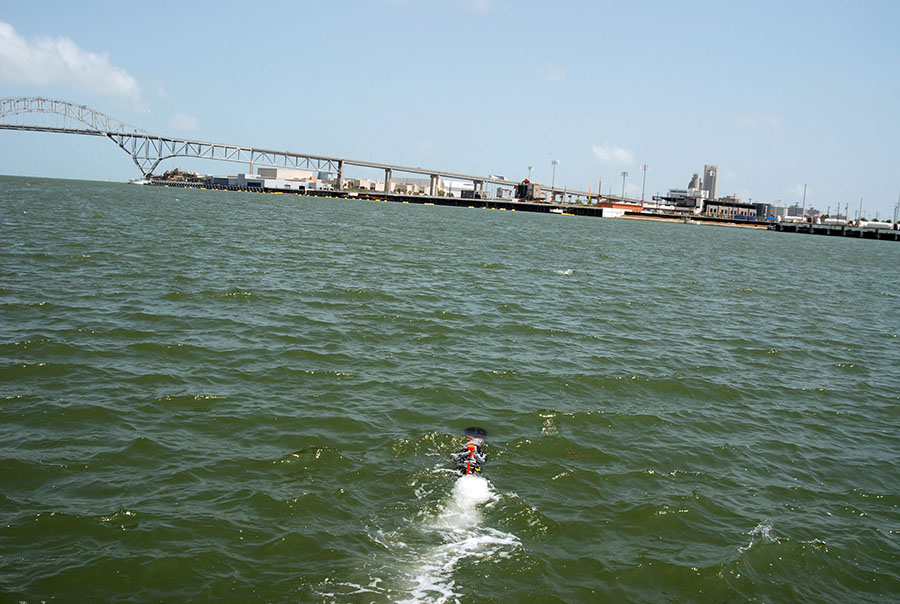 [Image: An unmanned underwater vehicle; U.S. Navy photo by S. L. Standifird].
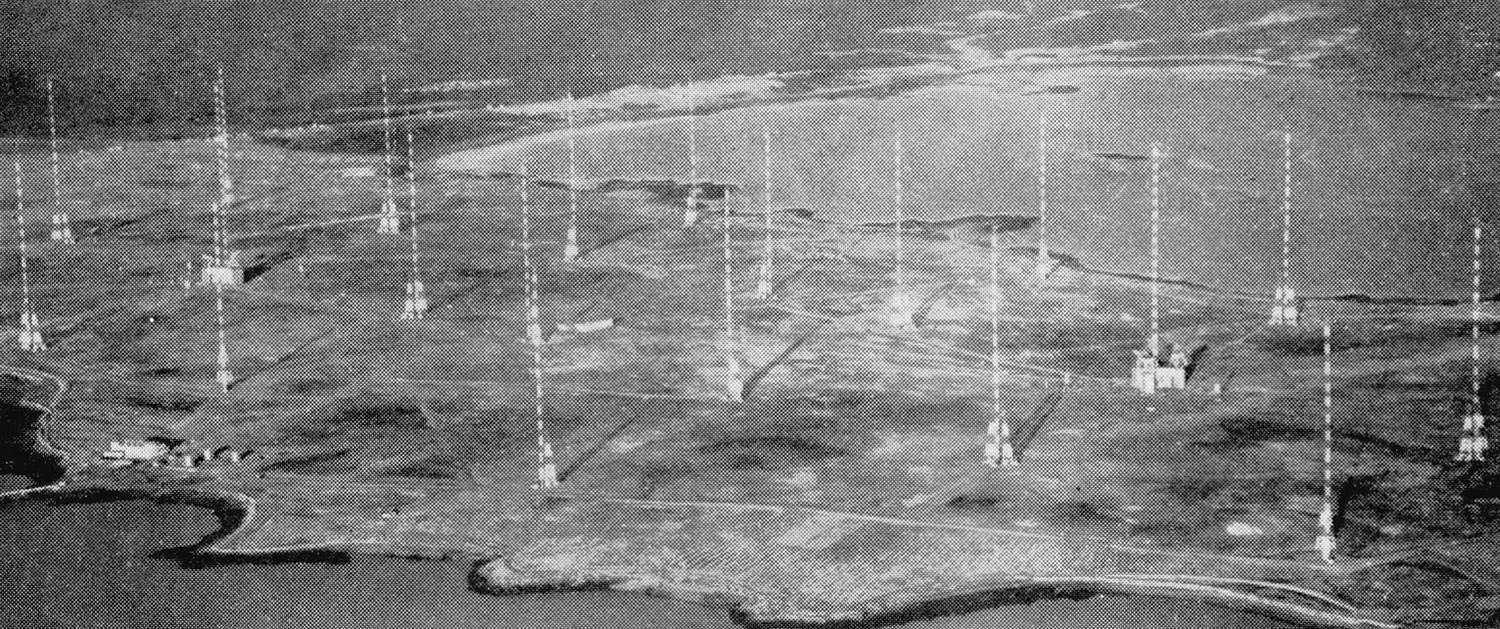 [Image: The
 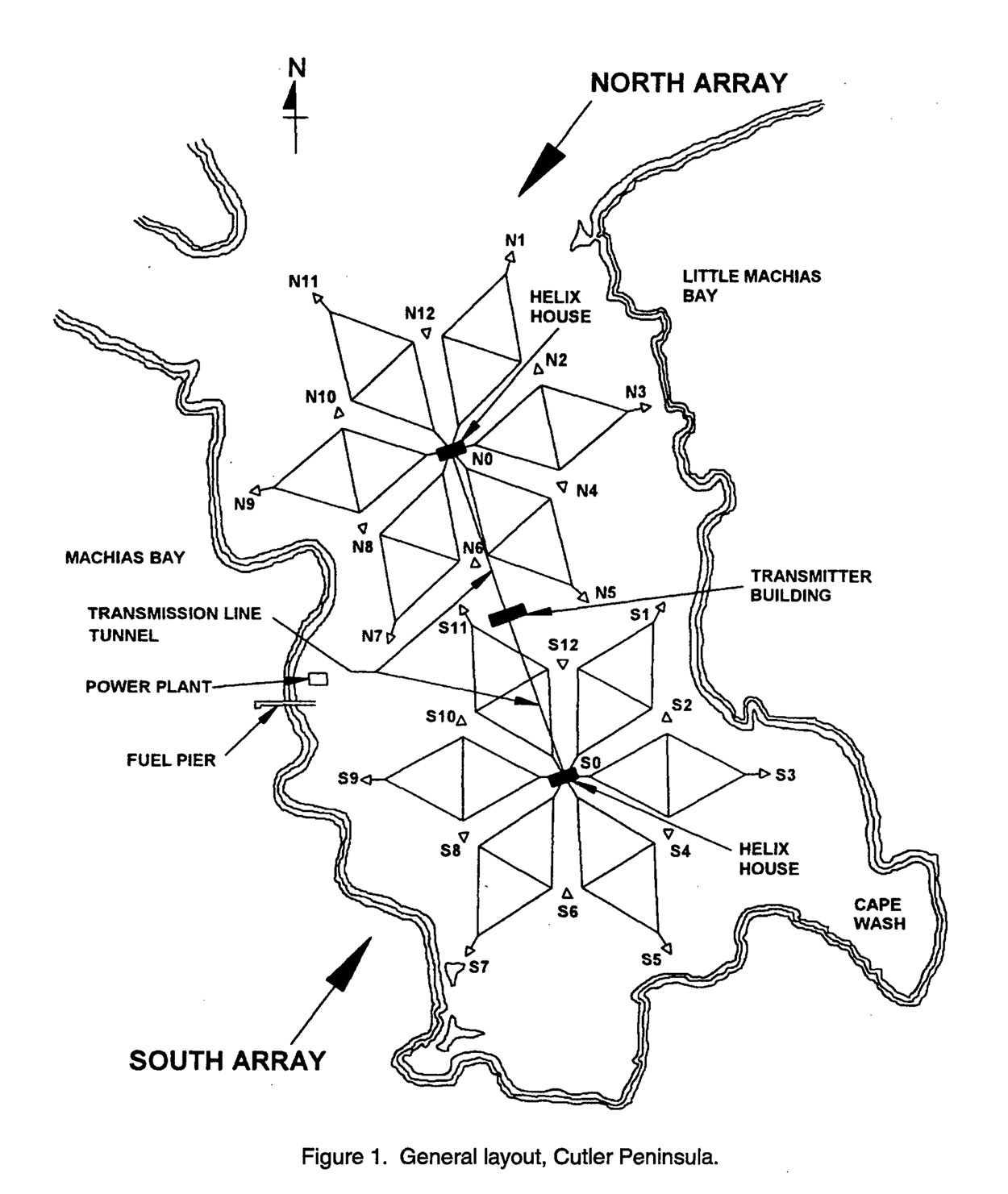 So what does this thing do? “The Navy’s very-low-frequency (VLF) station at Cutler, Maine, provides communication to the United States strategic submarine forces,” a January 1998 white paper called “Technical Report 1761” explains. It is basically an east coast version of the so-called
  [Image: A diagram of the antennas, from the aforementioned January 1998 research paper].
 [Image: Courtesy of
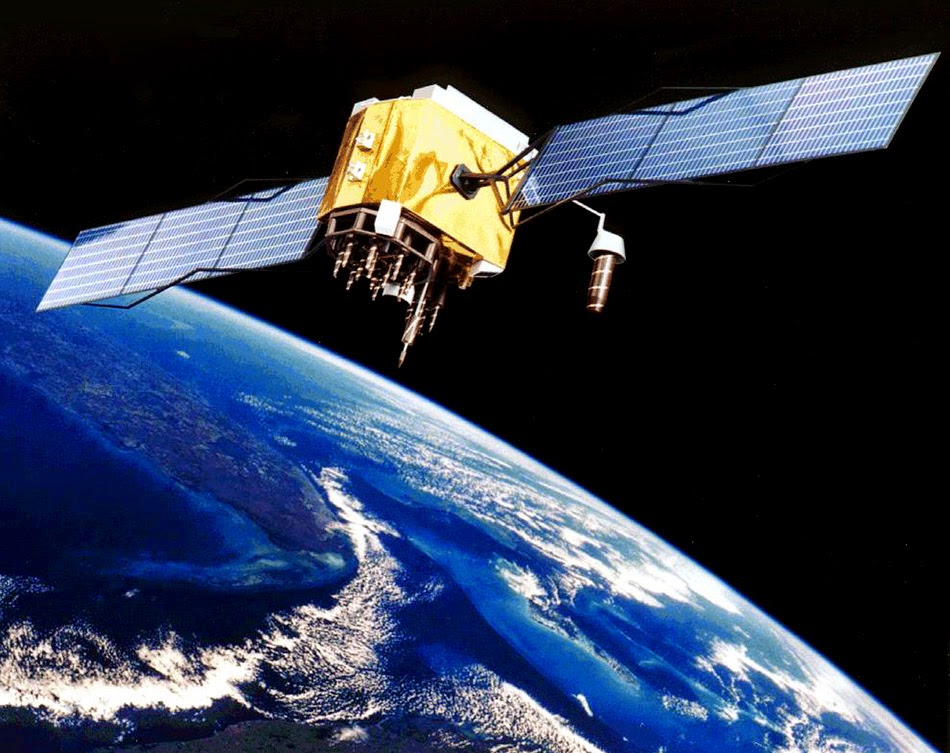 [Image: Artist’s rendering of a GPS satellite, via Wikipedia].
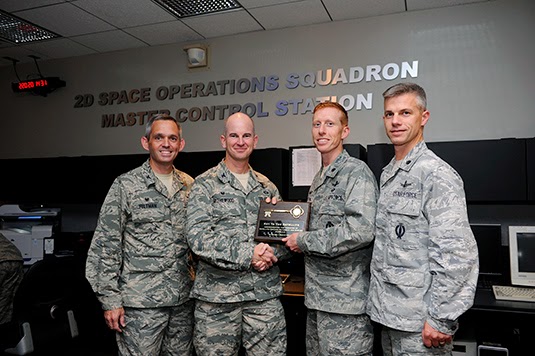 [Image: Transferring control over the GPS constellation. Photo courtesy U.S. Air Force/no photographer given].
 [Image: A “Master of Space” badge from Schriever Air Force Base].
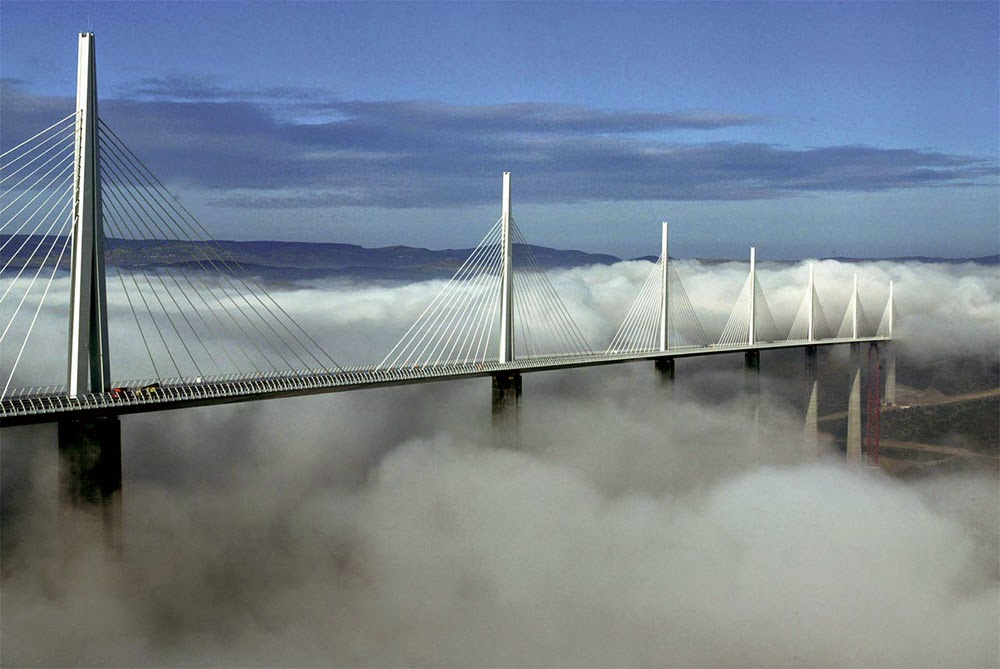 [Image: The Millau Viaduct, courtesy of
 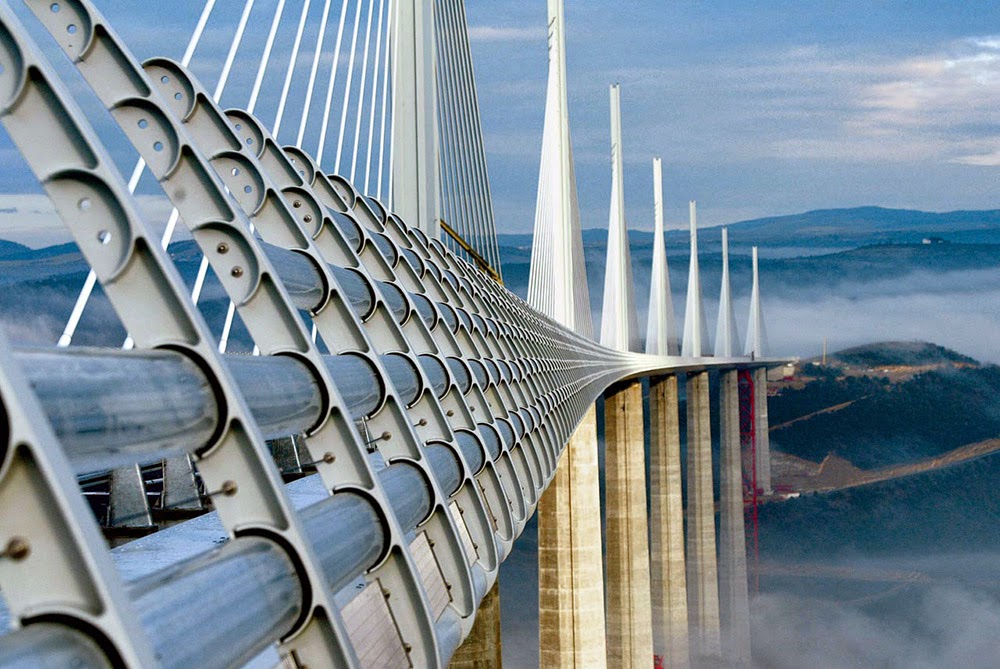 [Image: The Millau Viaduct, courtesy of