Procedural Brutalism

[Image: Procedural Brutalism by Cedric].

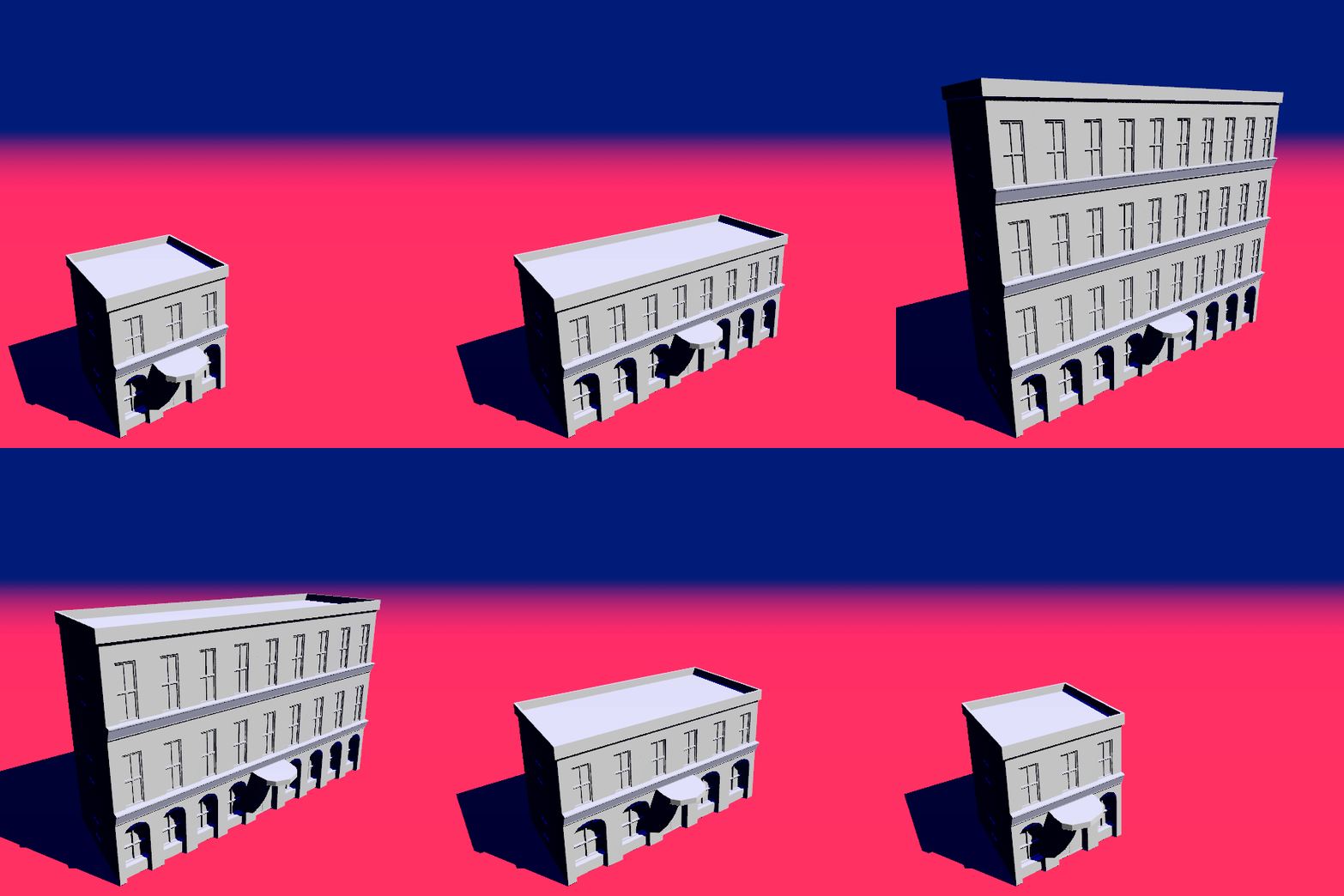
Here are a few GIFs of procedurally generated architecture by a game developer named Cedric, built using Unity. Cedric describes himself as an “indie game dev focused on social AI, emergent narrative and procedural worlds.”

[Image: Procedural Croydon by Cedric].

These were pointed out to me by Jim Rossignol, who has both guest-posted and spoken at length here on BLDGBLOG about procedural architecture, and whose own development company, Big Robot, is behind the awesome “British Landscape Generator” whirring away beneath the rolling hills and cliffsides of Sir, You Are Being Hunted.

[Image: Procedural facades by Cedric].

The GIFs here are relatively big, obviously, so it might take a while for them to load, but then you can just sit back and watch the rule-based production of built structures pop, rise, and expand like urban accordions.

Imagine whole game worlds powered by real-time computation at the building level, constantly and parametrically fizzing with architectural forms, barely predictable new Woolworth Buildings and Barbicans sprouting on-demand from the ground whenever needed.

Cultivating the Map

[Image: “Cultivating the Map” by Danny Wills].

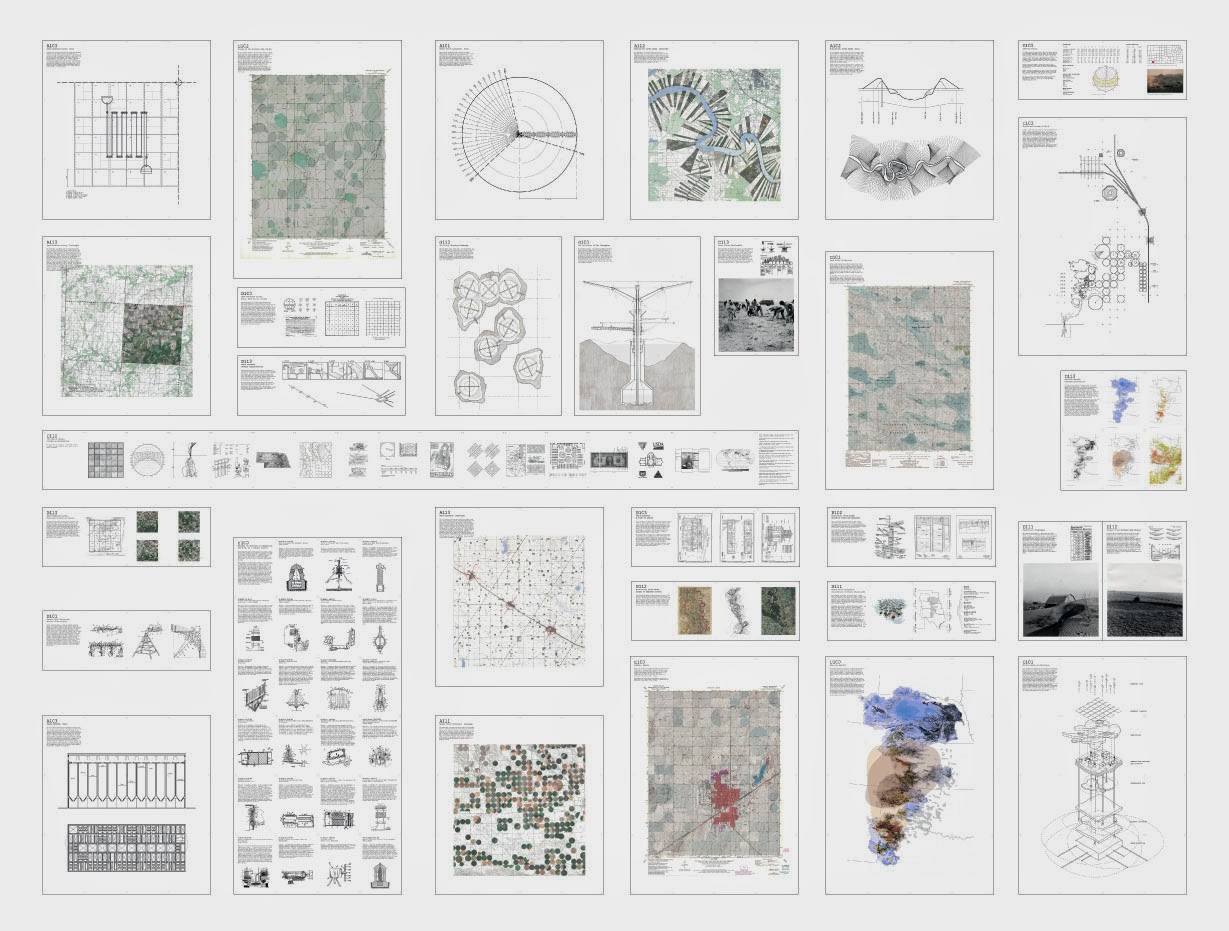
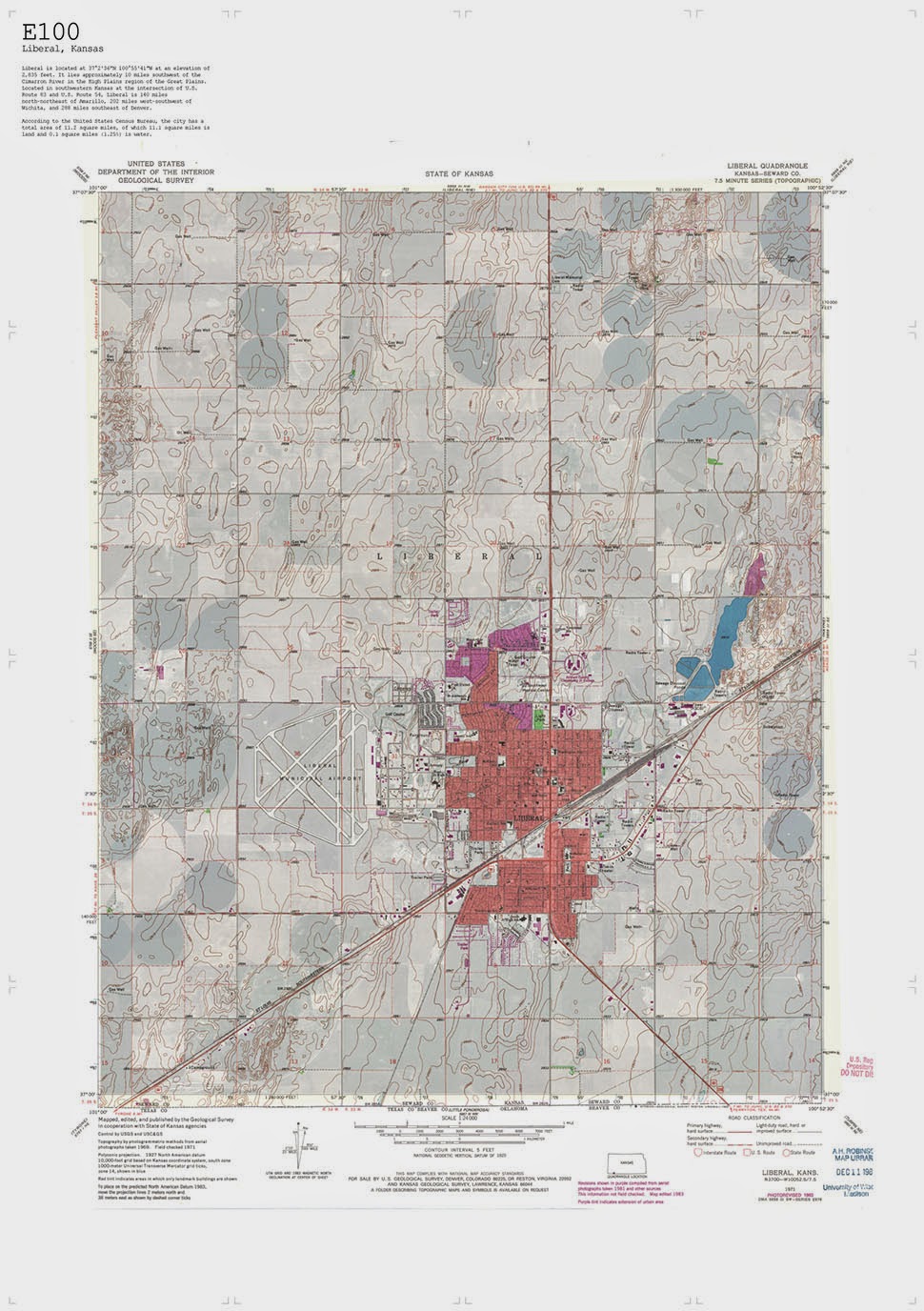
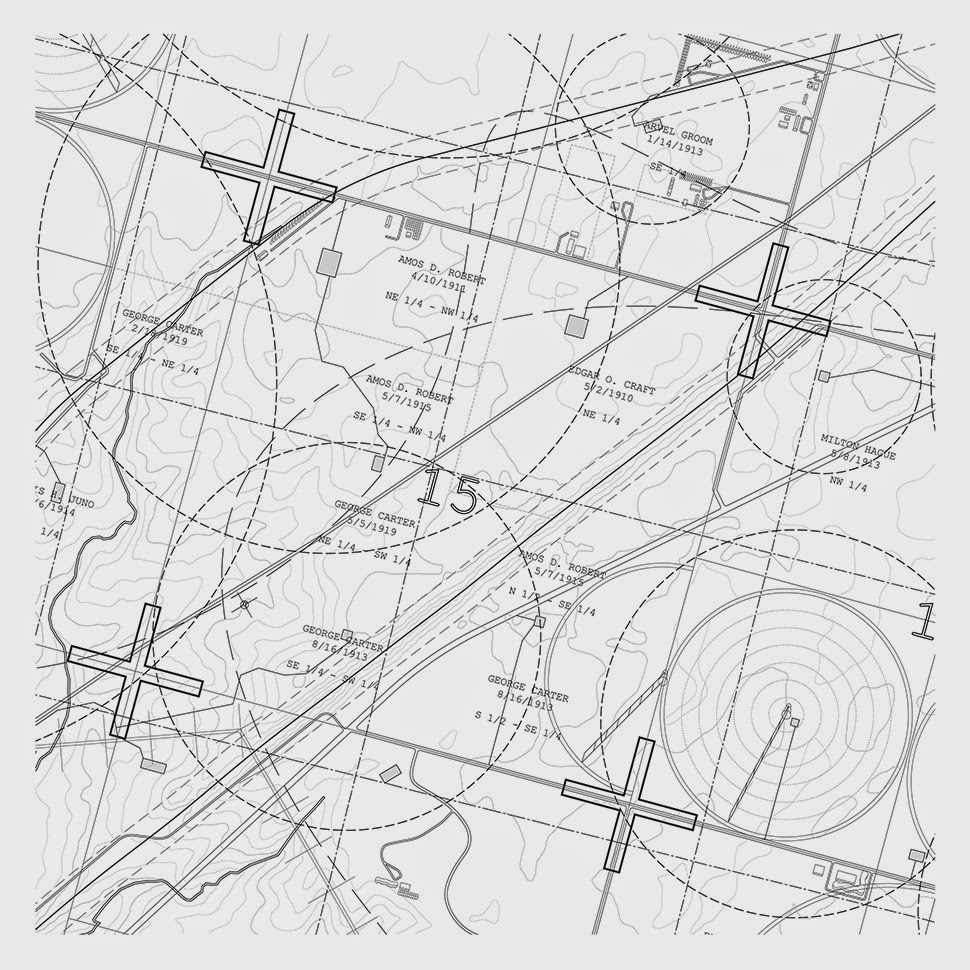
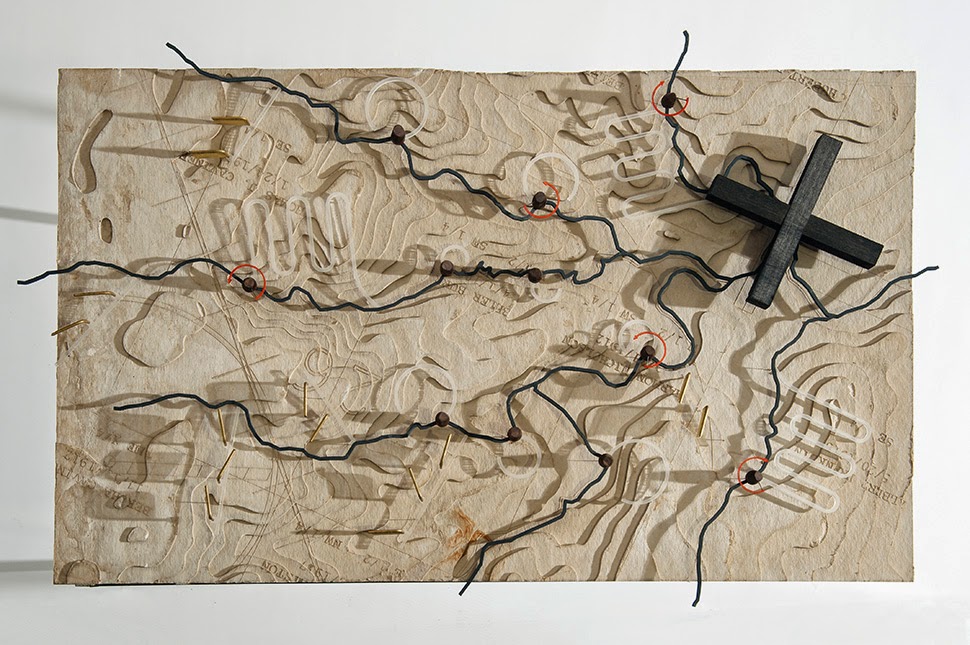
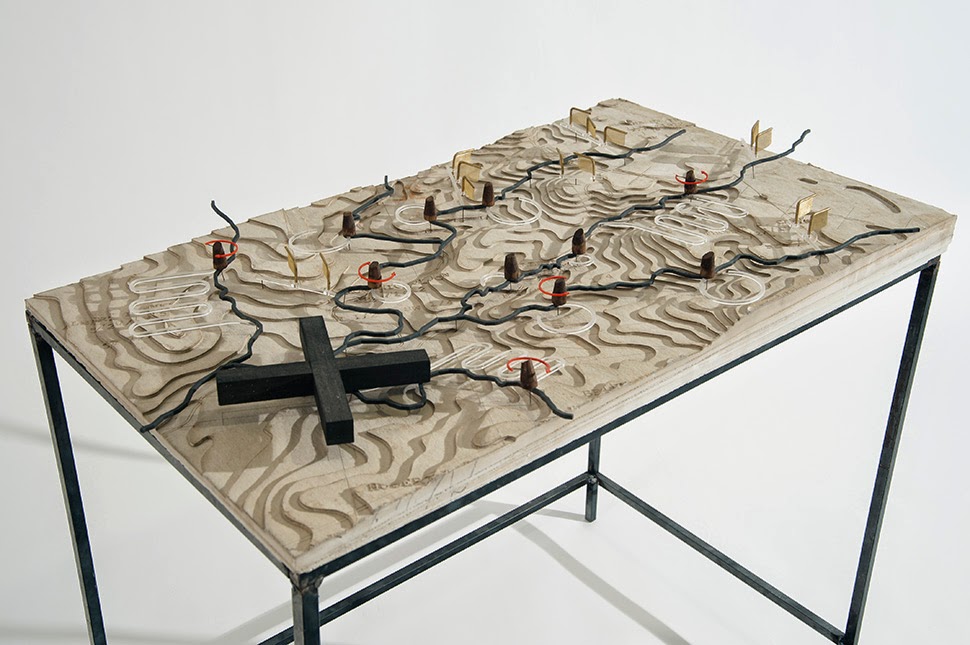
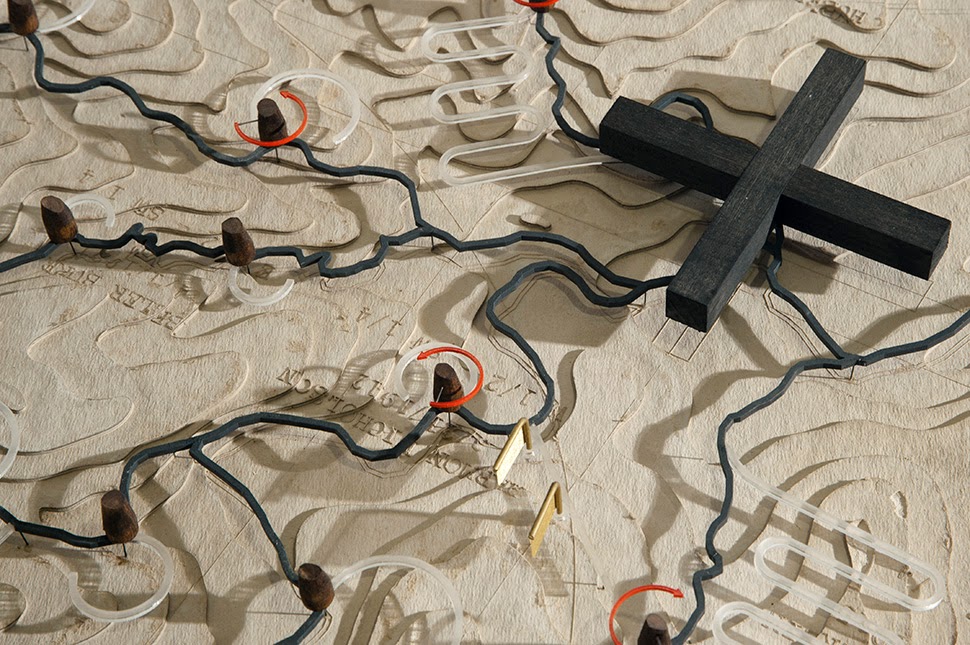
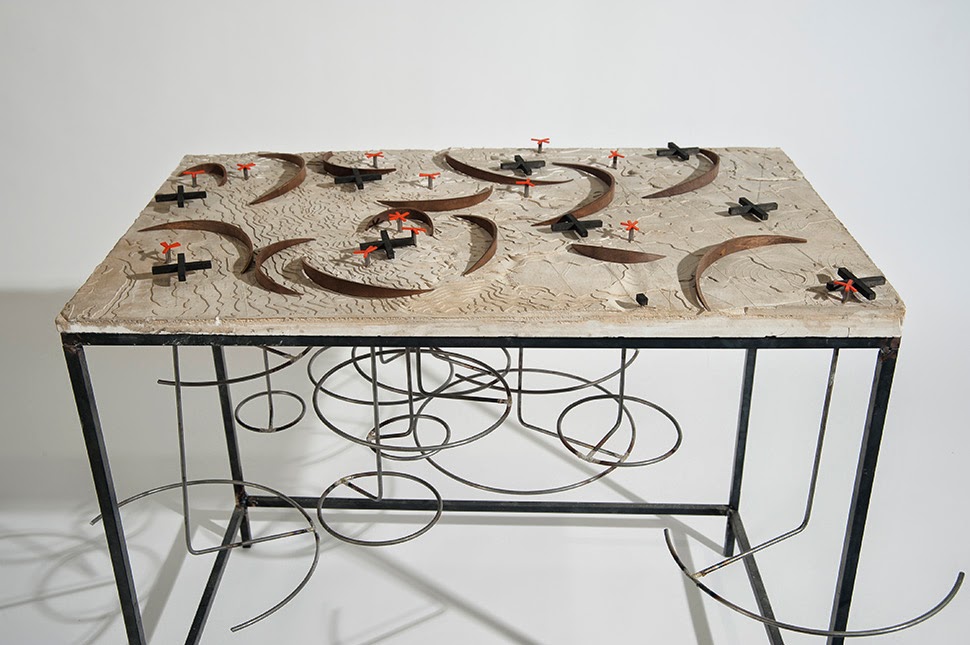
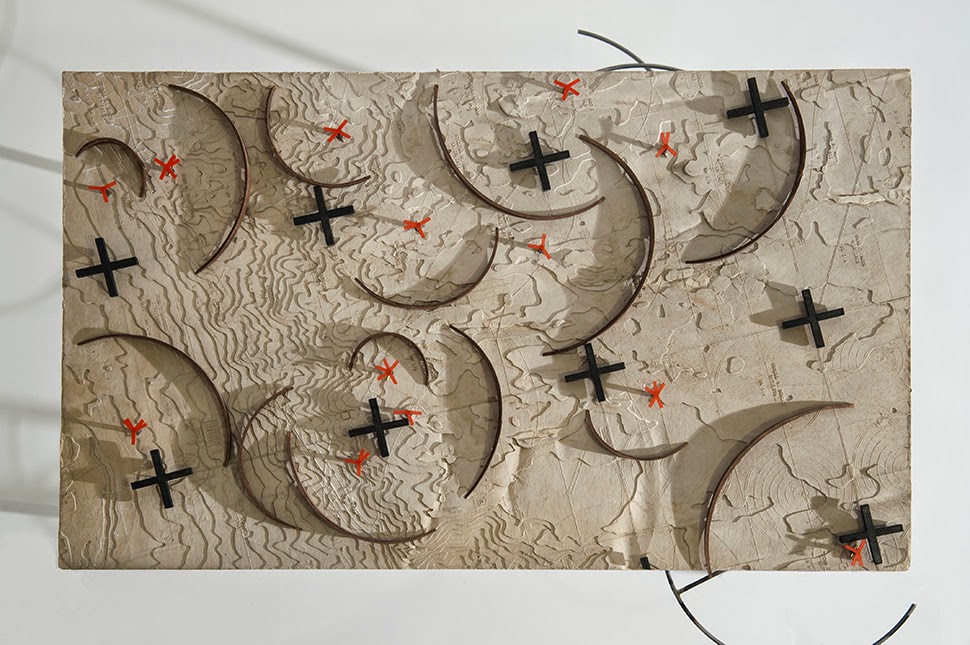
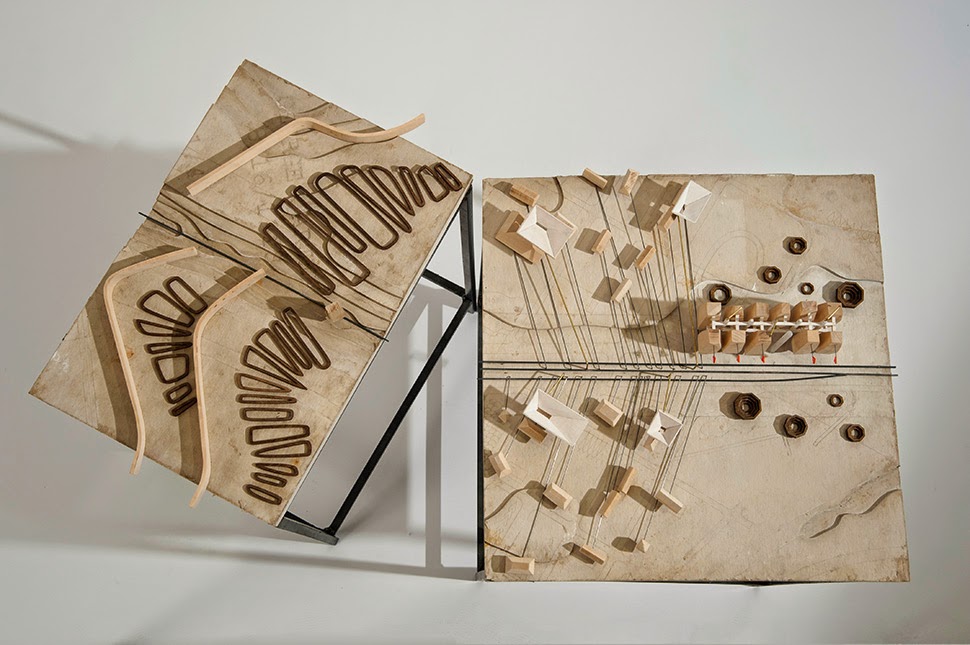
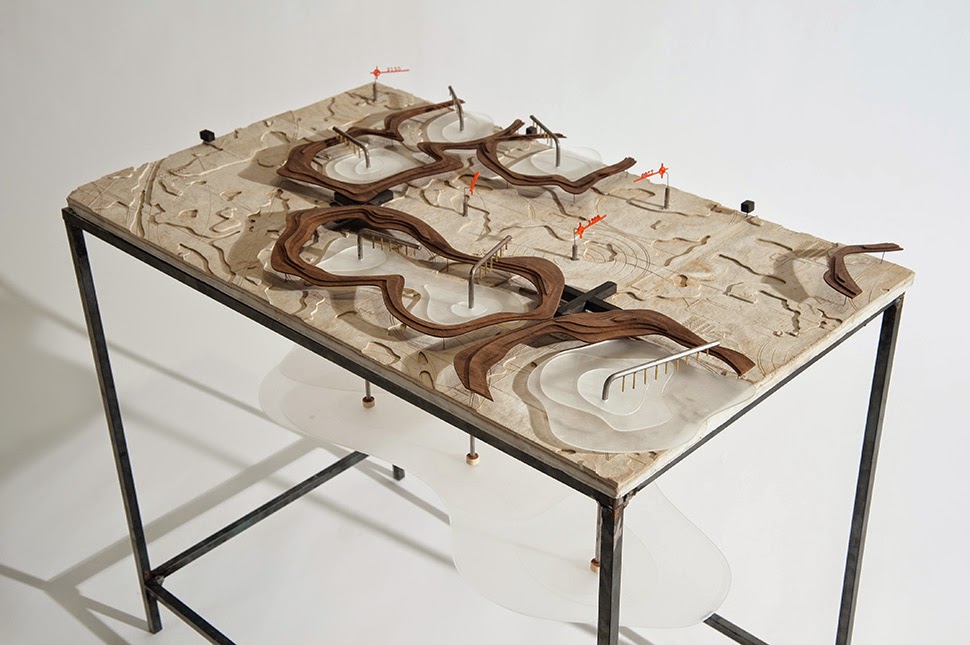
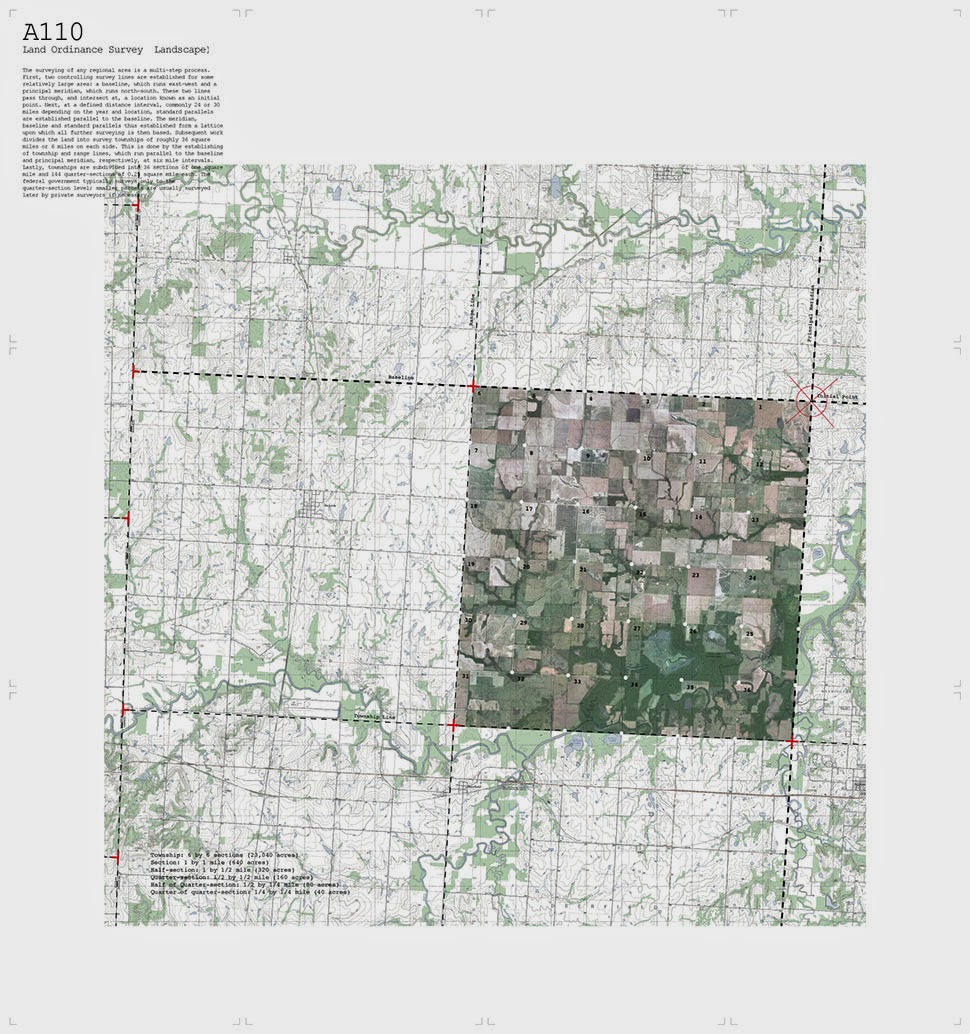
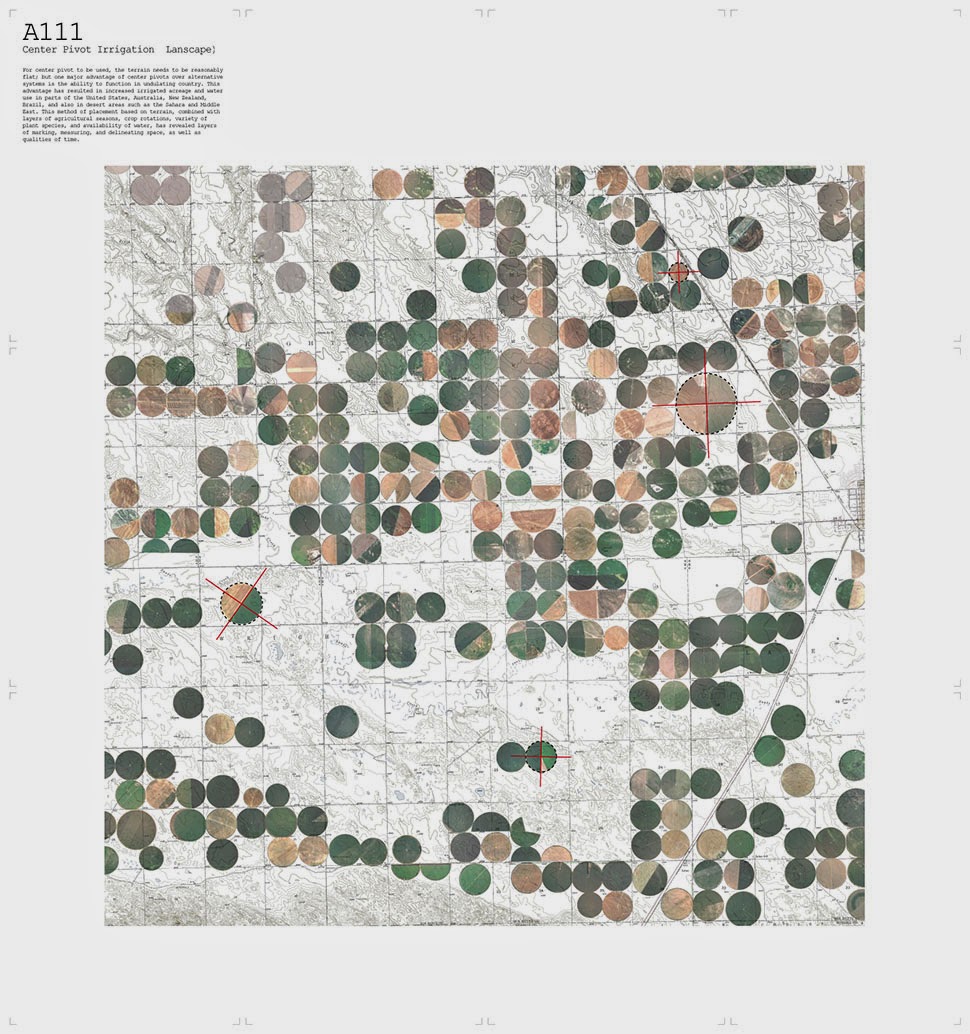
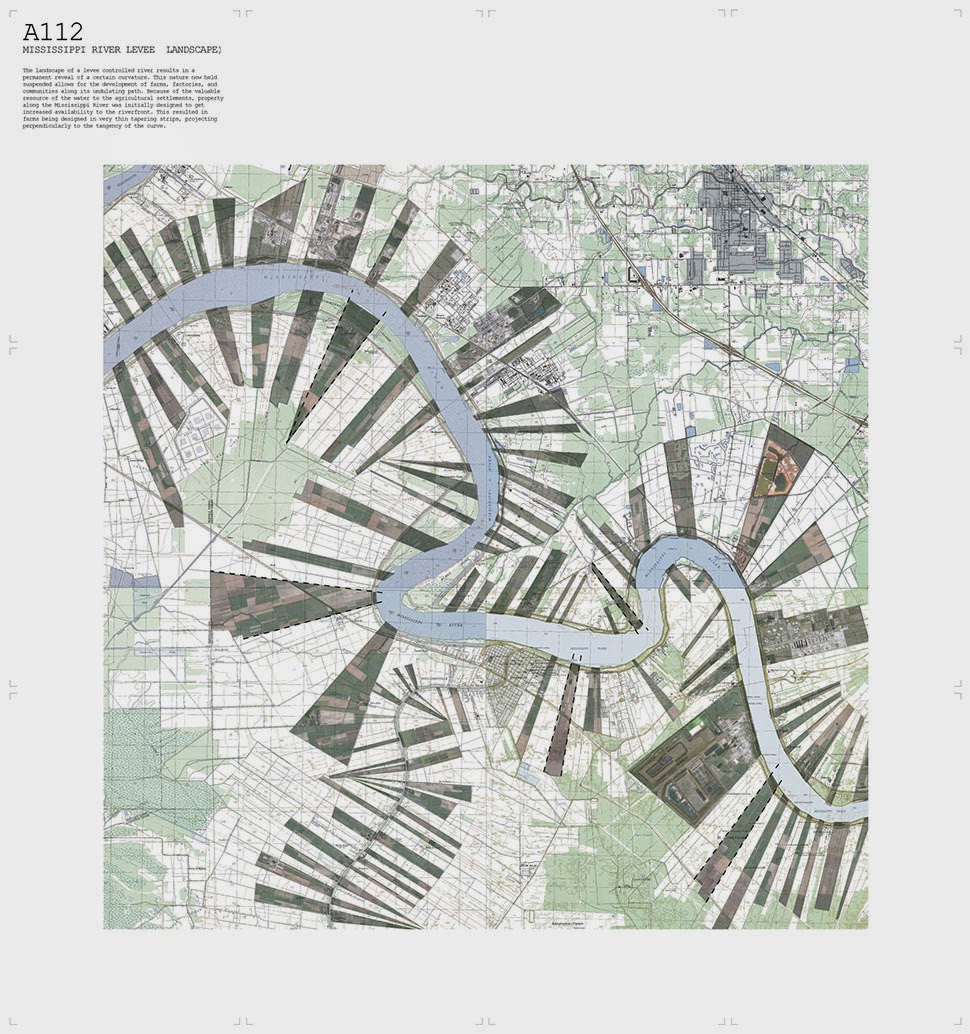
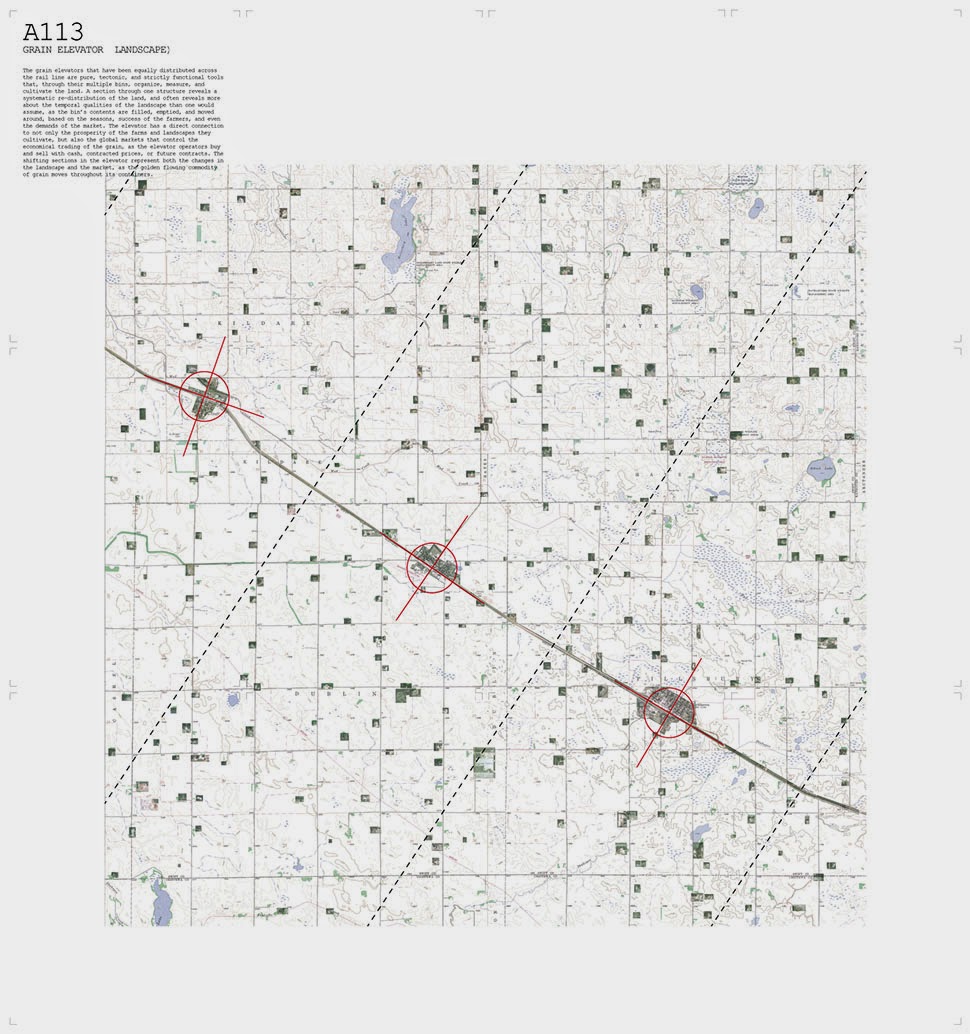
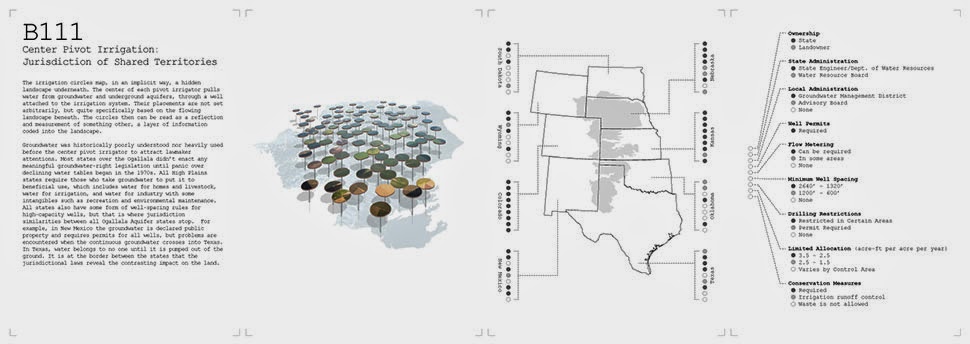
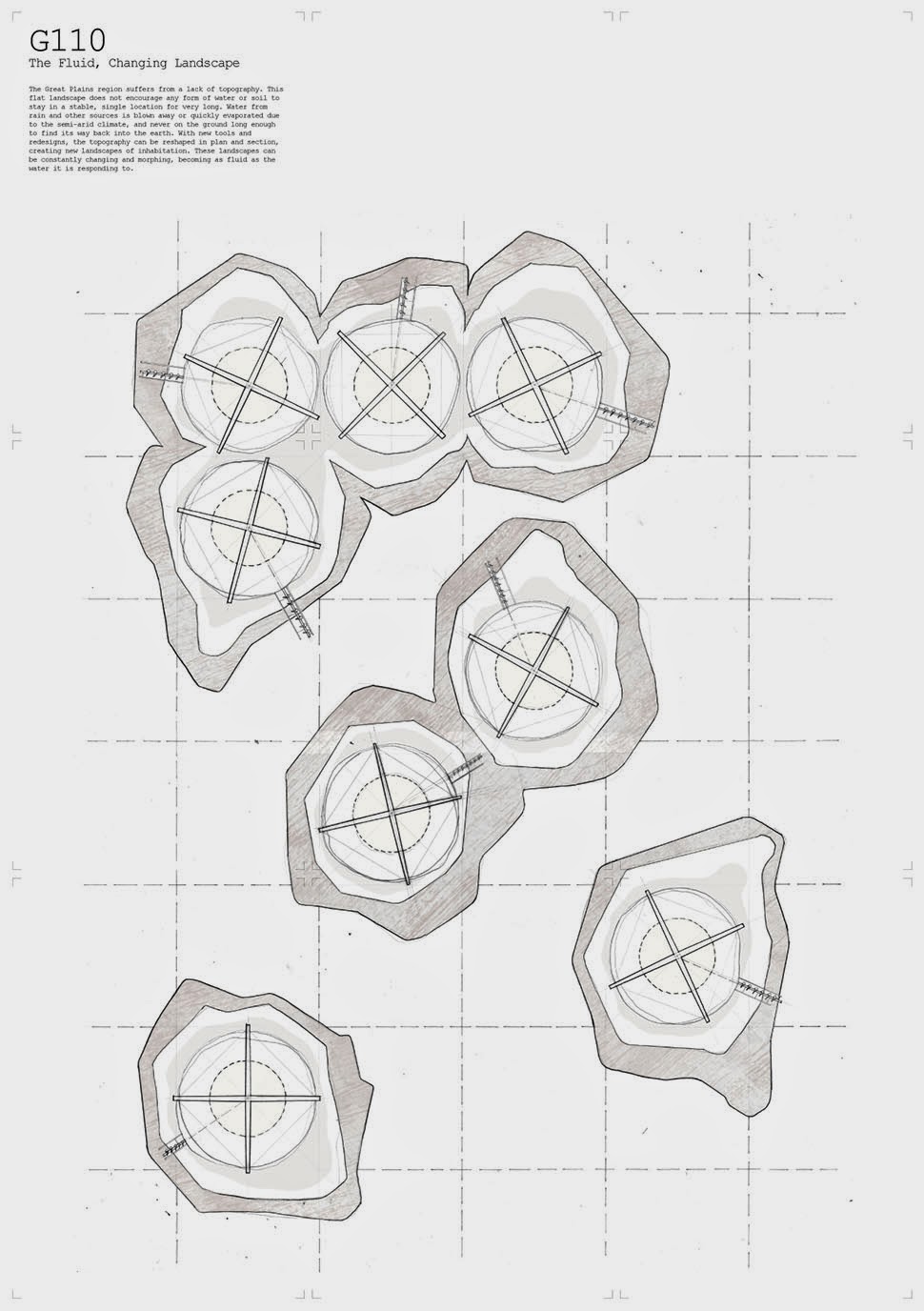
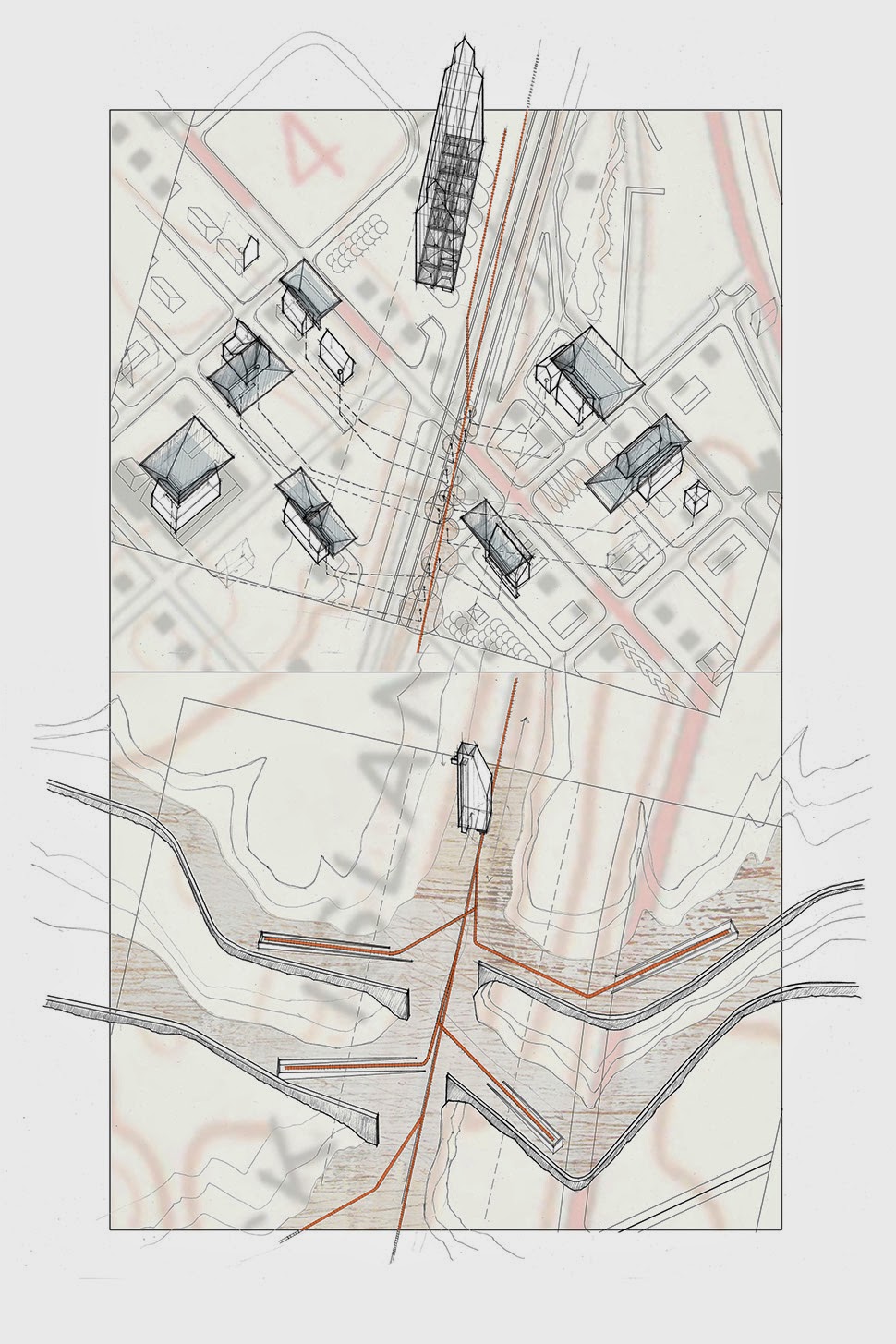
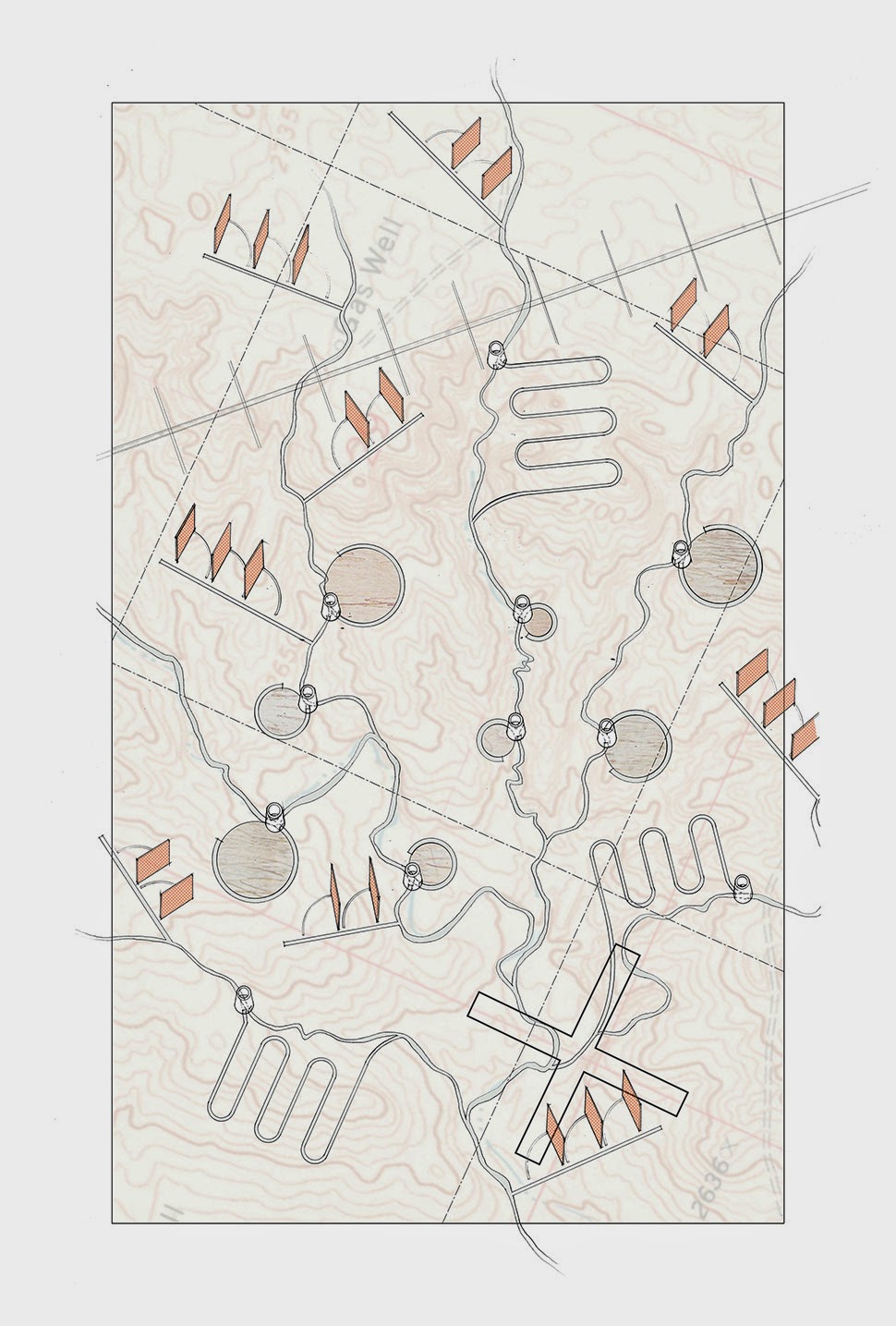
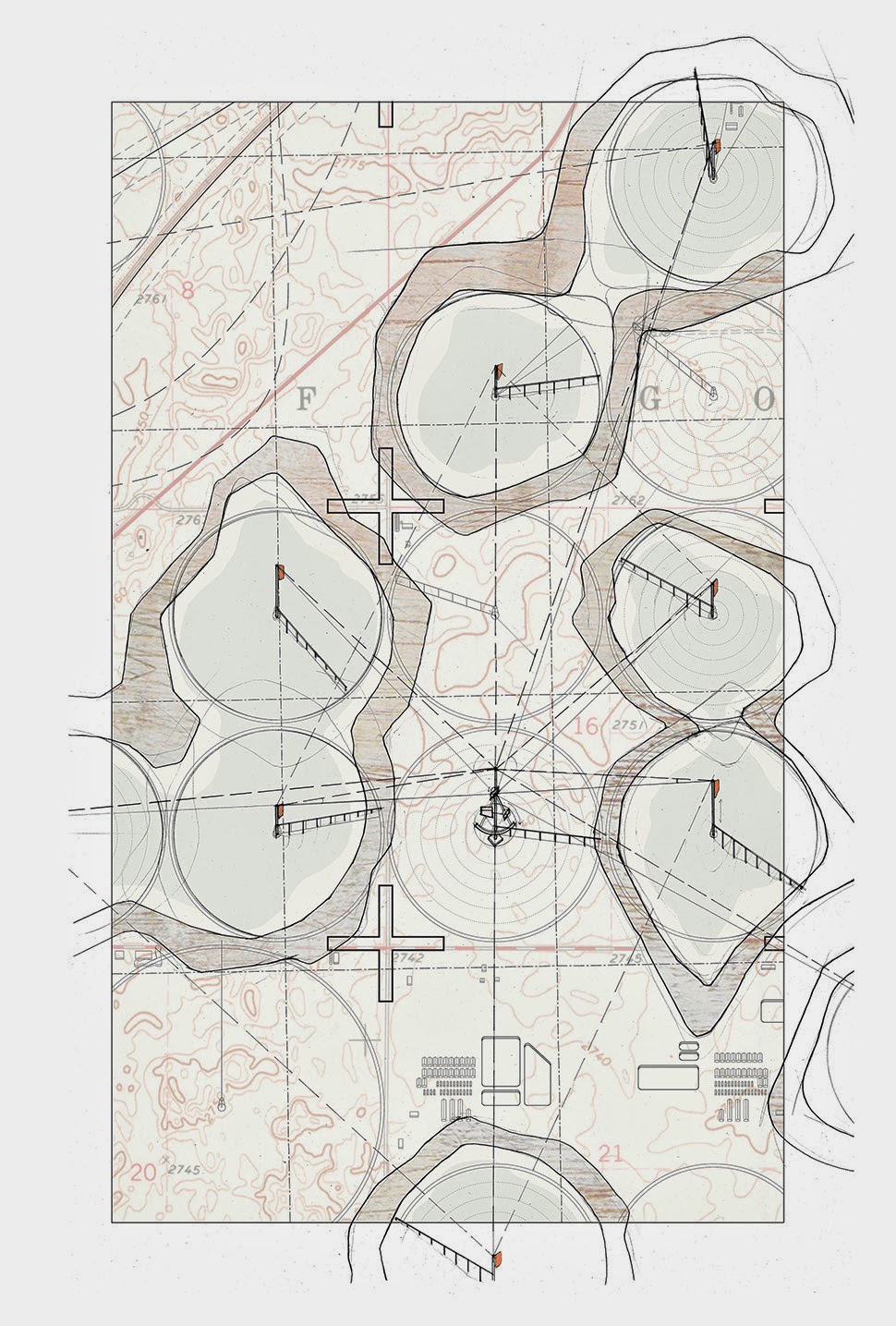
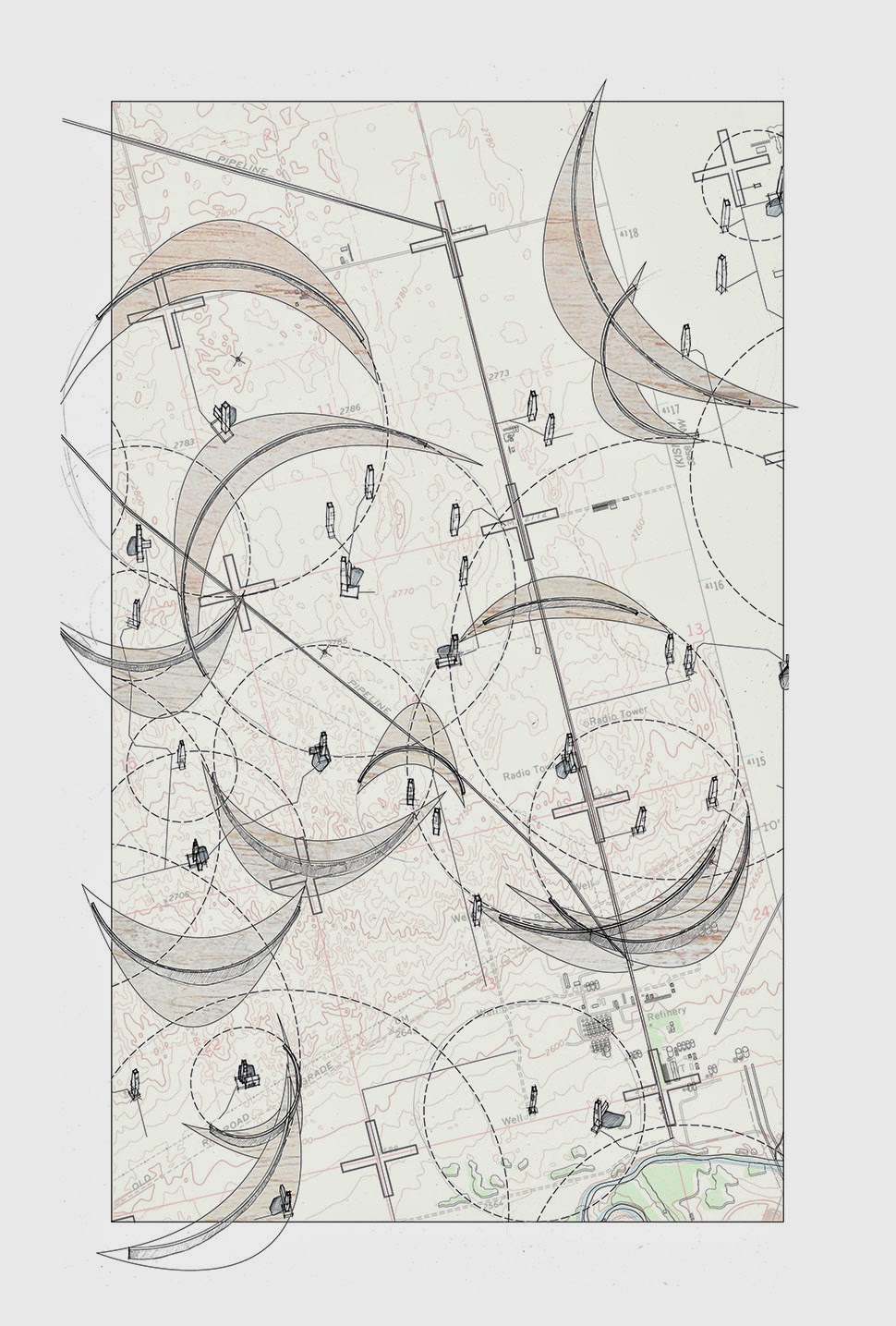
For his final thesis project at the endangered Cooper Union, Danny Wills explored how survey instruments, cartographic tools, and architecture might work together at different scales to transform tracts of land in the geographic center of the United States.

[Images: “Cultivating the Map” by Danny Wills].

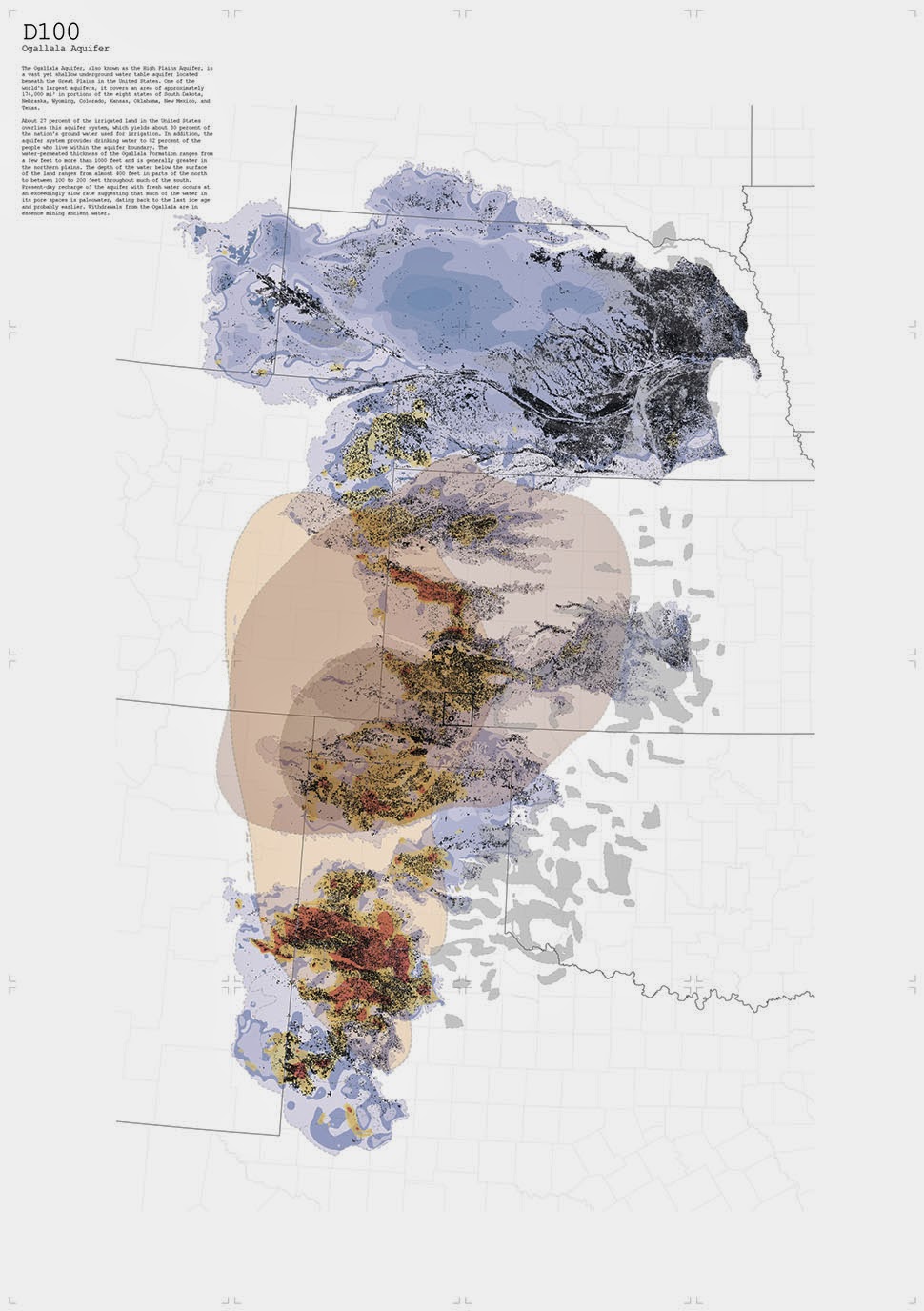
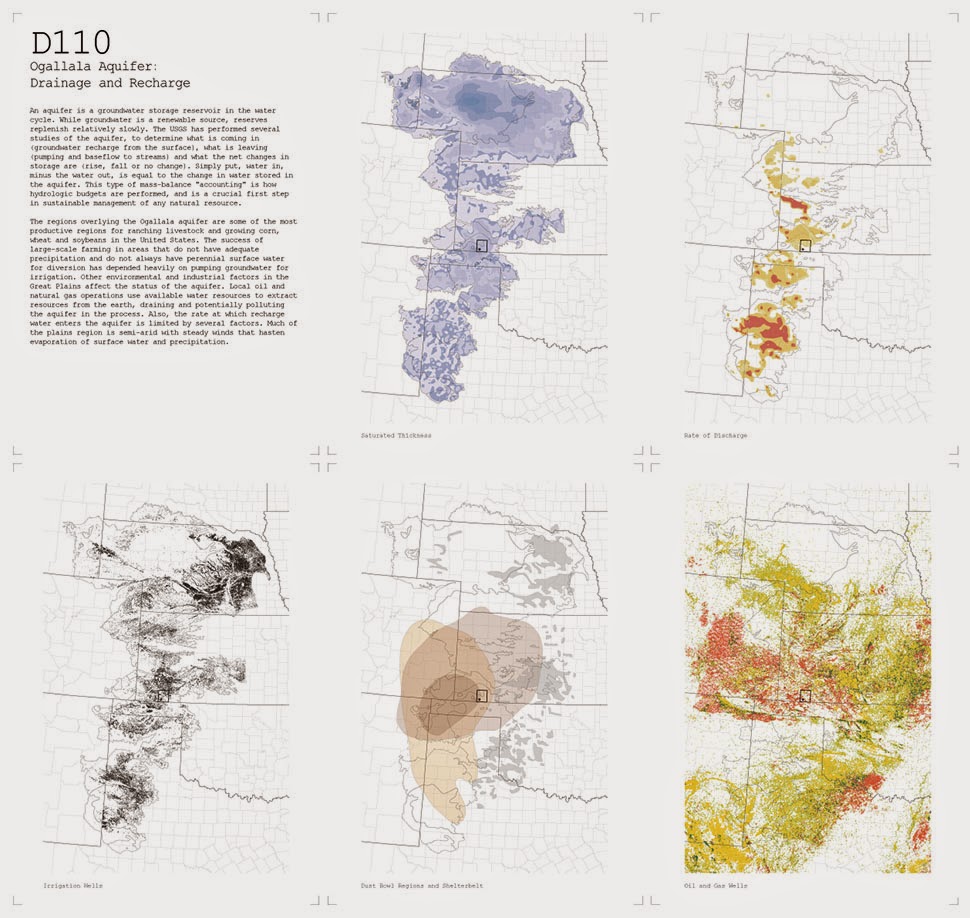
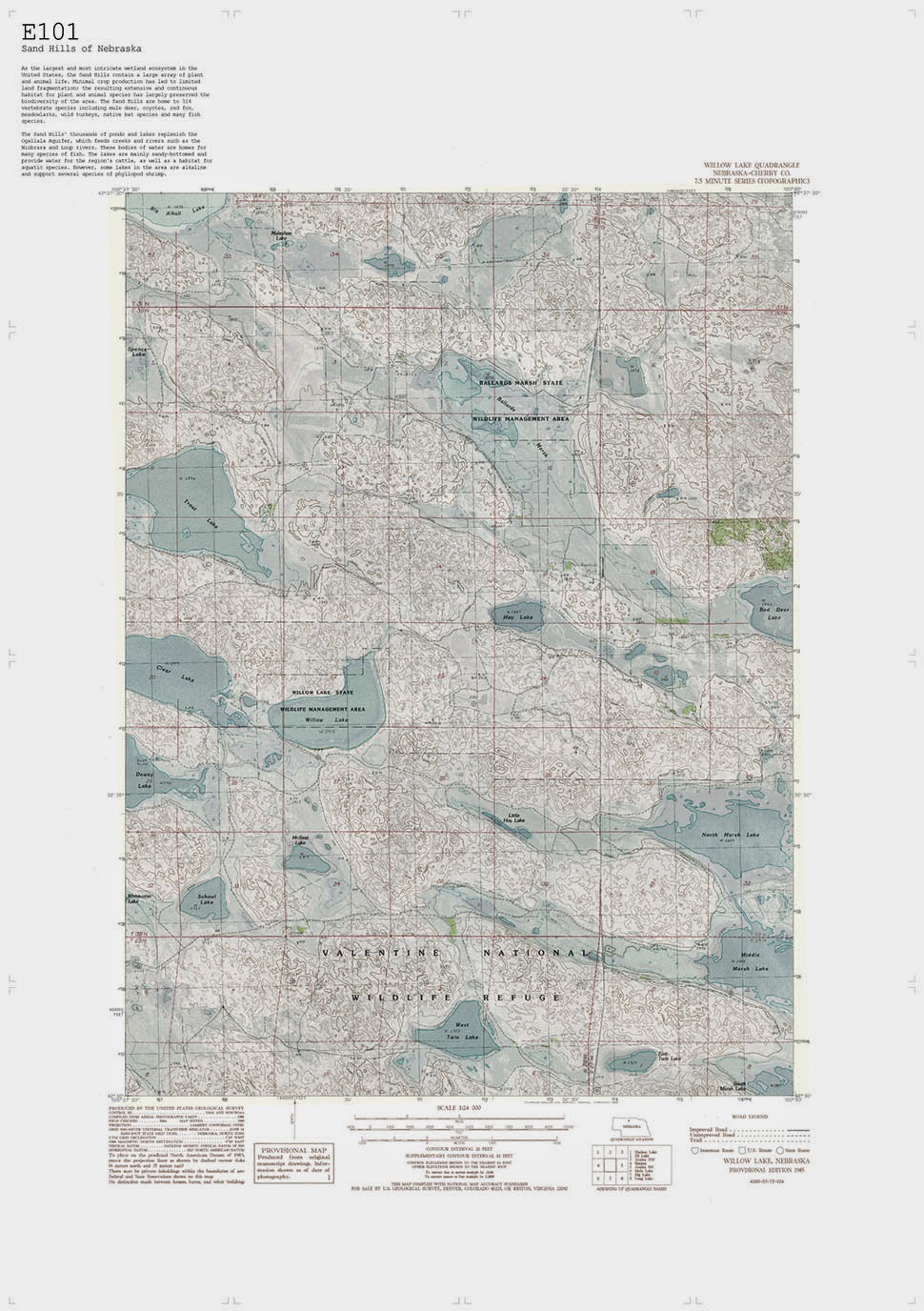
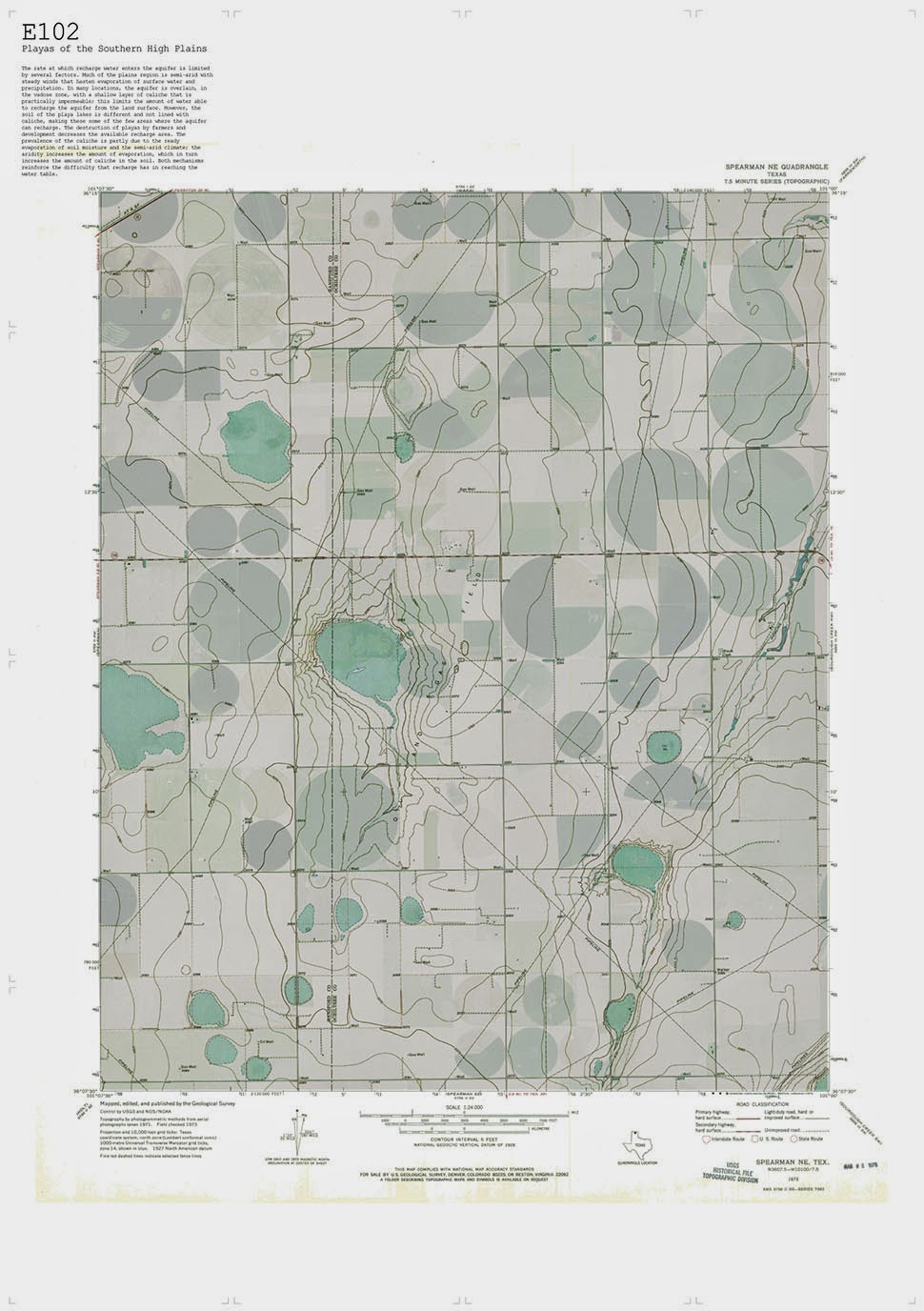
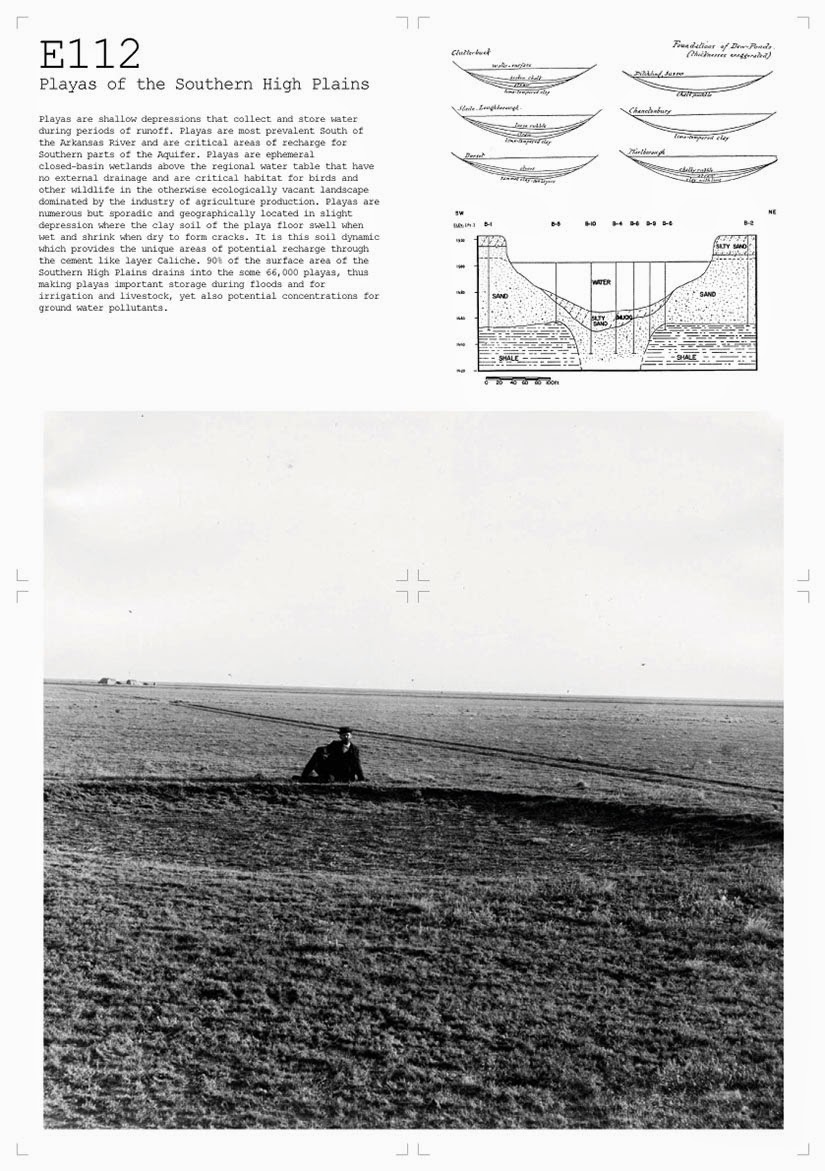
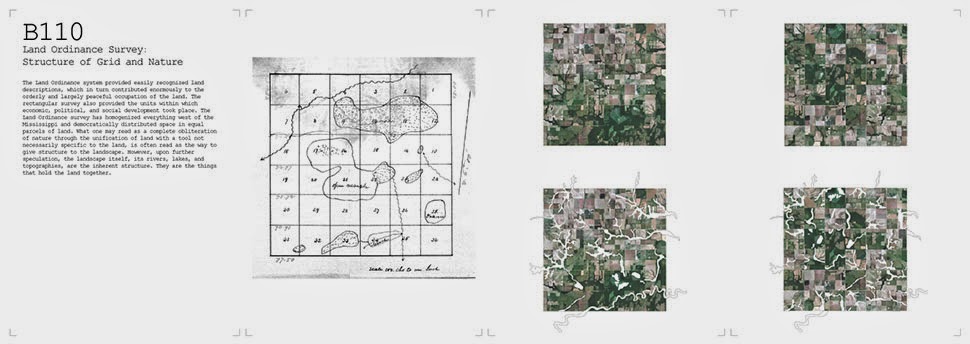
Called “Cultivating the Map,” his project is set in the gridded fields, sand hills, playas, and deep aquifers of the nation’s midland, where agricultural activity has left a variety of influential marks on the region’s landscapes and ecosystems.

[Images: “Cultivating the Map” by Danny Wills].

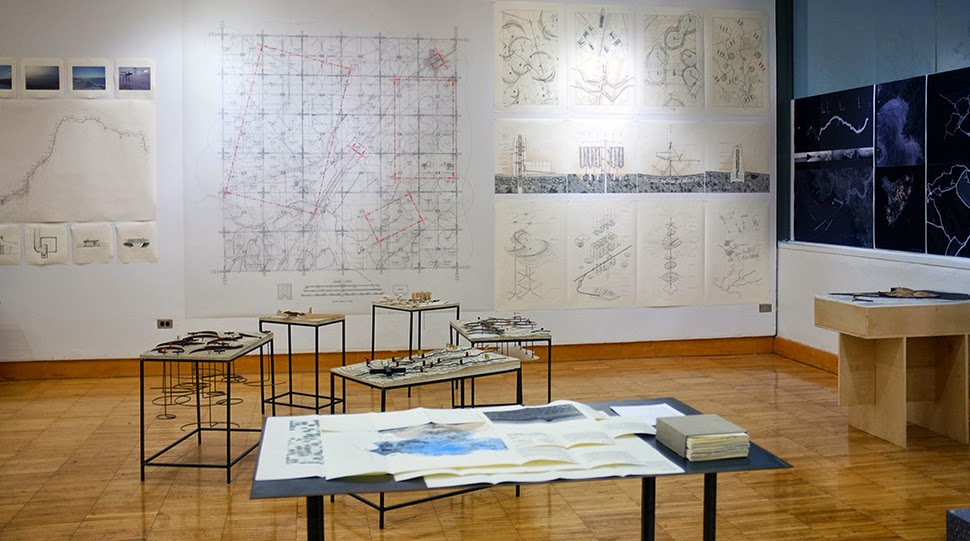
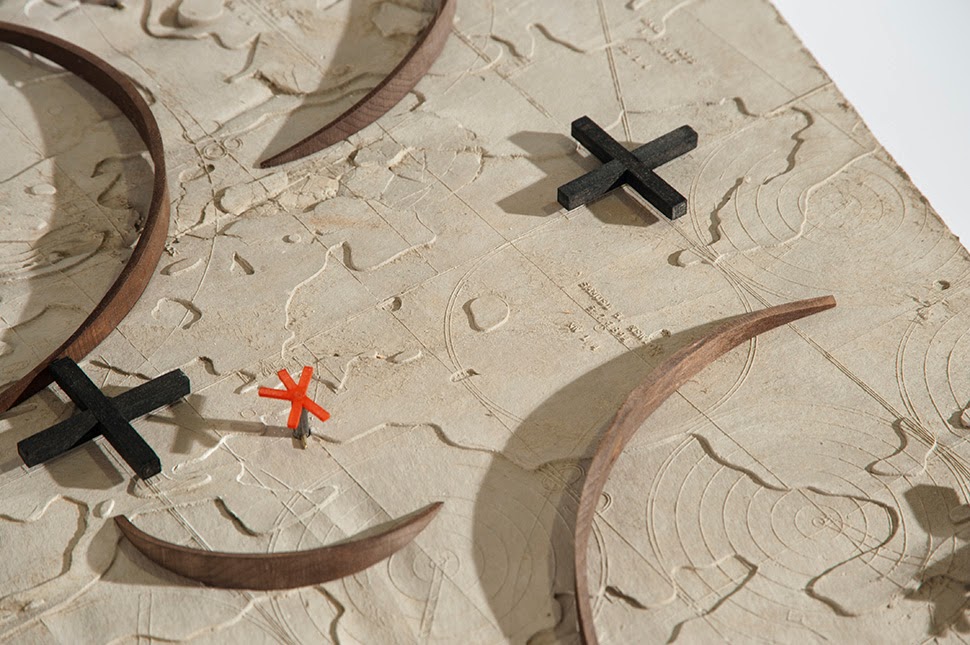
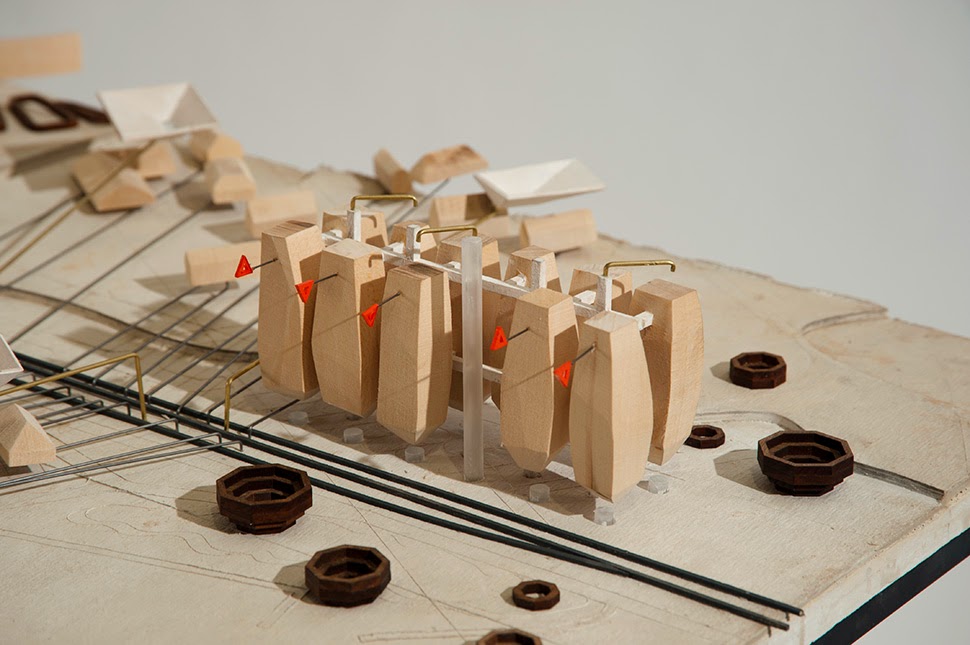
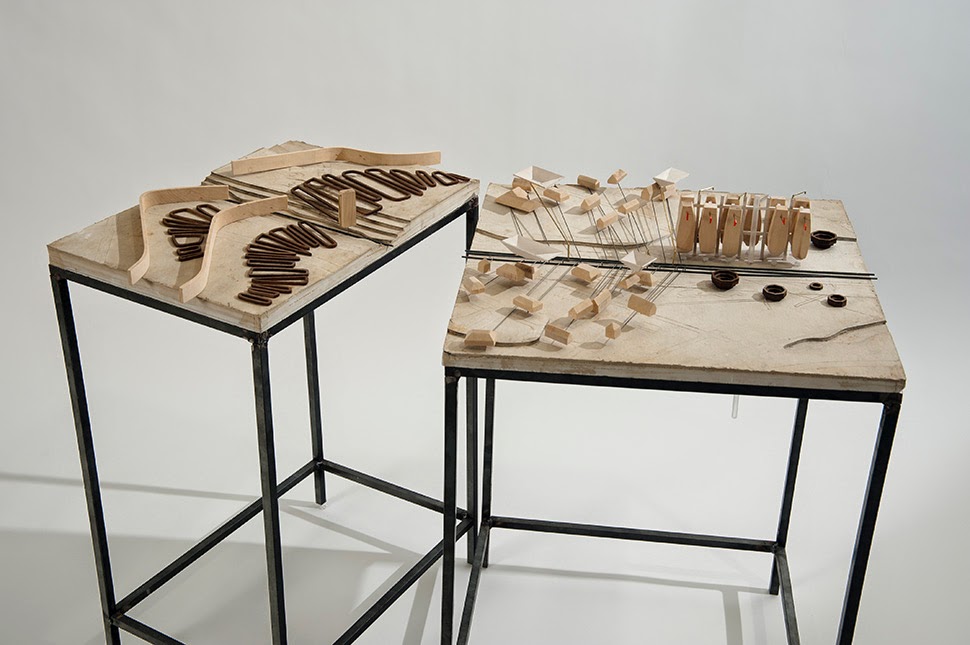
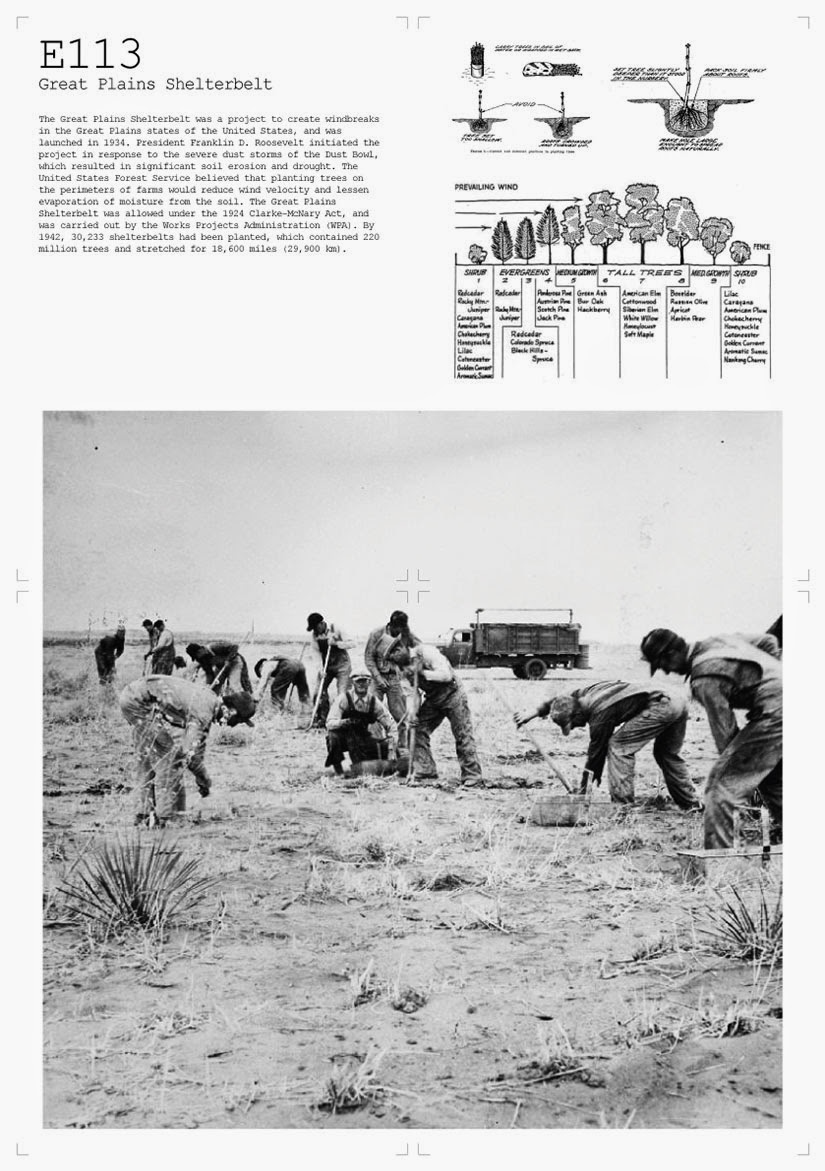
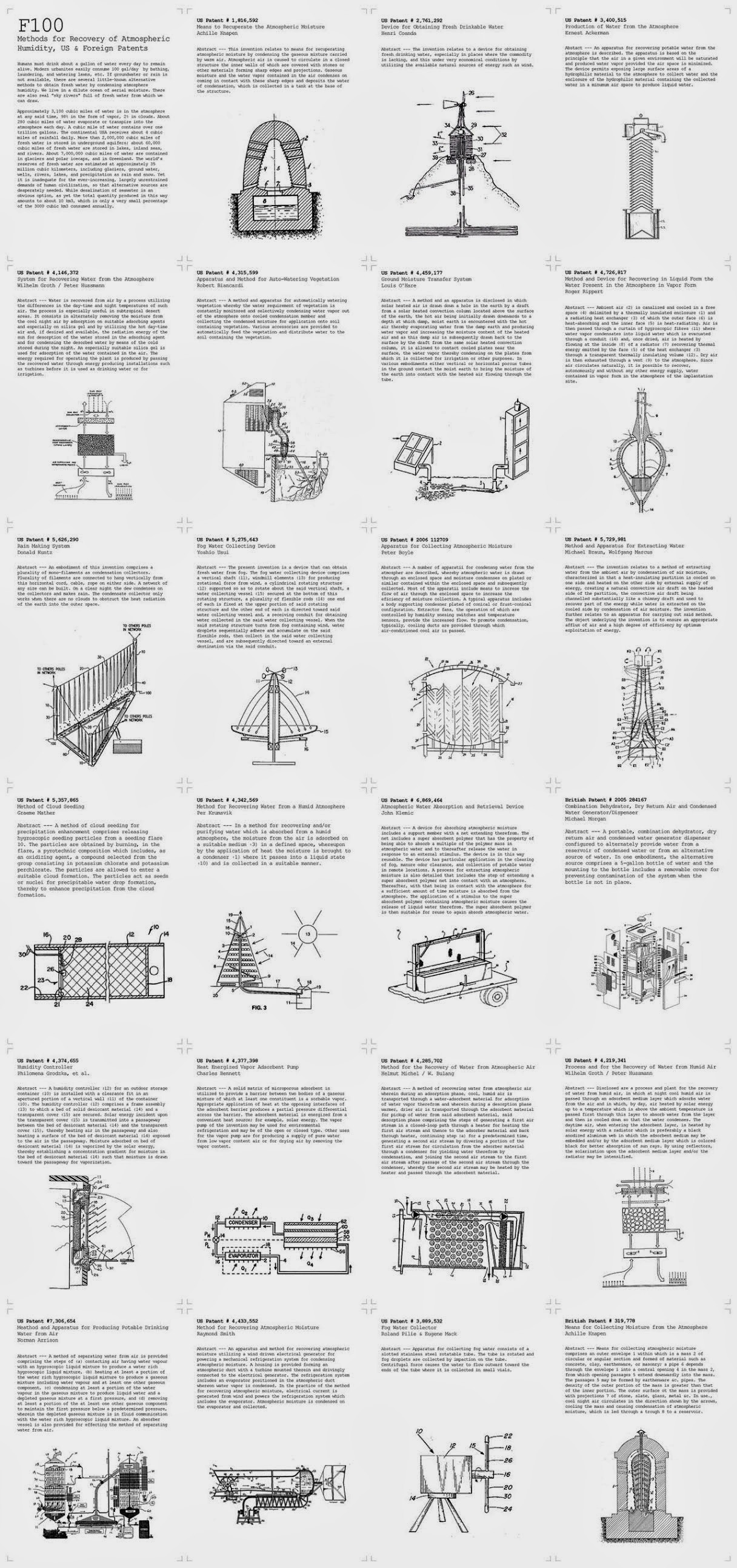
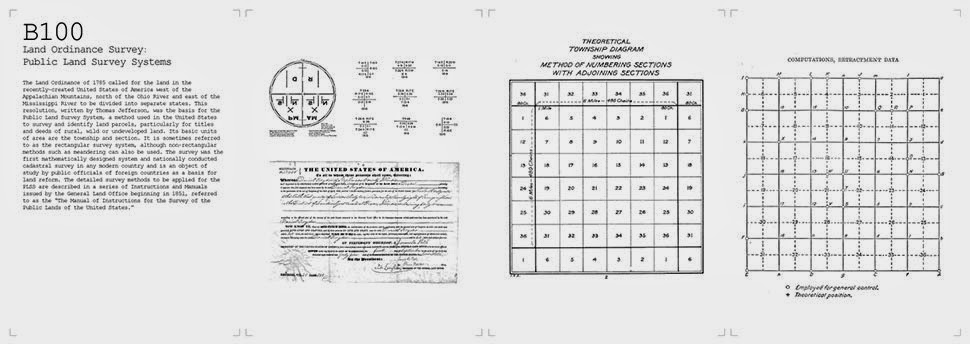
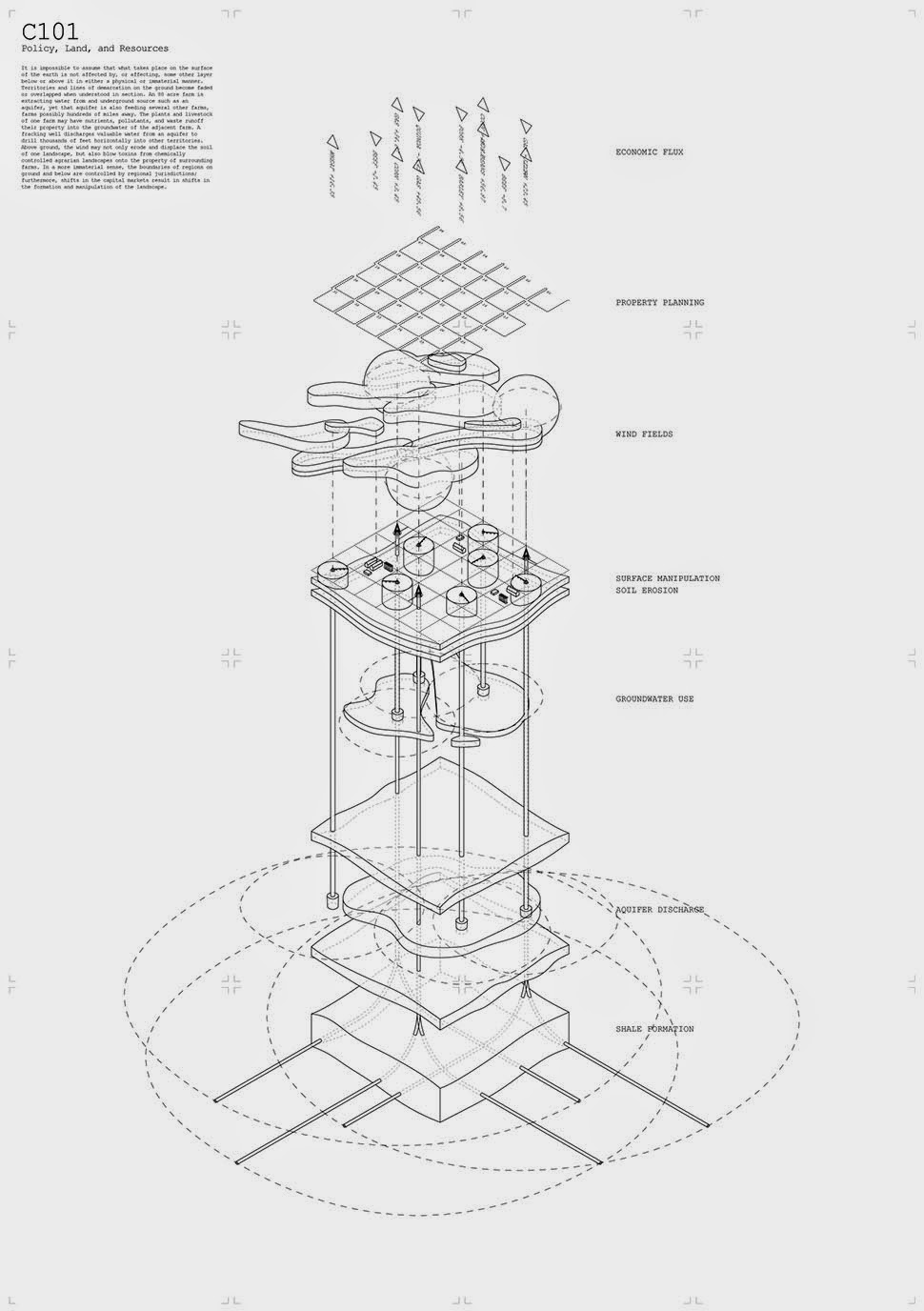
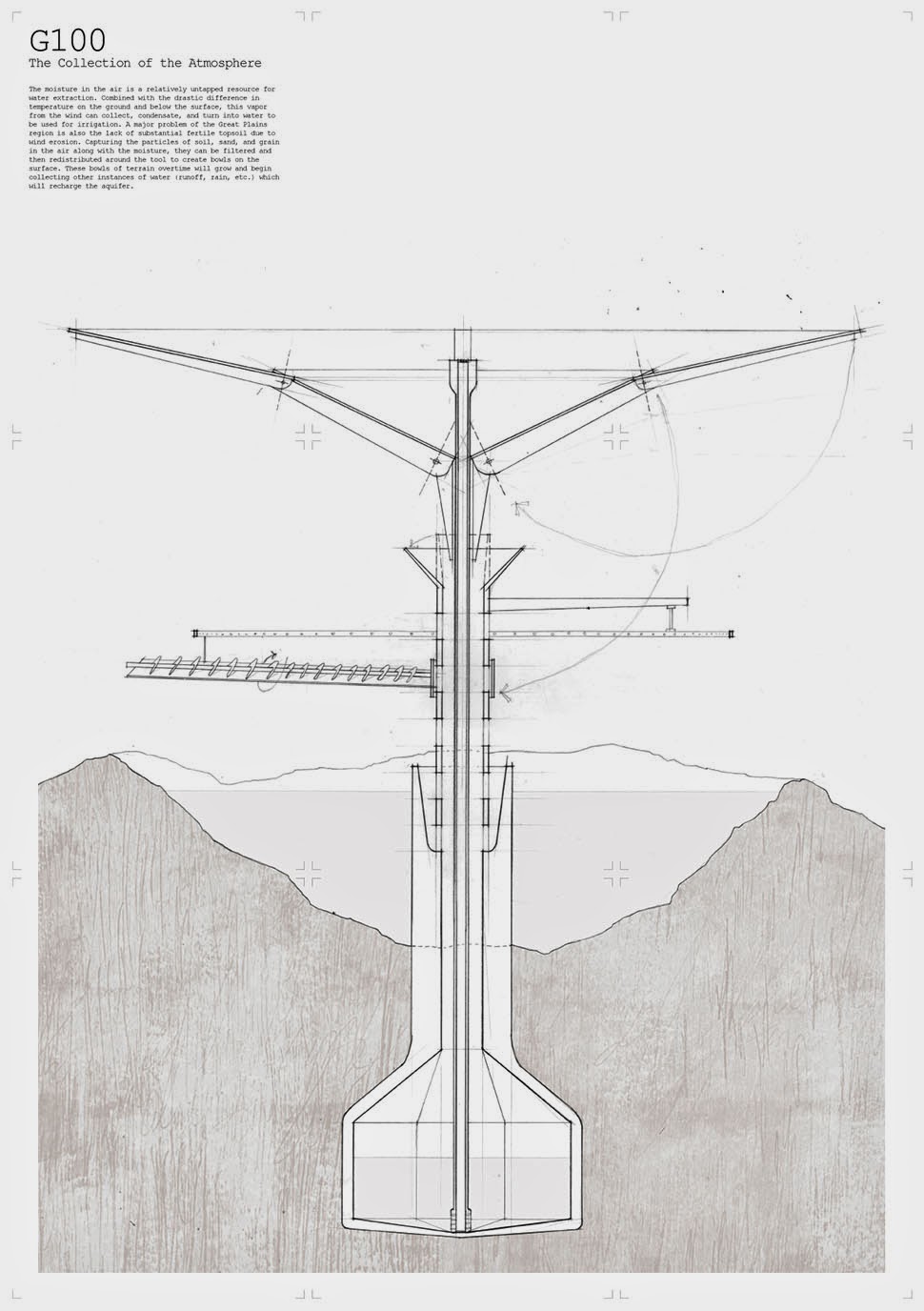
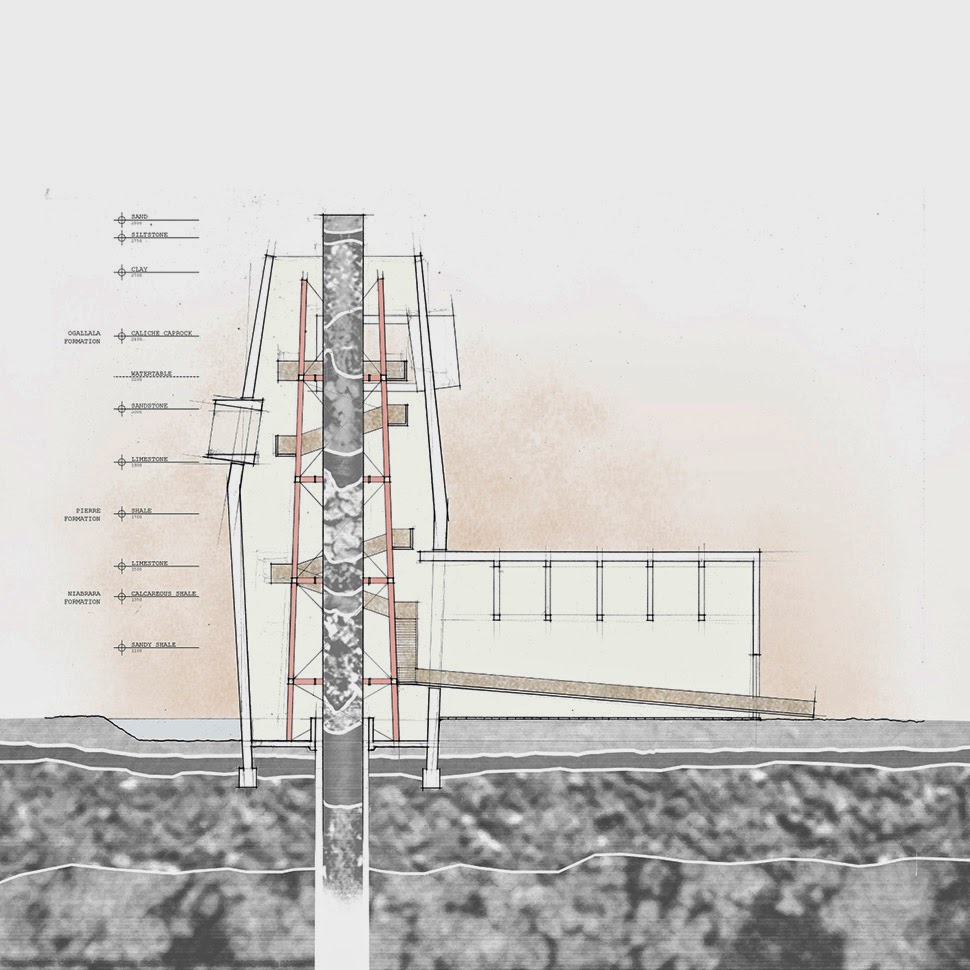
Its final presentation is light on text and heavy on models, maps, and diagrams, yet Wills still manages to communicate the complex spatial effects of very basic physical tools, how things as basic as survey grids and irrigation equipment can bring whole new regimes of territorial management into existence.

It’s as if agriculture is actually a huge mathematical empire in the middle of the country—a rigorously artificial world of furrows, grids, and seasons—dedicated to reorganizing the surface of the planet by way of relatively simple handheld tools and then rigorously perfecting the other-worldly results.

[Images: “Cultivating the Map” by Danny Wills].

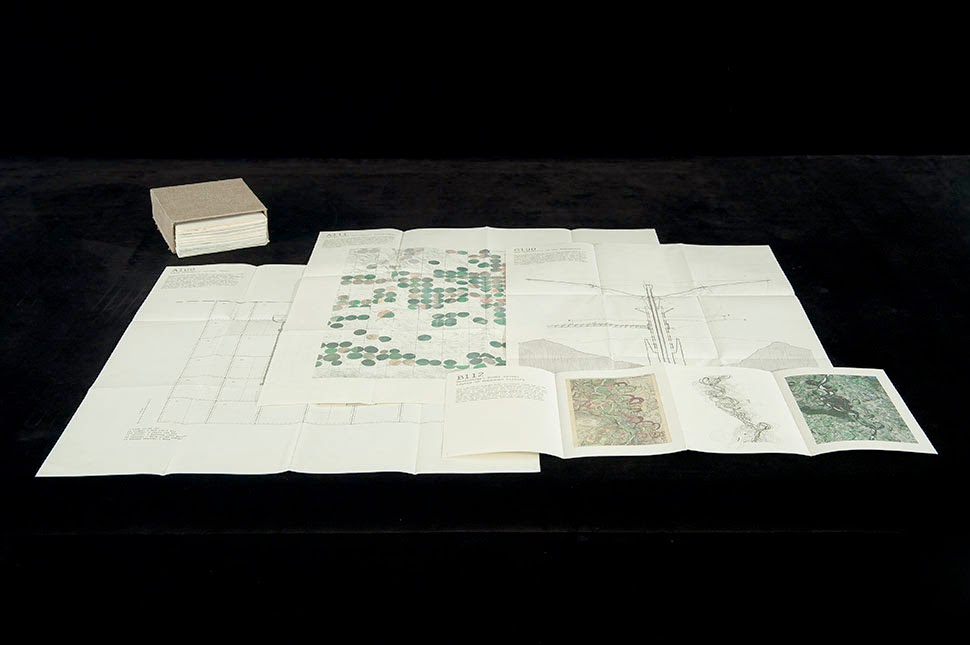
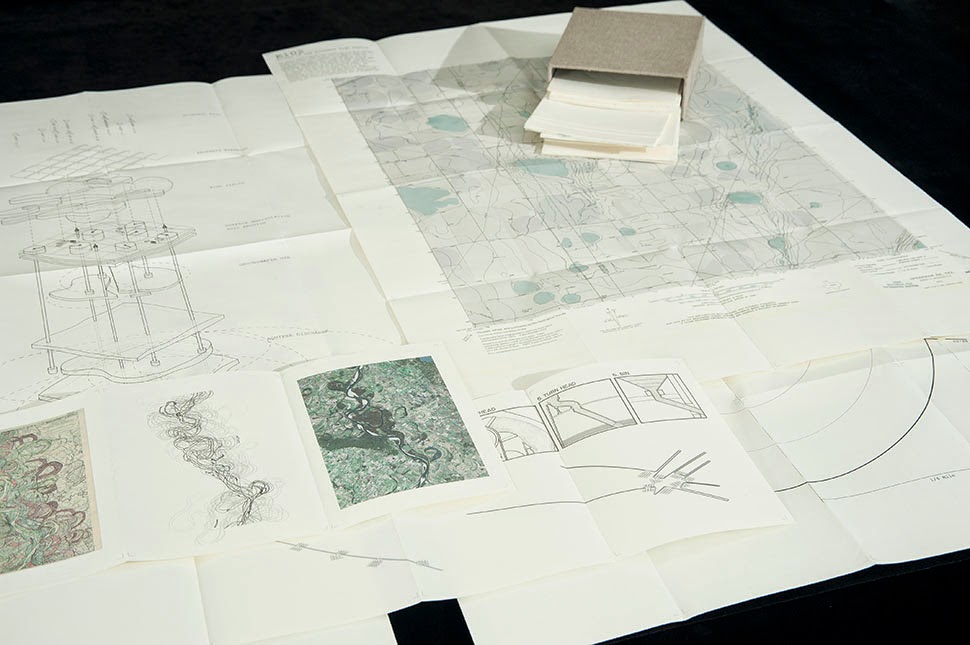
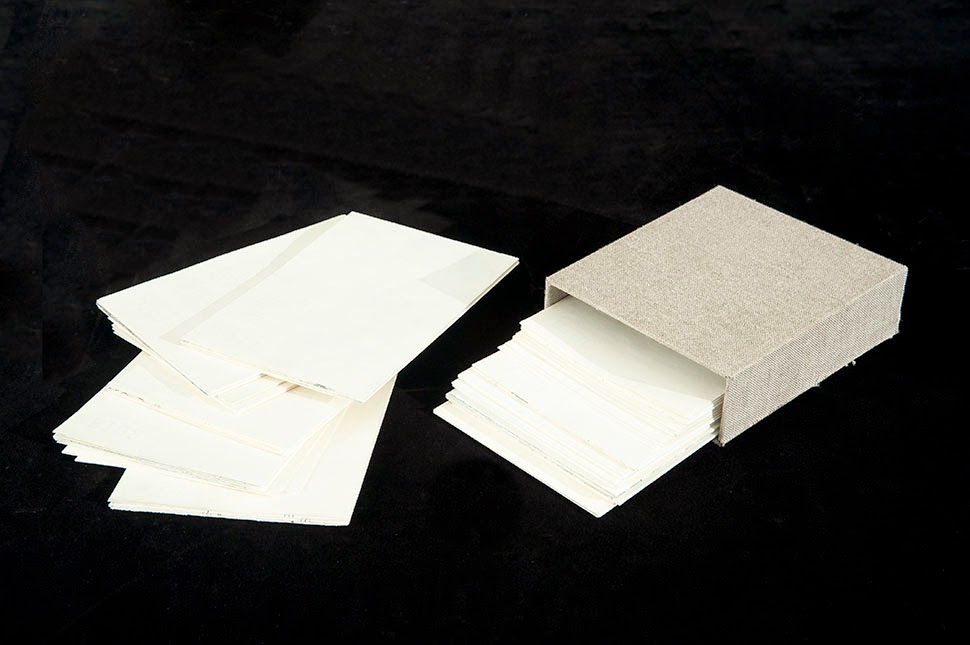
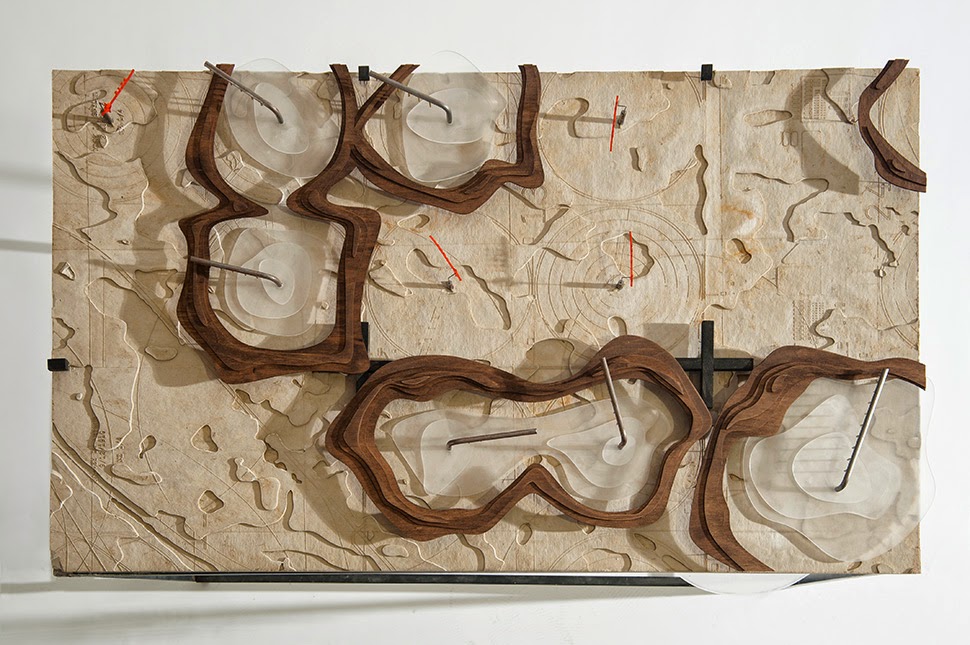
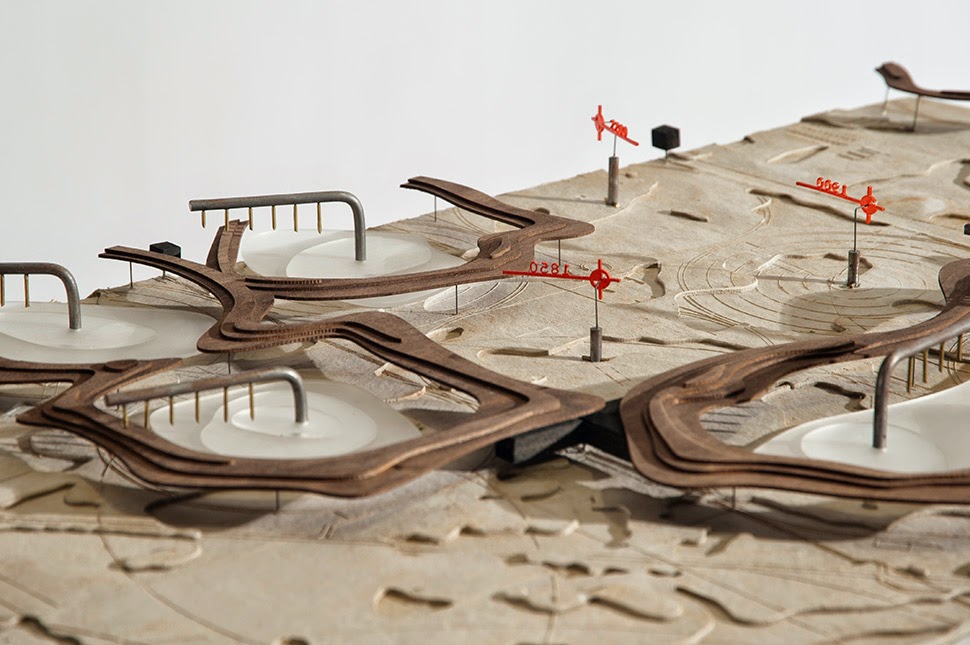
Wills produced quite a lot of material for the project, including a cluster of table-sized landscapes that show these tools and instruments as they might be seen in the field.

[Image: “Cultivating the Map” by Danny Wills].

In many ways, parts of the project bring to mind the work of Smout Allen, who also conceive of architecture as just one intermediary spatial product on a scale that goes from the most intricate of handheld mechanisms to super-sized blocks of pure infrastructure.

Imagine Augmented Landscapes transported to the Great Plains and animated by a subtext of hydrological surveying and experimental agriculture. Deep and invisible bodies of water exert slow-motion influence on the fields far above, and “architecture” is really just the medium through which these spatial effects can be cultivated, realized, and distributed.

This, it seems, is the underlying premise of Wills’s project, that architecture is like a valve through which new landscapes pass.

[Images: “Cultivating the Map” by Danny Wills].

In any case, I’ve included a whole bunch of images here, broadly organized by tool or, perhaps more accurately, by cartographic idea, where the system of projection suggested by Wills’s devices have had some sort of spatial effect on the landscape in which they’re situated.

However, I’ve also been a little loose here, organizing these a bit by visual association, so it’s entirely possible that my ordering of the images has thrown off the actual narrative of the project—in which case, it’s probably best just to check out Wills’s own website if you’re interested in seeing more.

[Images: “Cultivating the Map” by Danny Wills].

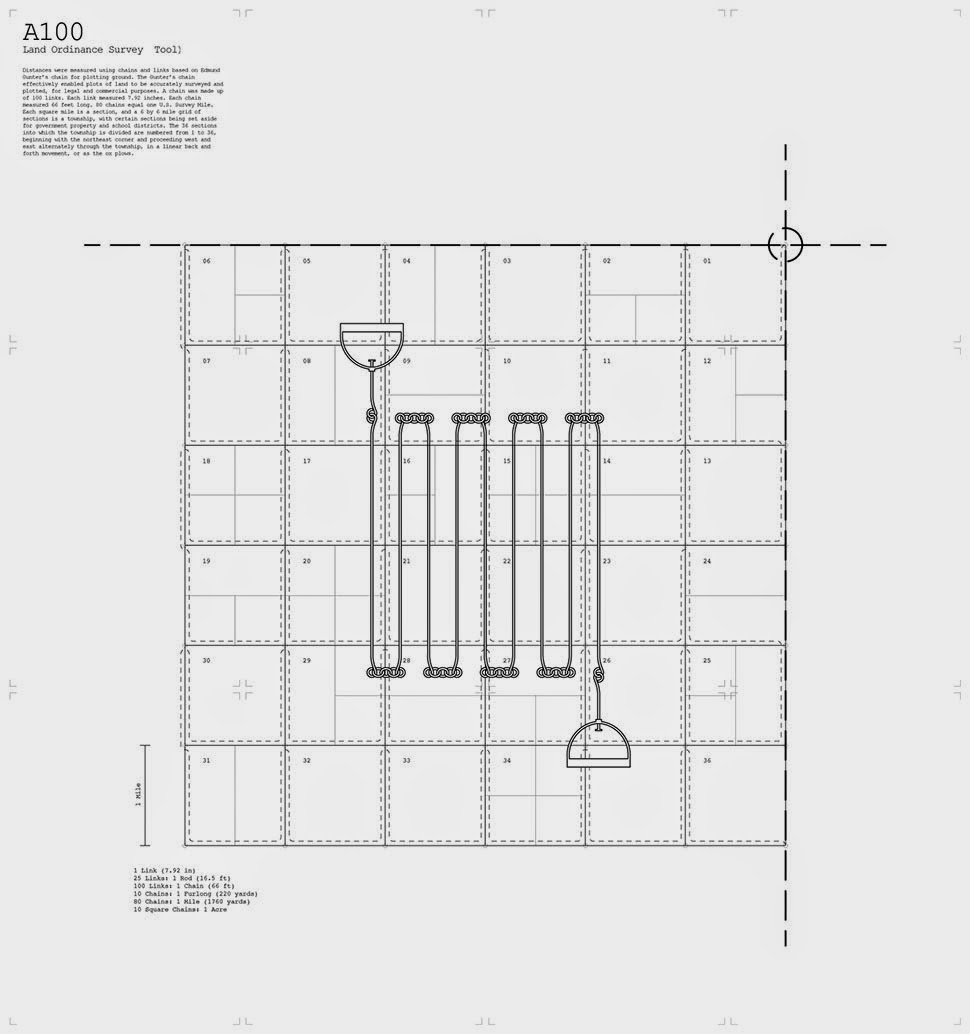
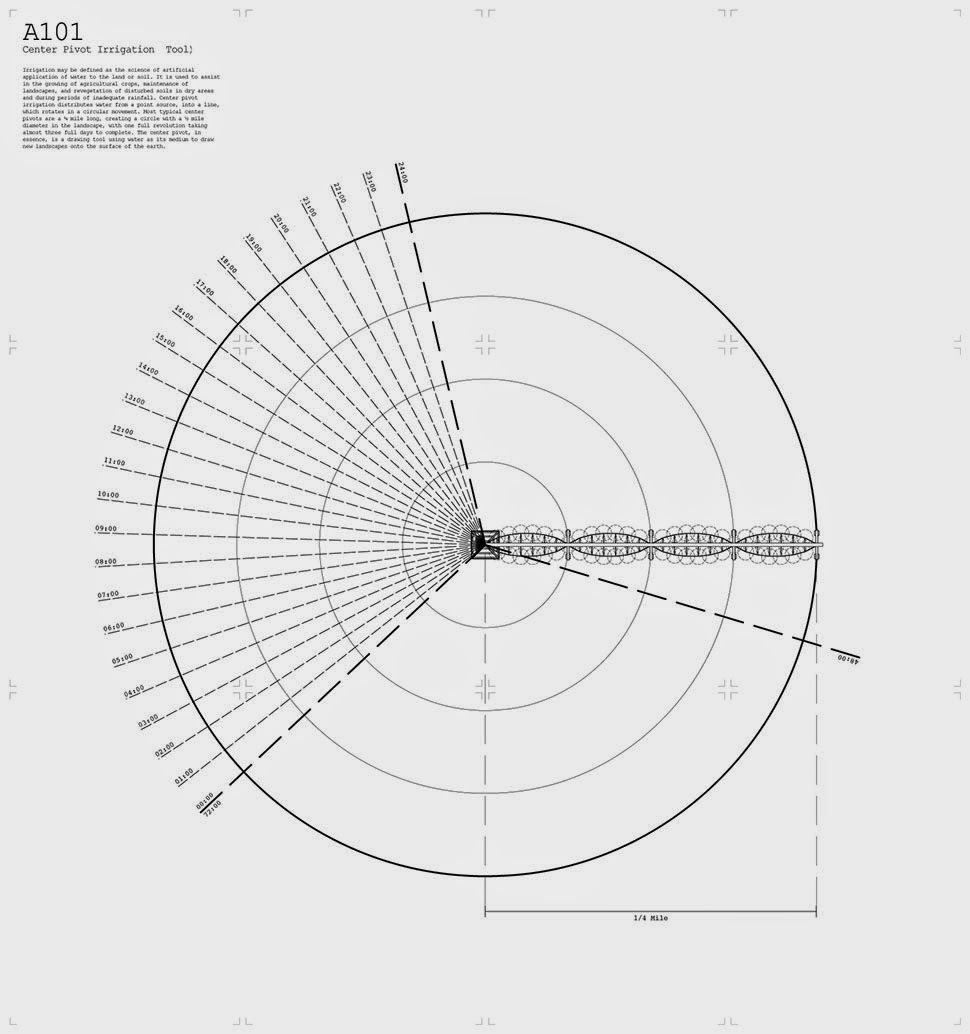
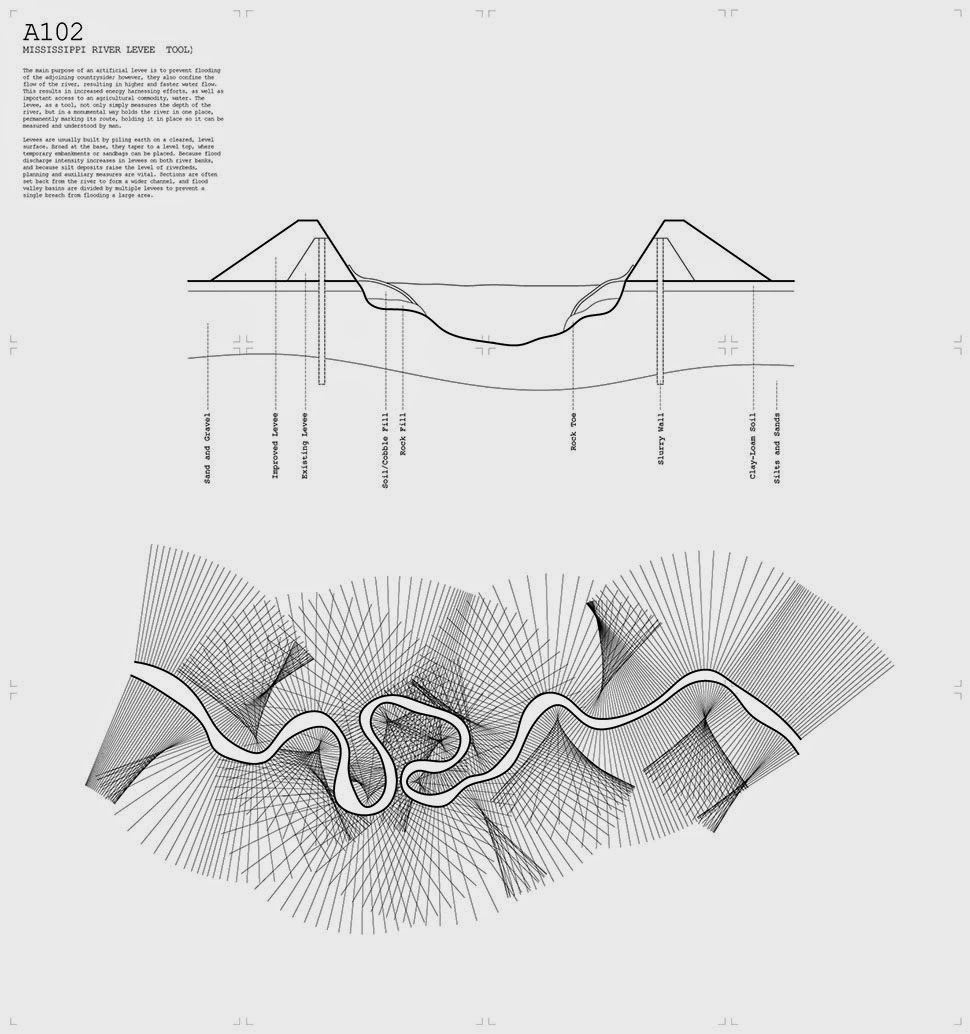
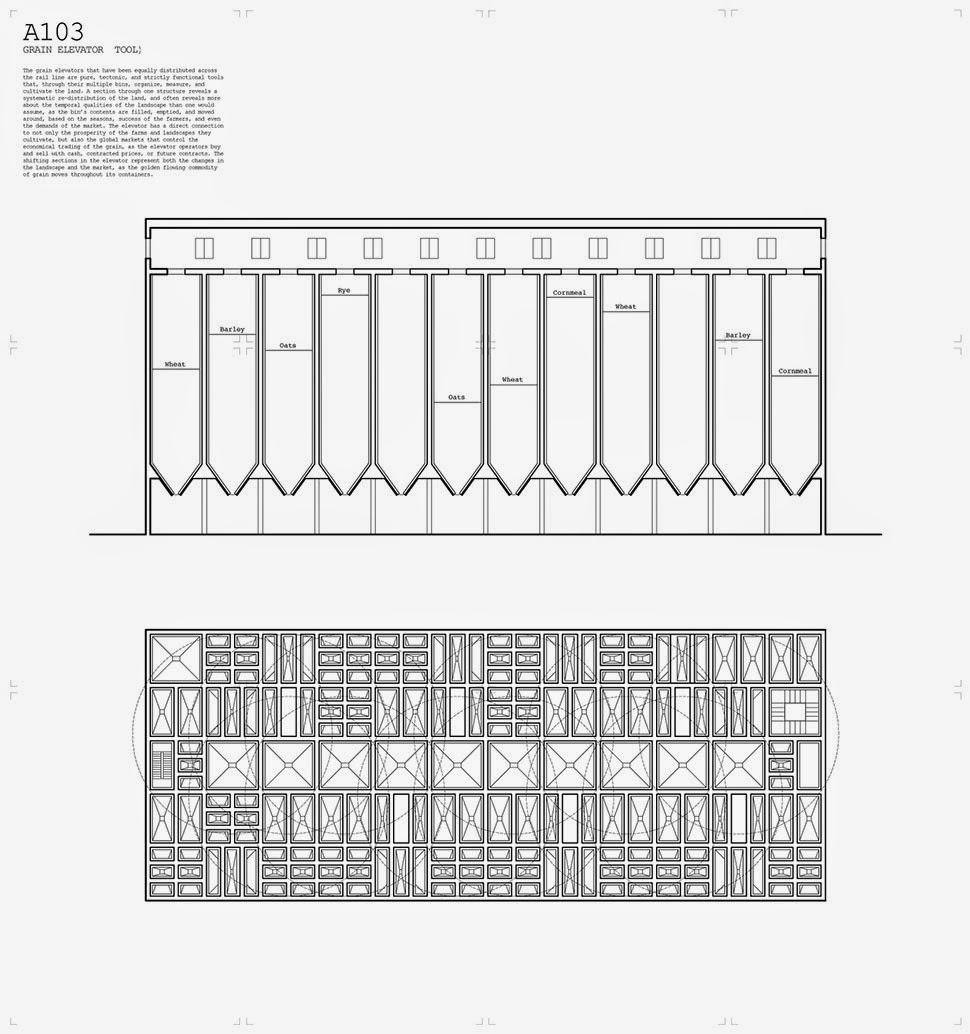
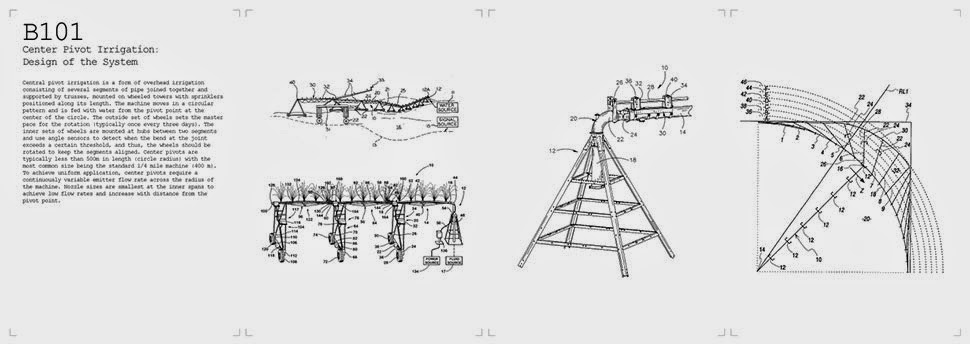
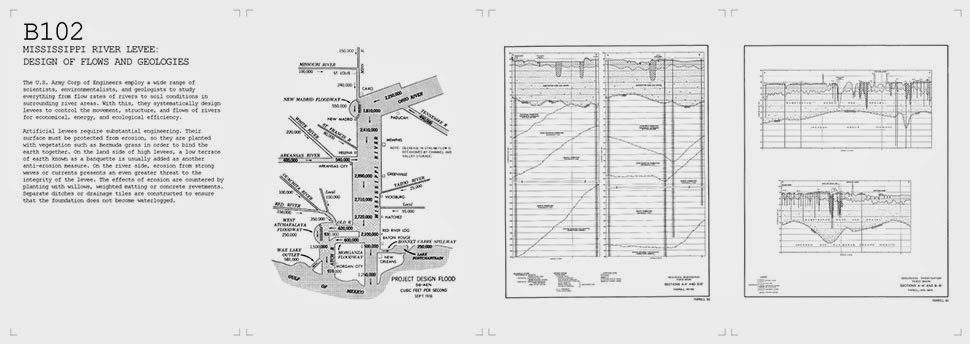
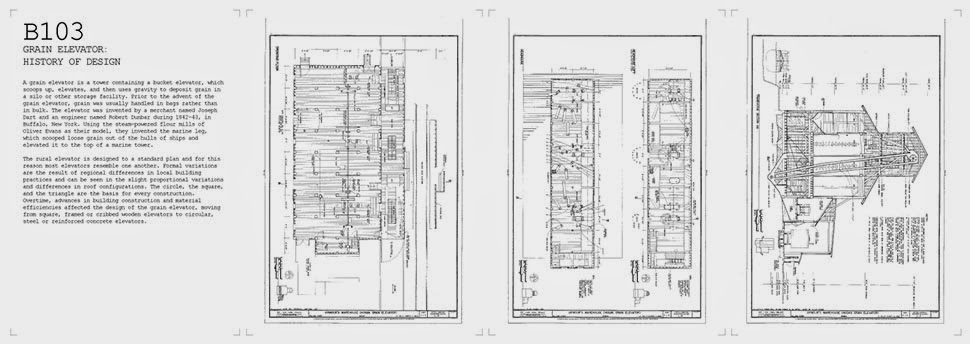
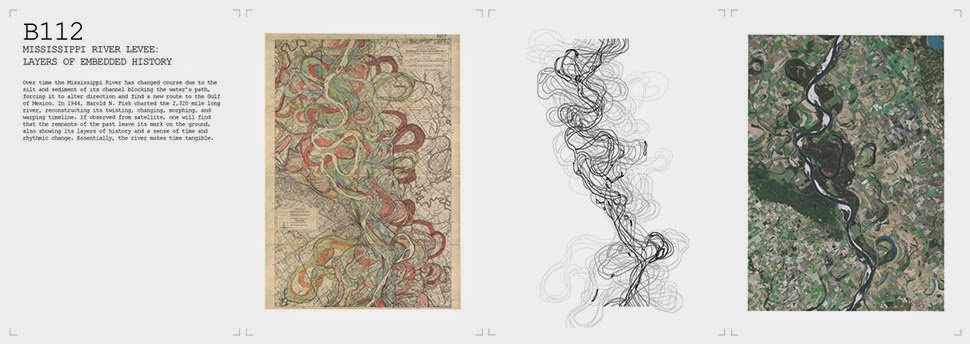
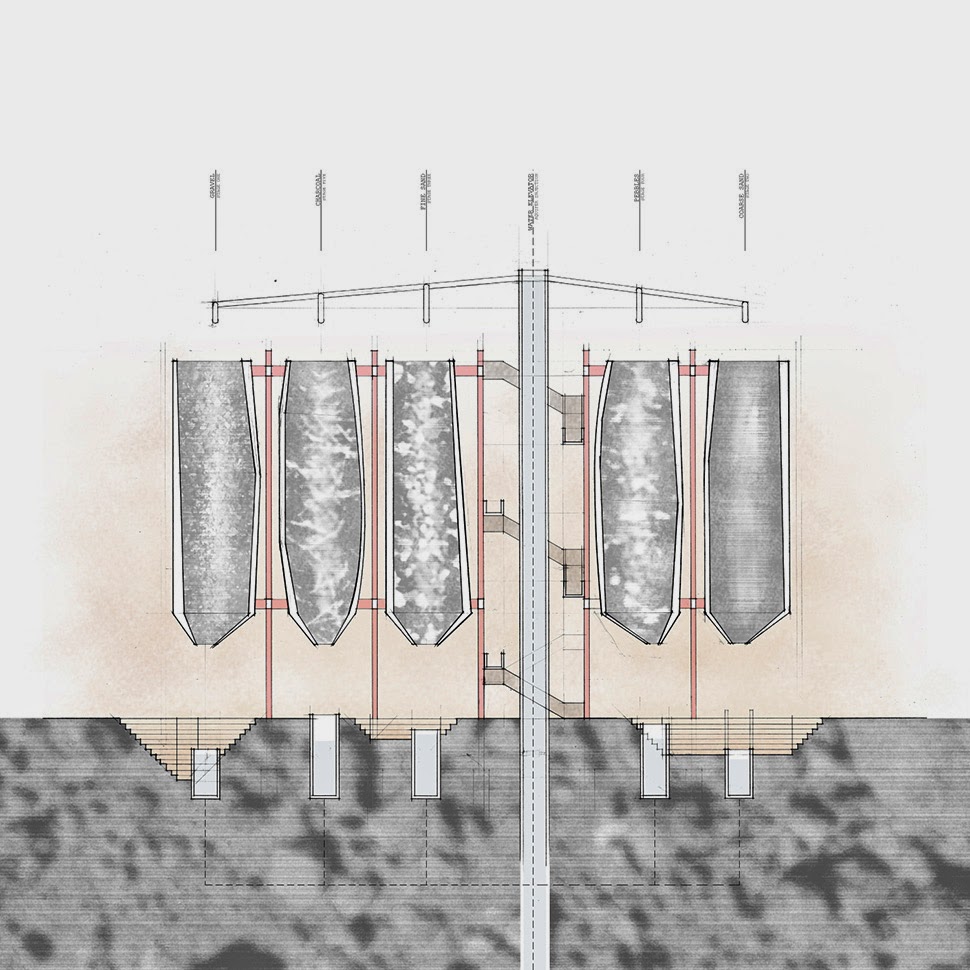
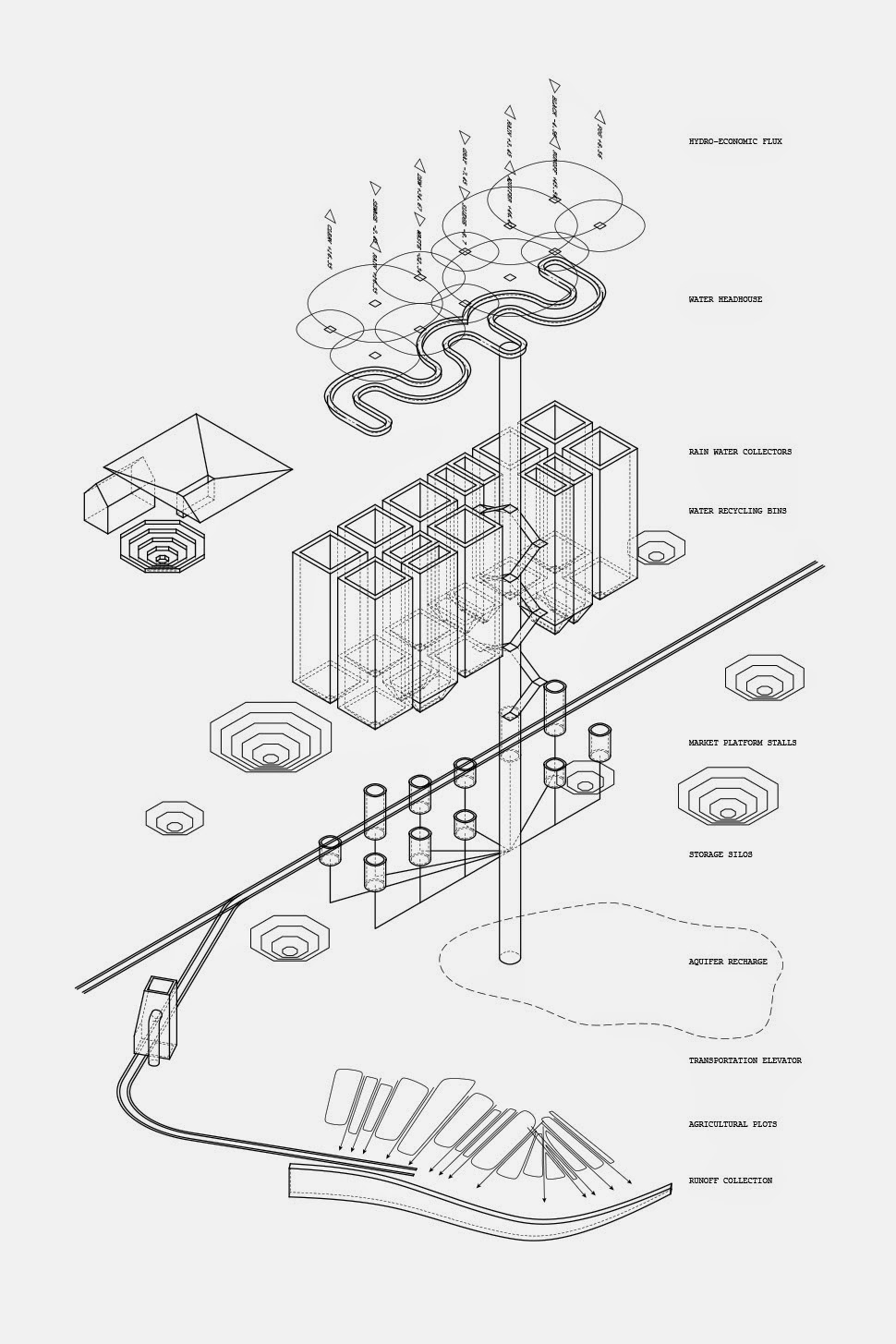
The project includes land ordinance survey tools and irrigation mechanisms, a “Mississippi River levee tool” and the building-sized “grain elevator tool.”

[Images: “Cultivating the Map” by Danny Wills].

In Danny’s own words, the project “finds itself in the territory of the map, proposing that the map is also a generative tool. Using the drawing as fertile ground, this thesis attempts a predictive organization of territory through the design of four new tools for the management of natural resources in the Great Plains, a region threatened with the cumulative adverse effects of industrial farming. Each tool proposes new ways of drawing the land and acts as an instrument that reveals the landscape’s new potential.”

These “new potentials” are often presented as if in a little catalog of ideas, with sites named, located, and described, followed by a diagrammatic depiction of what Wills suggests might spatially occur there.

[Images: “Cultivating the Map” by Danny Wills].

The ambitious project earned Wills both the Henry Adams AIA Medal & Certificate of Merit, and the school’s Yarnell Thesis Prize in Architecture.

[Images: “Cultivating the Map” by Danny Wills].

I’ll wrap up here with a selection of images of the landscapes, tools, and instruments, but click over to Danny’s site for a few more. Here are also some descriptions:

Tool 1: Meanders, Fog Fences, Air Wells

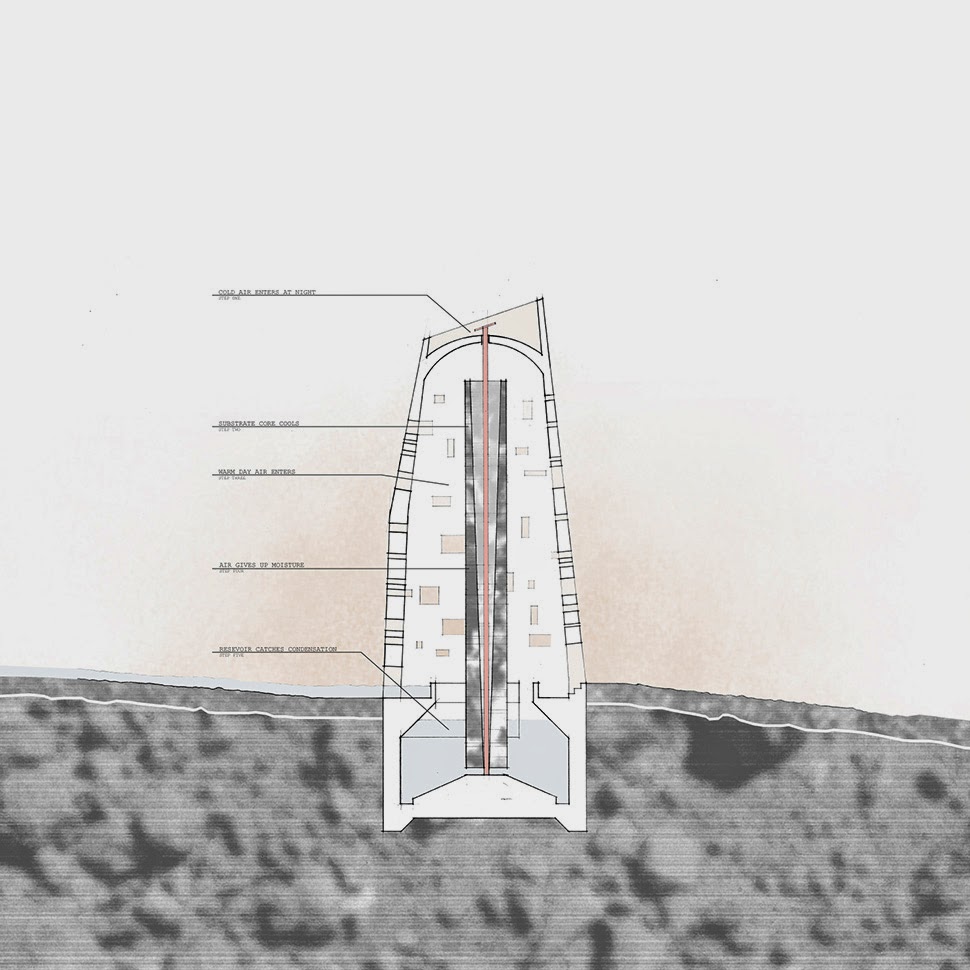
Tool 1 attaches itself to the groundwater streams, both proposing tools to redirect and slow down the flow, as well as tools to collect atmospheric water through technological systems like air wells and fog fences, forming new bodies and streams of water. The new air wells collect atmospheric water through a system of cooling and heating a substrate core inside of a ventilated exterior shell. The air wells also become spaces to observe the re-directing flow of water, as overflow quantities are appropriately managed.

Tool 2: Aquifer Irrigation Ponds

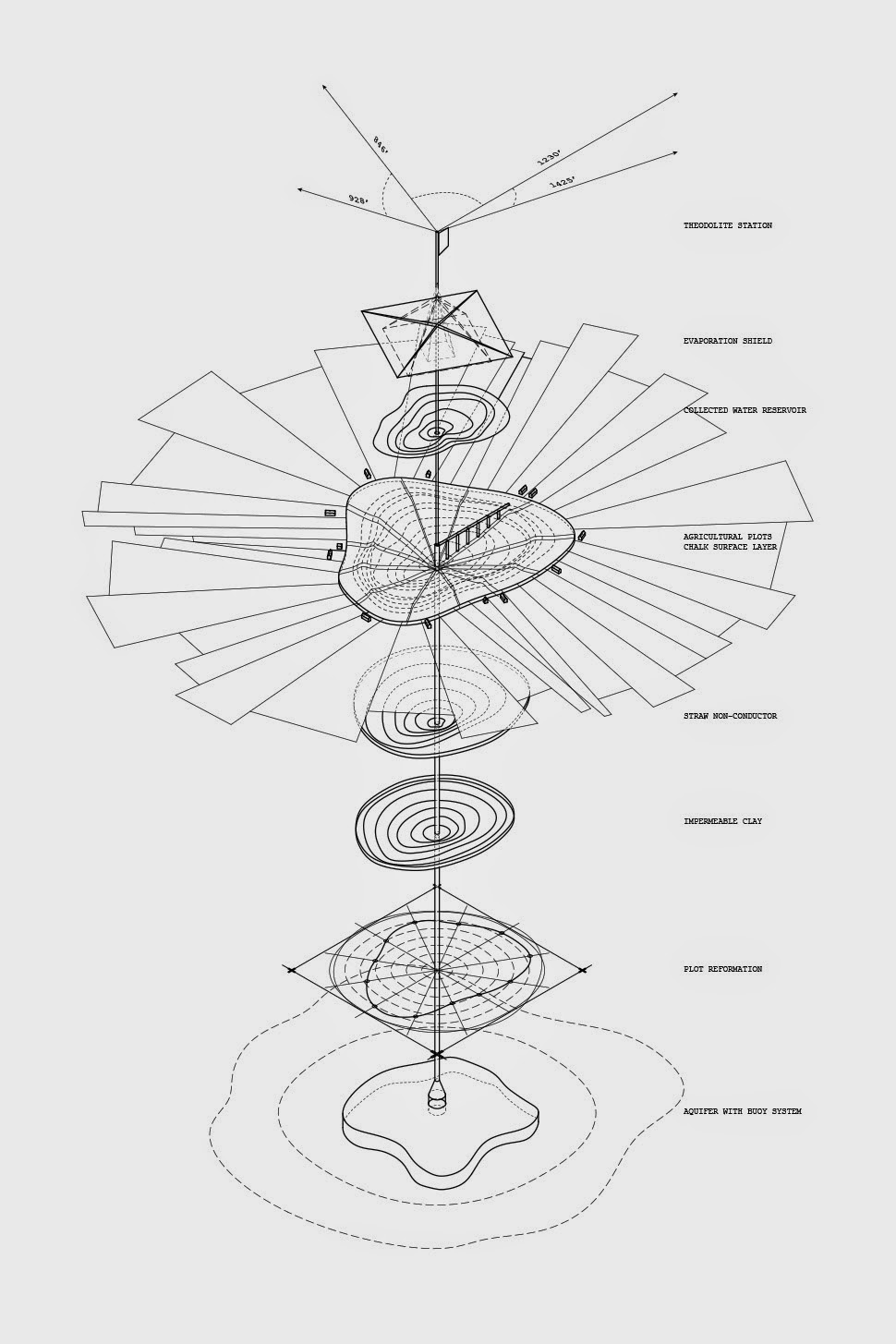
Tool 2 uses the center pivot irrigation rigs to reconstruct the ground, making bowls in the landscape that act as dew ponds. At the same time, the wells become tools and markers to survey the levels of the aquifer below, signifying changes in the depth through elevational changes above. New forms of settlement begin to appear around each ring as a balance is reached between extraction and recharge of the aquifer.

Tool 3: Sand Dunes, Grazing Fields

Tool 3 uses gas wells as new geo-positioning points, redrawing boundaries and introducing controlled grazing and fallowing zones into the region. Walls are also built as markers of the drilling wells below, creating a dune topography to retain more ground water. Each repurposed oil rig becomes an architectural element that both provides protection and feed for grazing animals as well as a core sample viewing station. The abandoned rigs suspend cross sections of the earth to educate visitors of the geological history of the ground they stand on.

Tool 4: Water Recycling Station

Tool 4 converts the grain elevator into a water recycling station, filling the silos with different densities of sand and stone to filter collected types of water- rain, ground run-off, grey, brackish, etc. Large pavilion like structures are built between houses, collecting water and providing shade underneath. Some housing is converted into family-run markets; the new social space under the pavilions provide for market space. The repurposed grain elevator becomes the storage center for the region’s new water bank. Economic control is brought back to the local scale.

[Images: “Cultivating the Map” by Danny Wills].

NATO’s Underground Roman Super-Quarry

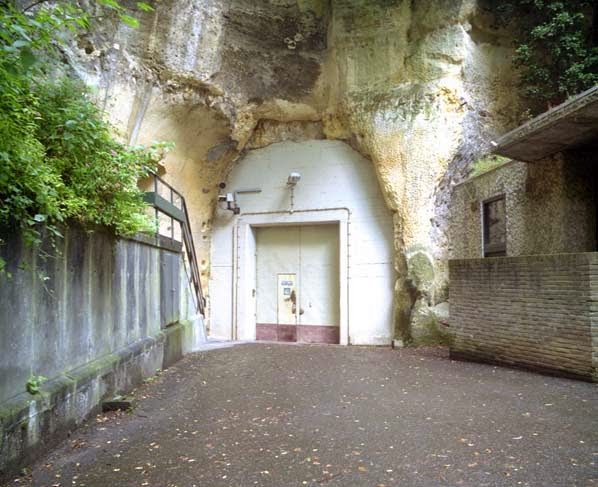
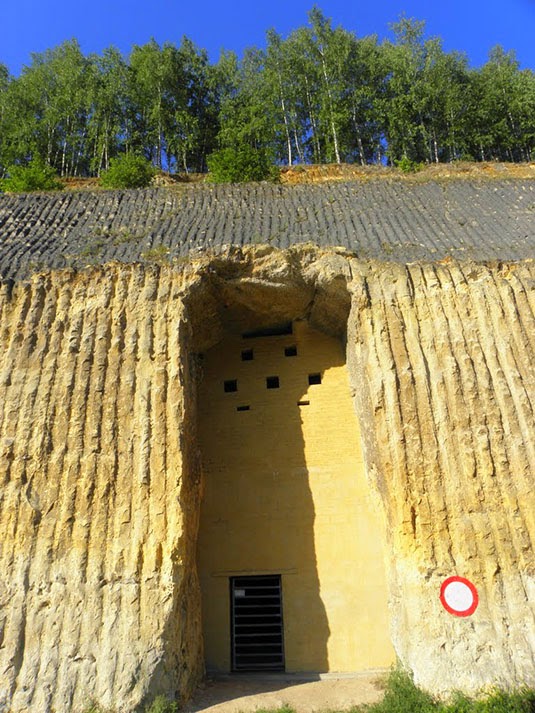
[Image: An entrance to the quarry in Kanne; photo by Nick Catford via Subterranean Britannica].

There is an underground Roman-era quarry in The Netherlands that, when you exit, you will find that you have crossed an invisible international border somewhere down there in the darkness, and that you are now stepping out into Belgium; or perhaps it’s the other way around, that there is an underground Roman-era quarry in Belgium that, when you exit, you will find that you have crossed an invisible international border somewhere down there in the darkness, and that you are now stepping out into The Netherlands.

However, this is not just a disused quarry—not just an archaeological site on the fringes of the Roman empire that was once mined for blocks of limestone. Its afterlife is by far the most interesting part of the story.

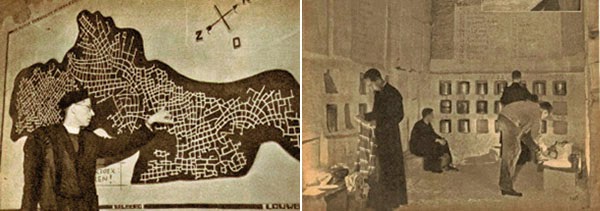
For nearly a century, beginning in the 1800s, these underground hollows were used by Jesuit monks as a secluded place for prayer, study, and meditation, and even for the carving of elaborate and impressive forms into the soft rock walls; then the Nazis took over, transforming this weird underworld into a subterranean factory for World War II airplane parts; then, finally, pushing the stakes yet higher, the whole complex of former Roman limestone mines, straddling an international border underground between two modern European nations, was turned into a doomsday bunker for NATO, a dark and mold-prone labyrinth within which military commanders constructed a Joint Operations Center for responding to the end of the world (whenever the time finally came).

[Images: Monks underground; via De Limburgse Mergelgrotten].

“There was even a 3-hole golf course complete with artificial turf,” Subterranean Britannica reports in a recent issue of their excellent magazine, Subterranea.

“The complex was on average 50 meters below ground covering an area of approximately 6750 acres with eight miles of corridors, 400 branches and 399 individual offices,” SubBrit explains. There were escape tunnels, as well, “one going out to the banks of the Albert Canal in Belgium, and one which came out in a farmer’s potato store in the village of Kanne.” It had its own water supply and even a dedicated wine cellar for NATO officers, who might need a glass of Europe’s finest chardonnay to help feel calm enough to launch those missiles.

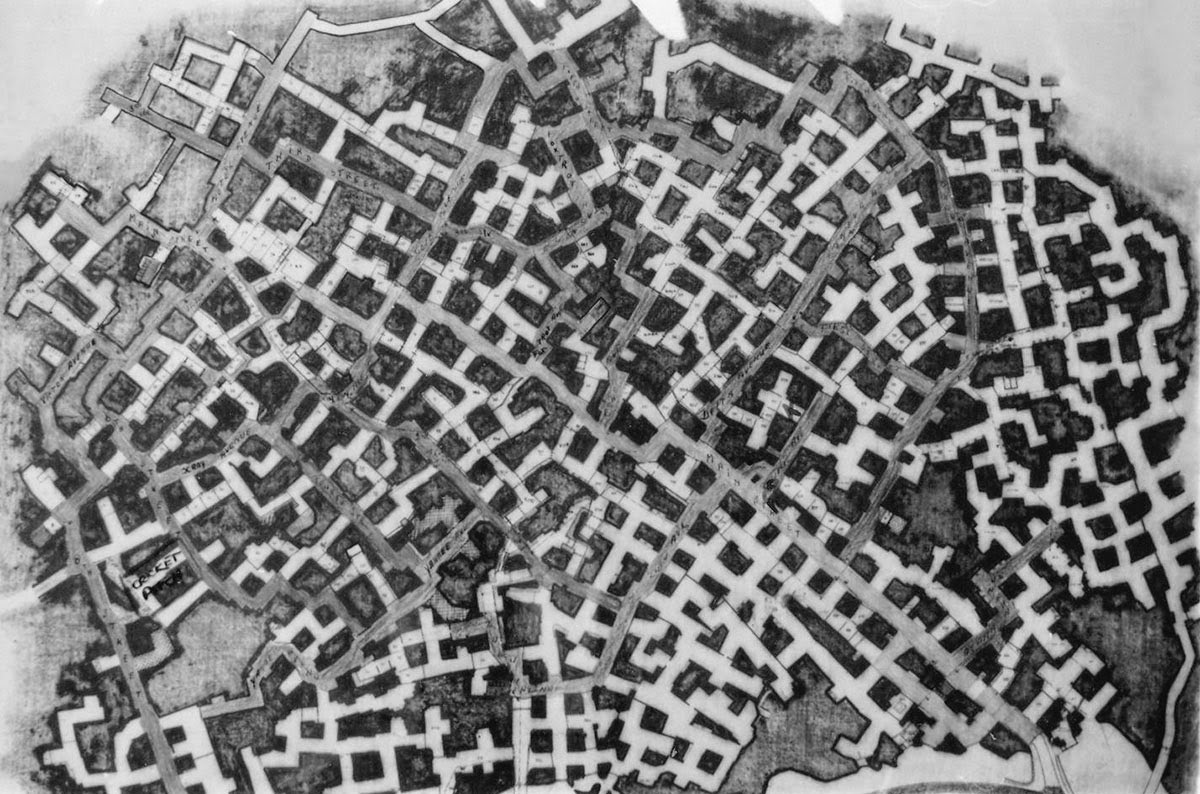
Just look at this thing’s mind-boggling floor plan.

The “streets” were named, but not always easy to follow; however, this didn’t stop officers stationed there from occasionally going out to explore the older tunnels at night. A former employee named Bob Hankinson describes how he used to navigate:

Most corners were roughly 90 degrees, but only roughly. Going through the caves was an exercise in left and right turns every 50 feet or so. Navigation was helped by street names. Unlike in the USA, where streets are numbered on a sort of grid pattern, these were zigzag streets. My office on Main Street and J Street, so if I got lost I would just keep walking until I came to either Main or J, and join it. If I went the wrong way, eventually the street would peter out either at the perimeter or a T-junction, and you would just turn round and go back the other way.

As another former employee—a man named Alan Francis—explains, “If I did have spare time, I would wander through the dark tunnels where there were very few lights on at night, thinking how strange it was to be working in a Roman stone quarry.”

Writing in Subterranea, SubBrit explains that “nothing ever came out.” This was “a strict rule: apart from people, anything that went in never came out. All waste material ranging from redundant furniture to foot waste was dumped in one of the sixteen underground landfill sites” designated within this sprawling whorl of rooms and passages. Shredded documents were even mixed with water and applied directly to the walls as a kind of fibrous paste, used for insulation.

Such was the secrecy surrounding this place that it was officially classified as “a ‘forbidden place’ under the Protection of State Secrets Act which forbade people to even talk about it.”

One reason why the underground galleries are so vast, meanwhile, is apparently because of the character of the limestone they were carved through; in fact, “the limestone was so soft that the workers used a chainsaw to cut it.”

The notion that I could just cut myself a whole new room with a chainsaw—just revving this thing up and carving an entire new hallway or corridor, pushing relentlessly forward into what looks like solid earth, possibly even sawing my way into the roots of another country—is so awesome an architectural condition that I would move there tomorrow if I could.

Just imagine building this titanic doorway into the earth with a small group of friends, a case of beer, and a few chainsaws. It’s like Cappadocia by way of the Cold War. By way of Husqvarna.

[Image: An entrance into the NATO complex; via this thread].

Sadly, the whole place is contaminated with asbestos and has been badly saturated with diesel fuel. At least one environmental analysis of the underground maze found that “diesel fuel from the [copious emergency fuel] tanks had leaked into the porous limestone over a long period and had penetrated to a depth of about forty feet into the rock.”

You can imagine the weird bonfires that could have resulted should someone have been stupid enough to light a match, but “this area had to be removed and disposed of,” we read—presumably by chainsaw.

Nonetheless, today you can actually take a tour of this place—this now-derelict doomsday logistics hub that straddles international borders underground—courtesy of the Limburg Landscape Foundation.

If you can take the tour, let me know how it goes; I’d love to visit this place in person someday and would be thrilled to see any photographs.

(If you like the sound of underground NATO quarries and want to see more, don’t miss these vaguely related photo sets: NATO Quarry, N.A.T.O. Quarry, N.A.T.O. Quarry, France, Urban Explorers Discover Corroding Military Vehicles in Abandoned Subterranean Bunker, and Nato Quarry, Paris Suburbs May 2011).

Bunker Simulations

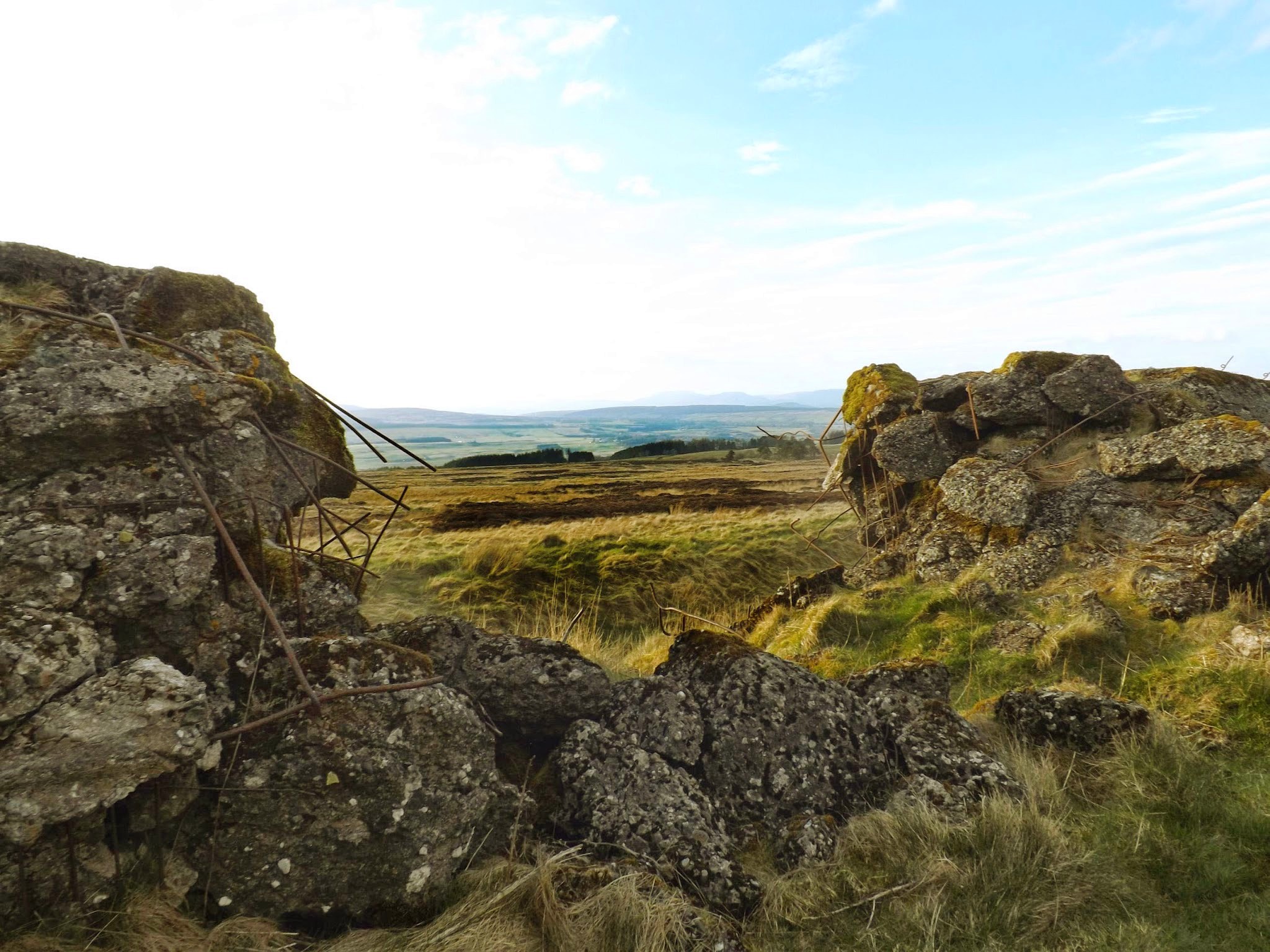
[Image: A replica of the Nazis’ Atlantic Wall defenses in Scotland; photo via Stirling 2014].

The continent-spanning line of concrete bunkers built by the Nazis during WWII, known as the “Atlantic Wall,” was partially recreated in the United Kingdom—in more than one location—to assist with military training.

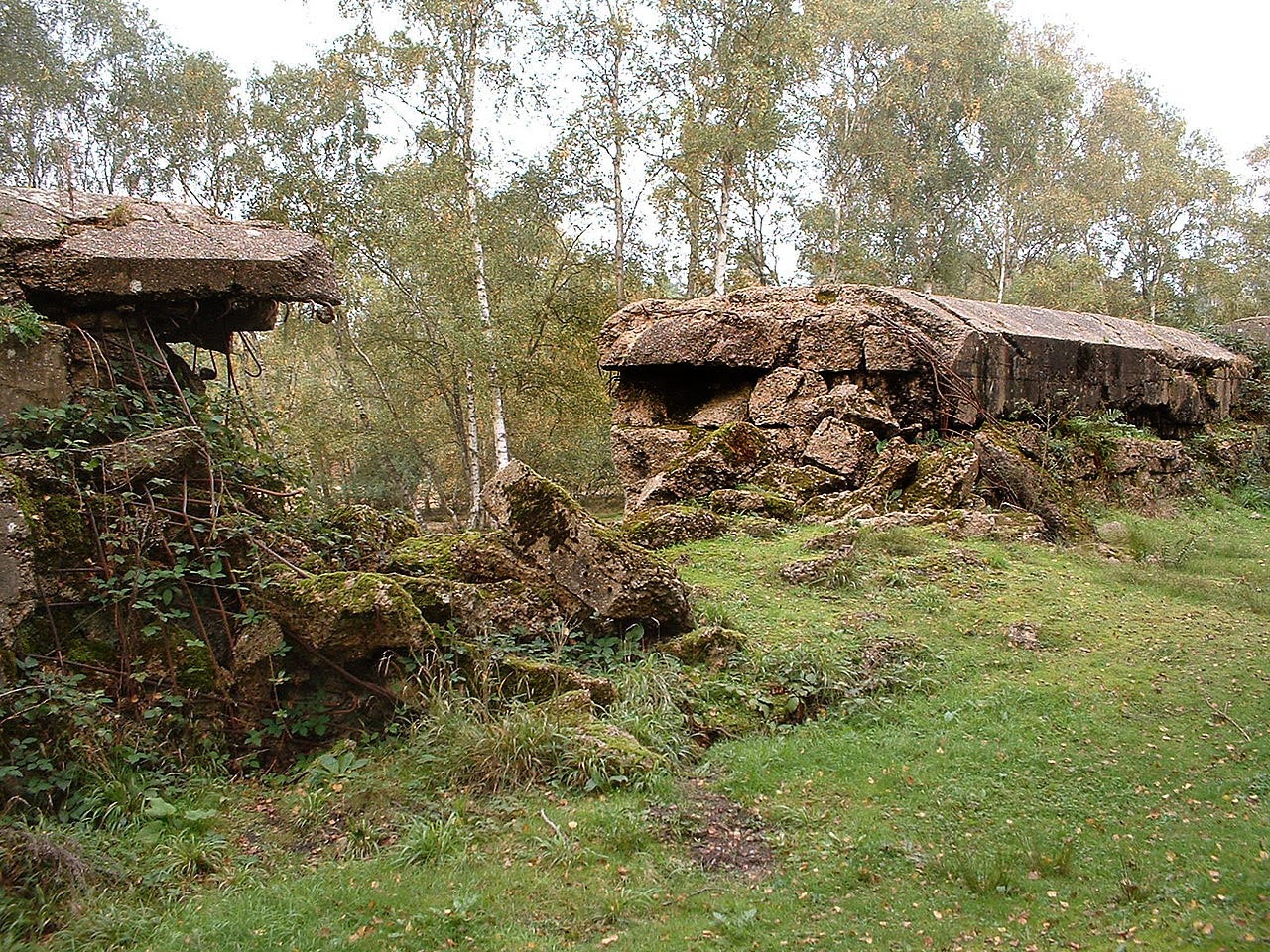
These simulated Nazi bunkers now survive as largely overlooked ruins amidst the fields, disquieting yet picturesque earth forms covered in plants and lichen, their internal rebar exposed to the weather and twisted by explosives, serving as quiet reminders of the European battlefield.

The various wall sites even include trenches, anti-tank ditches, and other defensive works carved into the ground, forming a kind of landscape garden of simulated fortification.

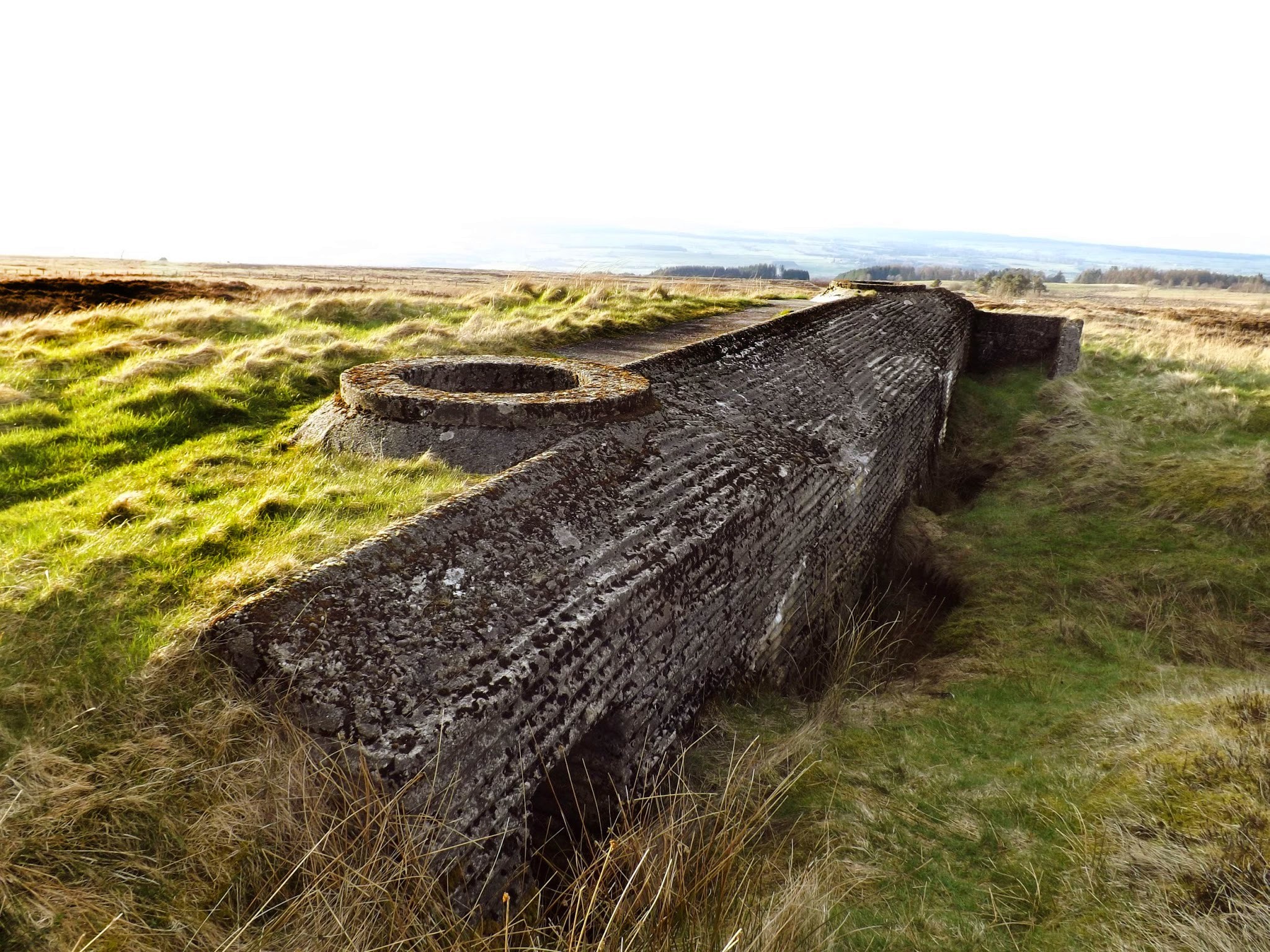
[Image: A replica of the Atlantic Wall in Scotland; photo via Stirling 2014].

As the Herald Scotland reported the other day, one of these walls “was built at Sheriffmuir, in the hills above Dunblane, in 1943 as preparations were being made to invade Europe. The problem was the Nazis had built a formidable line of concrete defenses from Norway all the way to the Spanish border and if D-Day was to have any chance of success, the British and their allies would have to get over those defenses.”

This, of course, “is why the wall at Sheriffmuir was built: it was a way for the British forces to practise their plan of attack and understand what they would face. They shot at it, they smashed into it, and they blew it up as a way of testing the German defences ahead of D-Day.”

[Image: A replica of the Atlantic Wall in Scotland; photo via Stirling 2014].

It would certainly be difficult to guess what these structures are at first glance, or why such behemoth constructions would have been built in these locations; stumbling upon them with no knowledge of their history would suggest some dark alternative history of WWII in which the Nazis had managed to at least partially conquer Britain, leaving behind these half-buried fortresses in their wake.

Indeed, the history of the walls remains relatively under-exposed, even in Britain, and a new archaeological effort to scan all of the defenses and mount an exhibition about them in the Dunblane Museum is thus now underway.

[Image: A replica of the Atlantic Wall in Scotland; photo via Stirling 2014].

The story of the Scottish wall’s construction is also intriguingly odd. It revolves around an act of artistic espionage, courtesy of “a French painter and decorator called Rene Duchez.”

Duchez, the newspaper explains, “got his hands on the blueprints for the German defences while painting the offices of engineering group TODT, which [had been hired] to build the Atlantic walls. He hid the plans in a biscuit tin, which was smuggled to Britain and used as the blueprint for the wall at Sheriffmuir.”

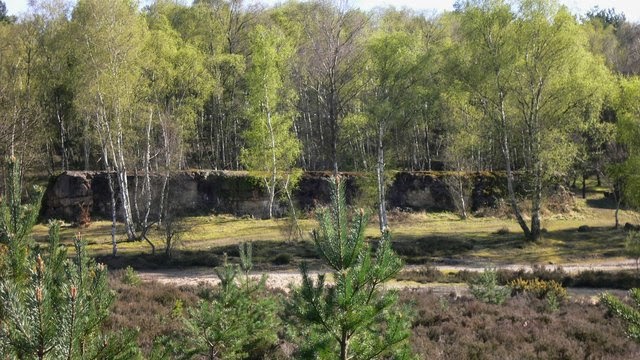
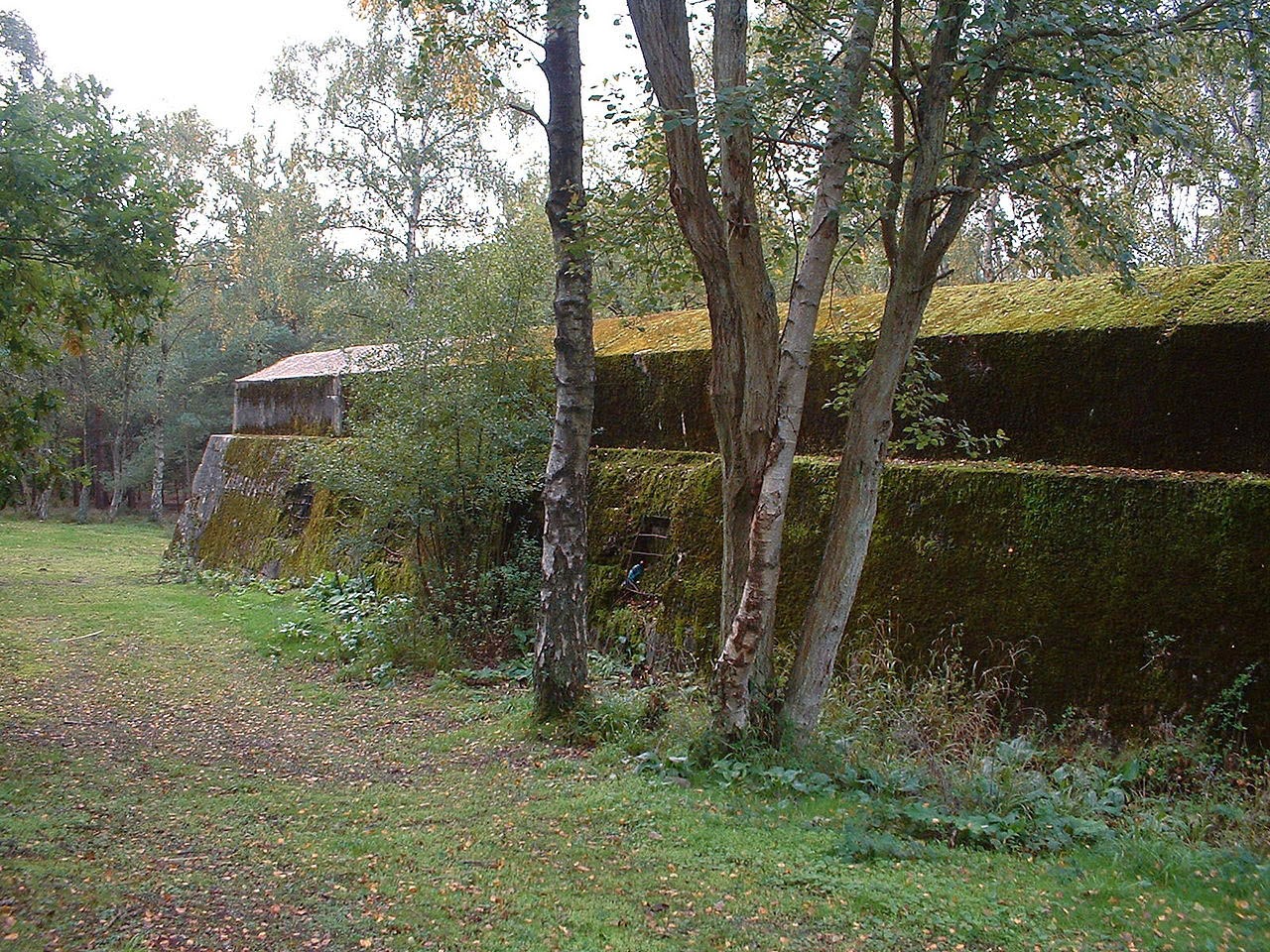
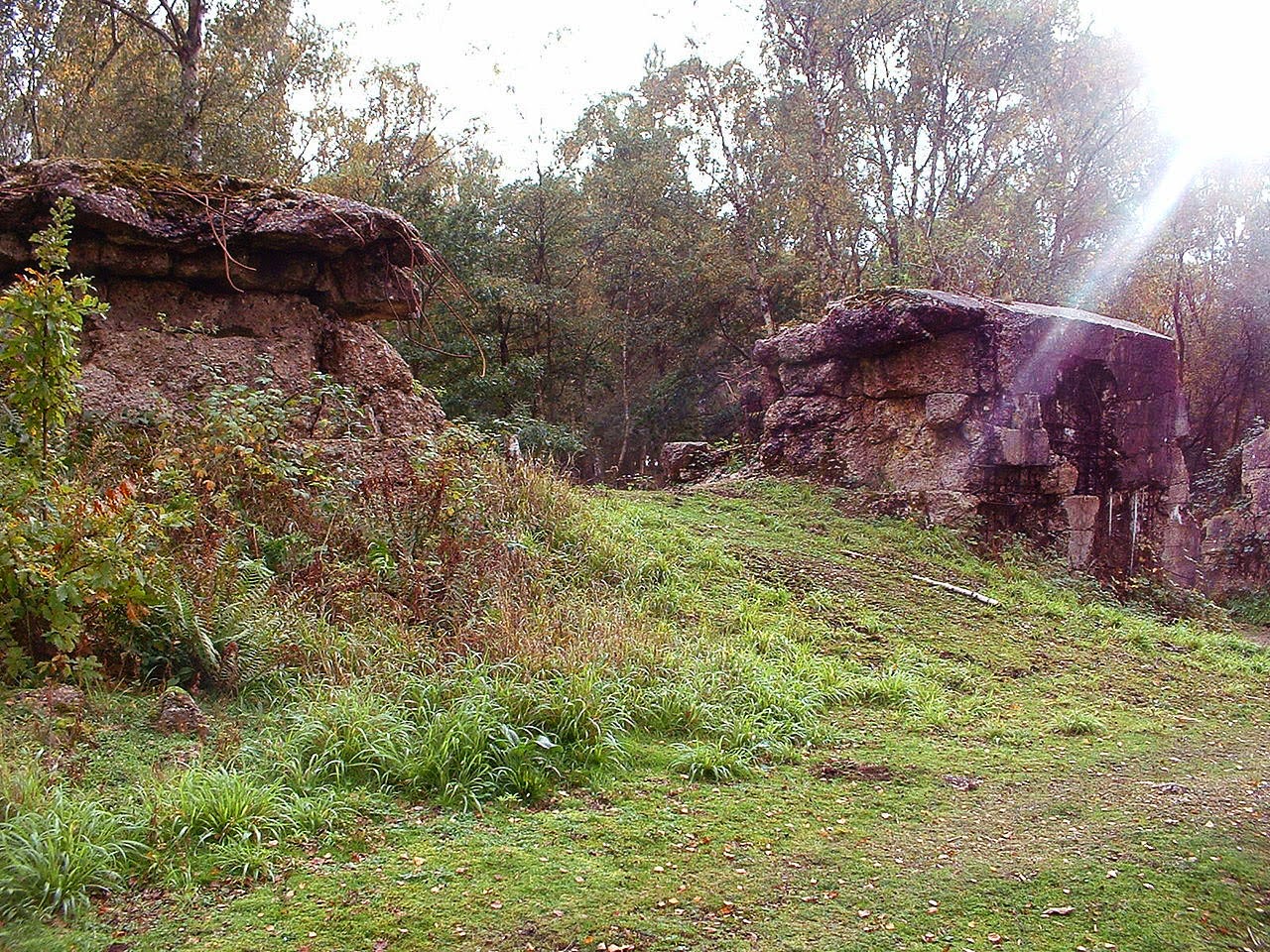
But Scotland is not the only UK site of a simulated Nazi super-wall: there were also ersatz bunkers built in Surrey, Wales, and Suffolk. In fact, the one in Surrey, built on Hankley Common, is not all that far from my in-laws, so I’ll try to check it out in person next time I’m over in England.

[Images: An Atlantic Wall replica in Surrey; top photo by Shazz, bottom three photos via Wikipedia].

Attempts at archaeological preservation aside, these walls seem destined to fade into the landscape for the next several millennia, absorbed back into the forests and fields; along the way, they’ll join other ancient features like Hadrian’s Wall on the itinerary of future military history buffs, just another site to visit on a slow Sunday stroll, their original context all but forgotten.

(Spotted via Archaeology. Previously on BLDGBLOG: In the Box: A Tour Through The Simulated Battlefields of the U.S. National Training Center and Model Landscape].

Architecture-by-Bee and Other Animal Printheads

[Image: By John Becker].

For thousands of years, animal bodies have been used as living 3D printers—or sentient printheads, we might say—but the range of possible material outputs is set to change quite radically. In fact, bioengineering is rapidly making this idea—that spiders, silkworms, and honeybees, to name just a few, are already 3D printers—more than just a poetic metaphor.

Those creatures are organic examples of depositional manufacturing, and they have been domesticated and used throughout human history for specific creative ends, whether it’s to produce something as mundane as honey or silk, or something far more outlandish, including automotive plastics, military armaments, and even concrete, as we’ll see below.

Animal Printheads

Researchers in Singapore discovered several years ago, for example, that silkworms fed a chemically peculiar diet could produce colored silk, readymade for use in textiles, as if they are actually biological ink cartridges; and other examples—in which animal bodies have been temporarily tweaked or even specifically bred to produce new, economically useful materials on a semi-industrial scale—are not hard to come by.

As it happens, for example, using bees as 3D printers is quickly becoming something of an accepted artistic process and its deep incorporation into advanced manufacturing processes will not be far behind.

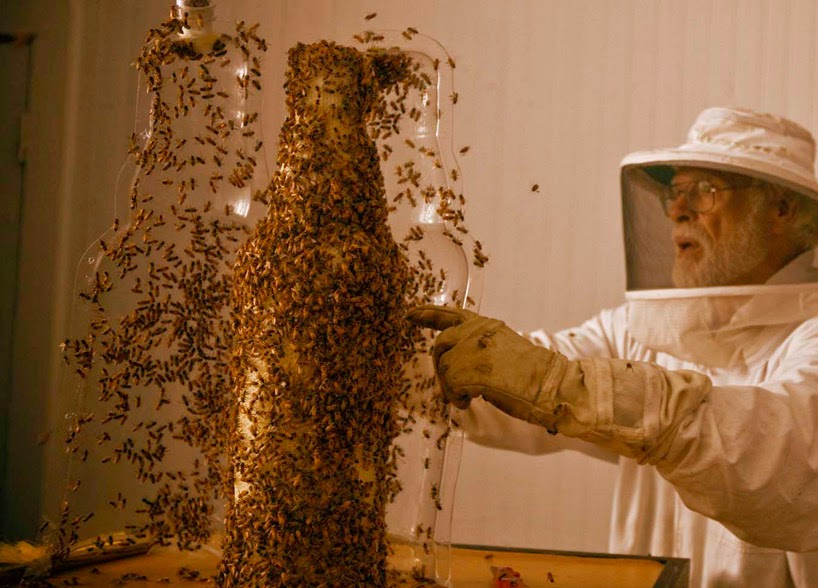
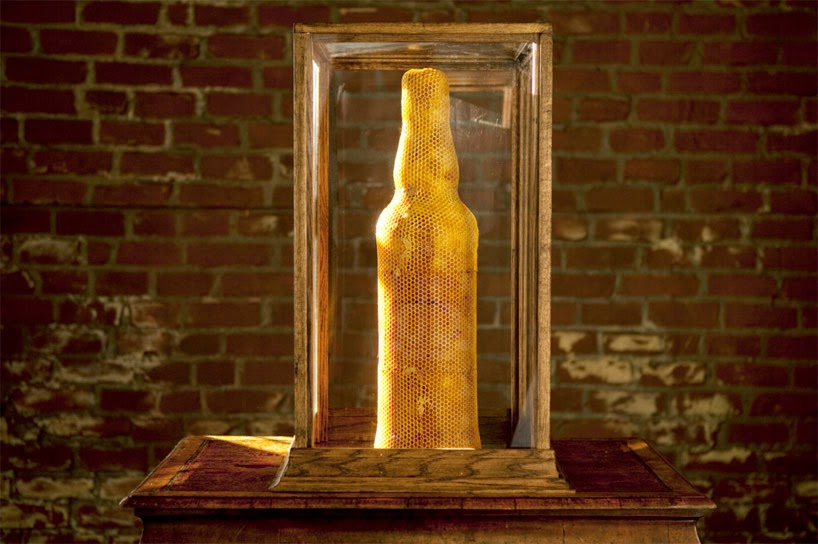
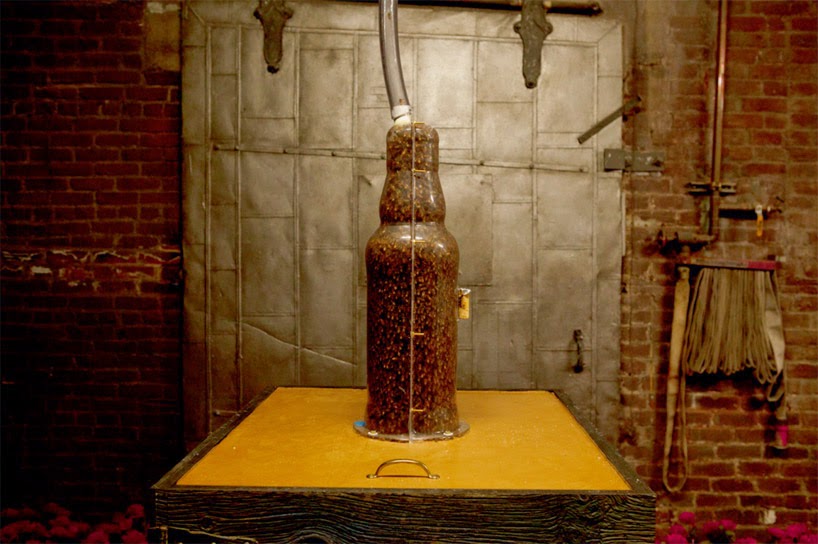
Perhaps the most widely seen recent exploration of the animal-as-3D-printer concept was done last year for, of all things, a publicity stunt by Dewar’s, in which the company “3D printed” a bottle of Dewar’s using nothing but specially shaped and cultivated beehives.
[Images: Courtesy of Dewar’s, via designboom].

These pictures tell the story clearly enough: using a large glass bottle as a mold in which the bees could create new hives, the process then ended with the removal of the glass and the revealing of a complete, bottle-shaped, “3D-printed” hive.

As Dewar’s joked, it was 3B-printed.

[Images: Courtesy of Dewar’s, via designboom].

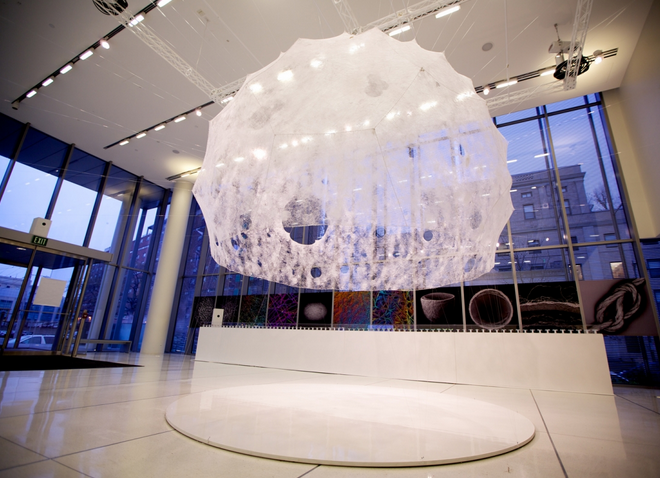
Or take the Silk Pavilion, another recent project you’ve undoubtedly already seen, in which researchers at MIT, led by architect Neri Oxman, 3D-printed a room-sized dome using carefully guided silkworms as living printheads.
[Image: Courtesy of MIT].

The Silk Pavilion was an architectural experiment in which the body of the silkworm, guided along a series of very specific paths, was “deployed as a biological printer in the creation of a secondary structure.”

The primary structure, meanwhile—the pattern used by the silkworms as a kind of depositional substrate—was nothing more than a continuous thread wrapped around a metal scaffold like a labyrinth, seen in the image below.

[Image: Courtesy of MIT].

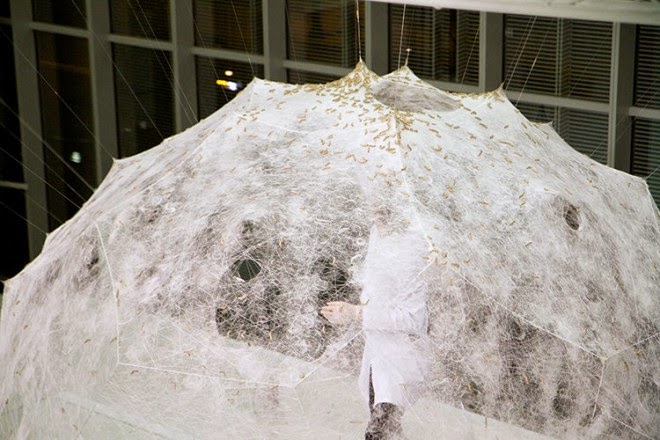
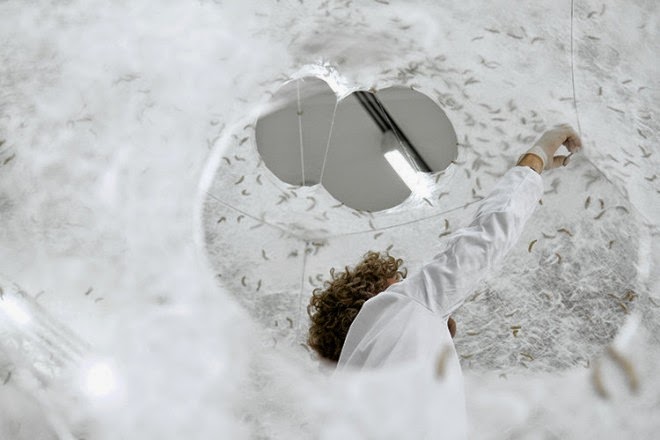
It was at this point in the process that a “swarm of 6,500 silkworms was positioned at the bottom rim of the scaffold spinning flat non-woven silk patches as they locally reinforced the gaps across CNC-deposited silk fibers.” In other words, they infested the labyrinth and laid down architecture with their passing.

[Image: Courtesy of MIT].

The “CNSilk” method, as it was known, resulted in a gossamer, woven dome that looks more like a cloud than a building.
[Images: Courtesy of MIT].

What both of these examples demonstrate—despite the fact that one is a somewhat tongue-in-cheek media ploy by an alcohol company—is that animal bodies can, in fact, be guided, disciplined, or otherwise regulated to produce large-scale structures, from consumer objects to whole buildings.

After all, the very origins of architecture were a collaboration with animal bodies, and experiments like these only update those earliest constructions.

In both cases, however, the animals are simply depositing, or “printing,” what they would normally (that is, naturally, in the absence of human augmentation) produce: silk and honey. Things get substantially more interesting, on the other hand, when we look at more exotic biological materials.

Bee Plastic

For half a decade or more, materials scientist Debbie Chachra at New England’s Olin College of Engineering has been researching what’s known as “bee plastic”: a cellophane-like biopolymer produced by a species native to New England, called Colletes inaequalis.

These bees secrete tiny, cocoon-like structures in the soil—one such structure can be seen in the photo, below—using a special gland unique to its species. The resulting, non-fossil-fuel-based natural polyester not only resists biodegradation, it also survives the temperate extremes of New England, from the region’s sweltering summers to its subzero winter storms.

[Image: Courtesy of Deb Chachra].

More intriguingly, however, the cellophane-like bee plastic “doesn’t come from petroleum,” Chachra explained to me for a 2011 end-of-year article in Wired UK. “The bees are pretty much just eating pollen and producing this plastic,” she continued, “and we’re trying to understand how they do it.”

Bee plastic, Chachra justifiably speculates, could perhaps someday be used to manufacture everything from office supplies to car bumpers, acting as an oil-free alternative to the plastics we use today. In the process, it could perhaps even kickstart a homegrown bio-industry for New England, where the species already thrives, wherein the very idea of a factory needs to be fundamentally reimagined.

The most exciting architectural possibilities here come less from the bees themselves and more from the elaborate structures that would be required to house their activities; imagine a brand new BMW factory somewhere in the suburbs of Boston populated only by plastic-producing bees, and you get some sense of where industrial manufacturing might go in an alternate future. Not unlike Dewar’s bee-printed bottle, then, augmented cousins of Chachra’s plastic-producing bees could thus 3D-print whole car bodies, kitchen counters, architectural parts, and other everyday products.

But even this, of course, is a vision of animal-based manufacturing that relies on the already-existent excretions of living creatures. Could we—temporarily putting aside the ethical implications of this, simply to discuss the material possibilities—perhaps genetically modify bees, silkworms, spiders, and so on to produce substantially more robust biopolymers, something not just strong enough to resist biodegrading but that could be produced and used on an industrial scale?

Recall, for example, that the U.S Army, working with a Canadian firm called Nexia Biotechnologies, was successful in its attempt to genetically engineer a goat that would produce spider-silk proteins in its milk. Incredibly, those “Biosteel goats,” as they were later known, were eventually housed in old ammunition bunkers on a New York State military base, as if they were living bioweapons that needed to be held in quarantine.

[Image: Biosteel goats summed-up in one simple equation (via)].

The ultimate goal of producing these goats was to generate an unbreakable super-fiber that could be used in battle gear, including “lightweight body armor made of artificial spider silk,” and other military armaments; but others have speculated that entire bridges or other pieces of urban infrastructure could someday be woven by goats.

These possibilities become even more strange and promising when we move to materials like concrete.

Concrete Honey

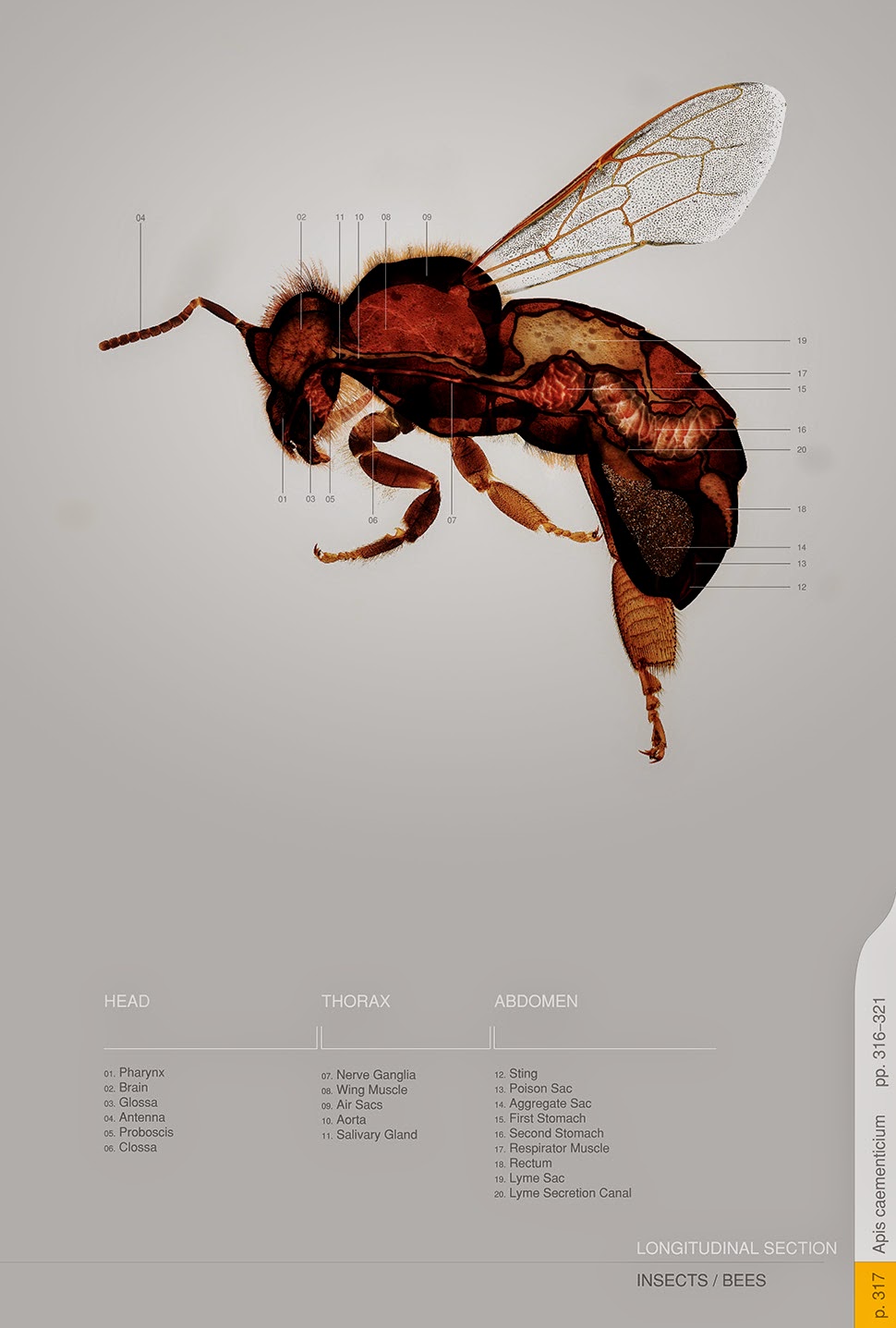
As part of an ongoing collaborative project, NYC-based designer John Becker and I have been looking at the possibility of using bees that have been genetically modified to print concrete. We could call them architectural printheads.
[Image: By John Becker].

Initially inspired by a somewhat willful misreading of a project published under the title “Bees Make Concrete Honey,” John and I began to imagine and illustrate a series of science-fictional scenarios in which a new urban bee species, called Apis caementicium—or cement bees—could be deployed throughout the city as a low-cost way to repair statues and fix architectural ornament, even to produce whole, free-standing structures, such as cathedrals.
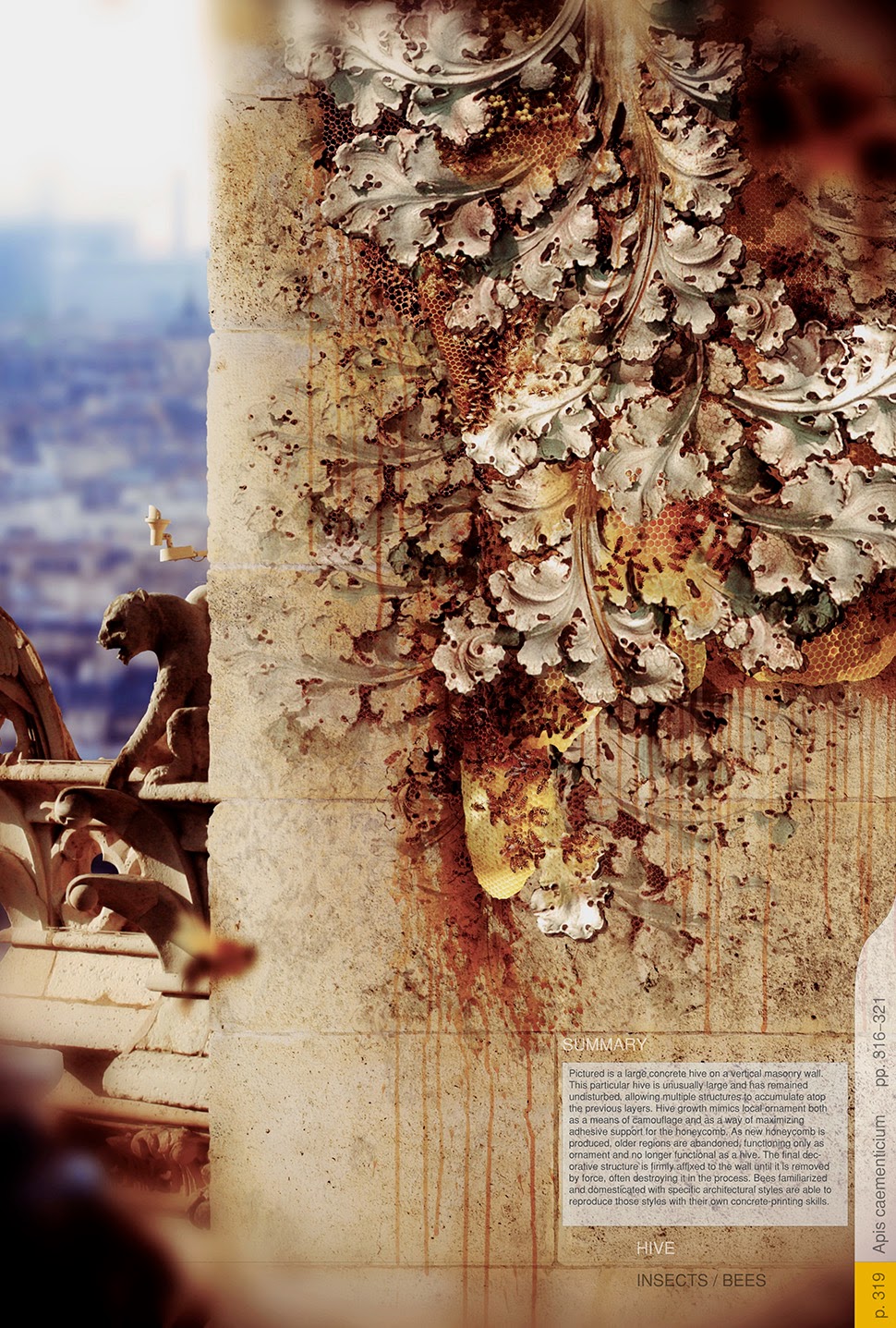
[Image: By John Becker].

In a process not unlike that used for the Dewar’s bottle, above, the bees would be given an initial form to work within. Then, buzzing away inside this mold or cast, and additively depositing the ingredients for bio-concrete on the walls, frames, or structures they’ve been attached to, the bees could 3D-print new architectural forms into existence.

This includes, for example, the iconic stone lions found outside the New York Public Library; they’ve been damaged by exposure and human contact, but can now be fixed from within by concrete bees. Think this as a kind of organic caulking.
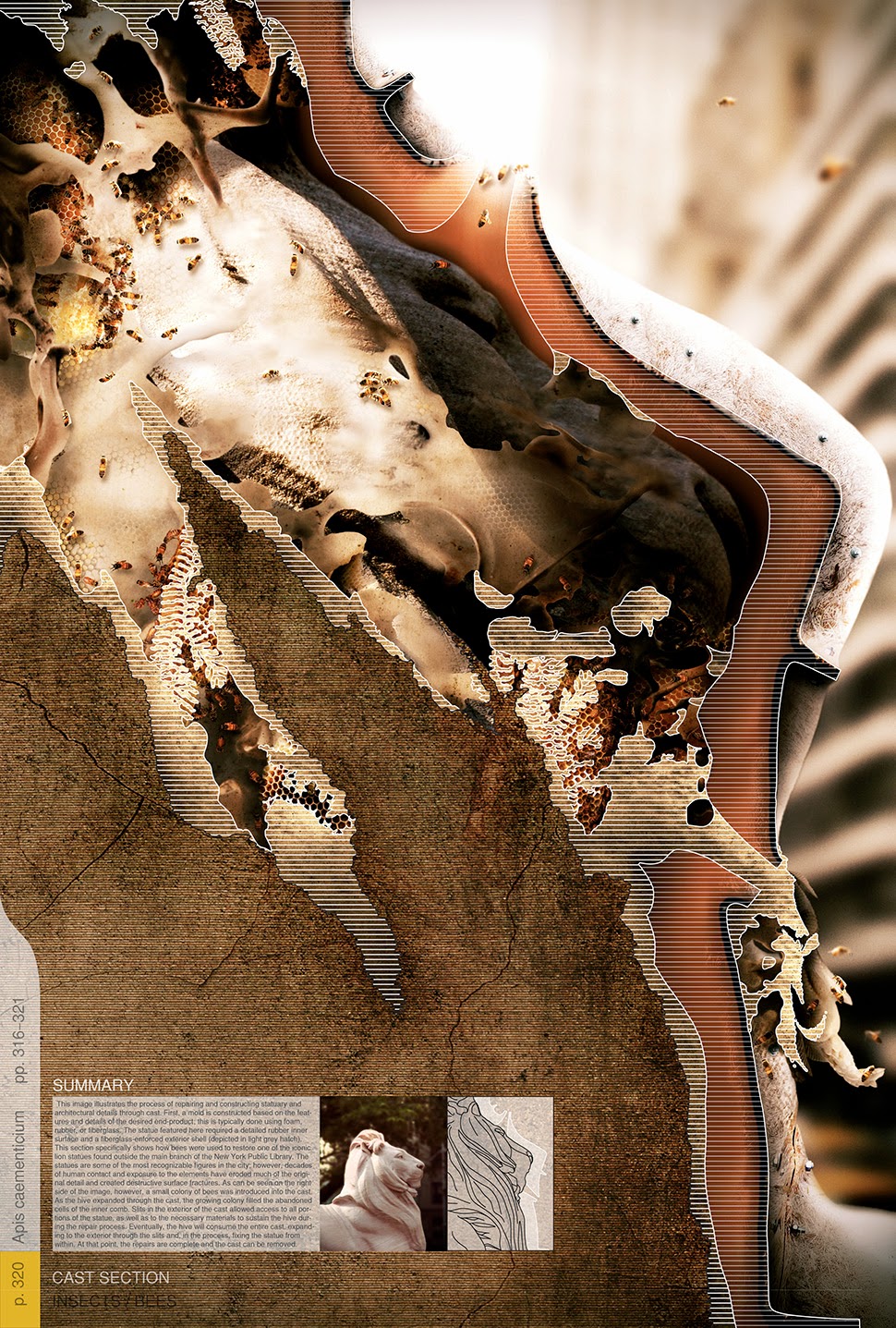
[Image: By John Becker].

Yet tidy plots such as these invariably spin out of control and things don’t quite go as planned.

Feral Printers

Predictably, these concrete bees eventually escape: first just a few here and there, but then an upstart colony takes hold elsewhere in the city. They breed, speciate, and expand.

Within a few years, as the bees reproduce and thrive, and as their increasingly far-flung colonies grow, people become aware of the scale of the problem: rogue 3D-printing bees have begun to infest the region.

[Image: By John Becker].

They print where they shouldn’t print and, without the direction of their carefully made formwork and molds, what they produce often makes no sense.

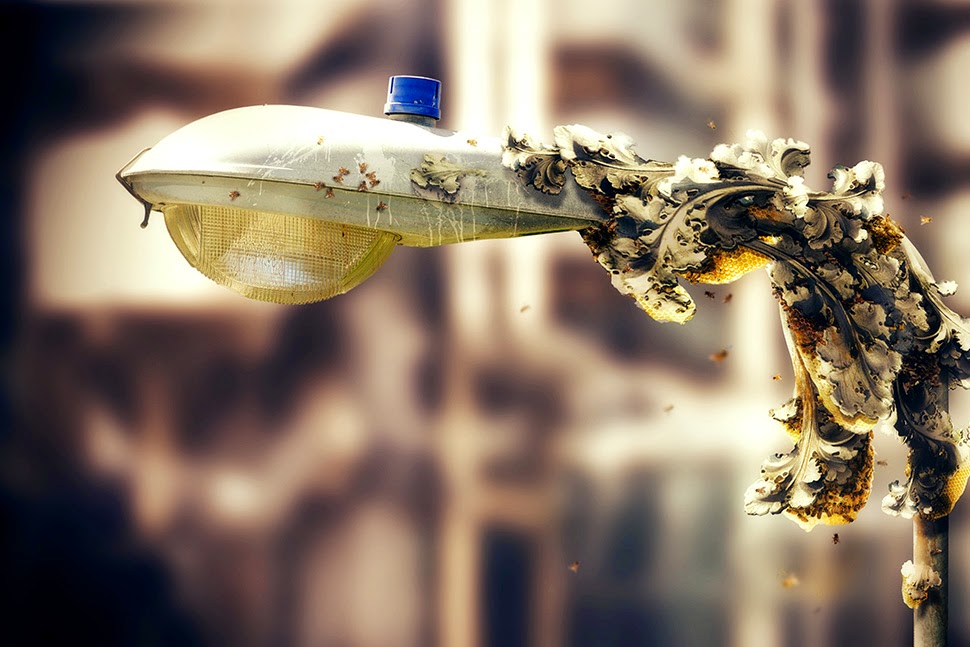
They print on signs and phone poles; they take over parks and gardens where they print strange forms on flowers, sealing orchids and roses in masonry shells. Bizarre gardens of hardened geometry form on windowsills and ledges, deep in urban forests and along railways and roads.

[Image: By John Becker].

Tiny fragments of concrete can soon be seen atop plants and door frames, beneath cars and on chain-link fences, coiling up and consuming the sides of structures where they were never meant to be, like kudzu; and, of course, strange bee bodies are found now and again, these little concrete-laden corpses lying in the deep grass of backyards, on parking lots and rooftops.

[Image: By John Becker].

Their fallen bodies, augmented and extraordinary, thus dot the very city they’ve also beautified and improved—this place where they once printed church steeples and apartment ornament, where they fixed cracked statues, sidewalks, and walls.

Of course, other, more adventurous or simply disoriented bees make their way further, hitching inadvertent rides in the holds of planes and cargo ships, mistakenly joining other hives then shipped around the world.

The bees are soon found in Europe, China, and—for reasons never quite clear to materials scientists—throughout India, where, as in the sample image below, they can be seen adding unnecessary ornamentation to temples in Rajasthan. Swarming and uncountable, they busily speck the outside of the building with bulbous and tumid additions no architect would ever have planned.
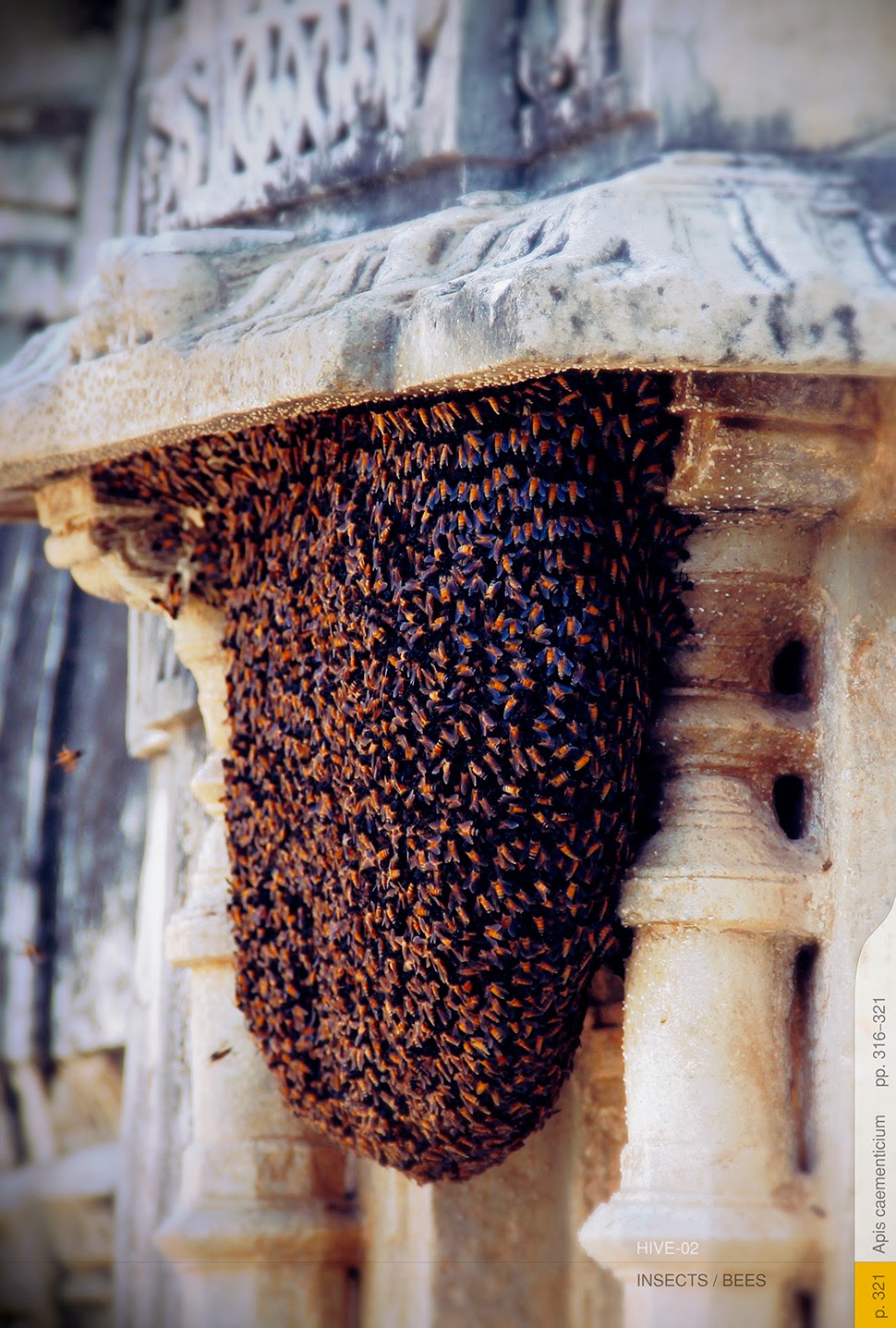
[Image: By John Becker].

As the bees speciate yet further, and their concrete itself begins to mutate—in some cases, so hard it can only be removed by the toughest drills and demolition equipment, other times more like a slow-drying sandstone incapable of achieving any structure at all—this experiment in animal printheads, these living 3D printers producing architecture and industrial objects, comes to end.

A Bee Amidst The Machines

Most designers learn from the—in retrospect—obvious mistakes that led to these feral printers, returning to more easily controlled inorganic factories and industrial processes. But, even then, on quiet spring days, a tiny buzzing sound can occasionally be heard beneath someone’s front porch, out in the suburban gardens somewhere, deep inside National Parks, and even inside huge machines, where whole automobile assembly lines come shuddering to a halt.

There, within the gears, just doing what it’s used to doing—what we made it do—a tiny family of 3D-printing bees has taken root, leaving errant clumps of concrete wherever they alight.

(Thanks to John Becker for the fun. An earlier version of this post was previously published on Gizmodo).

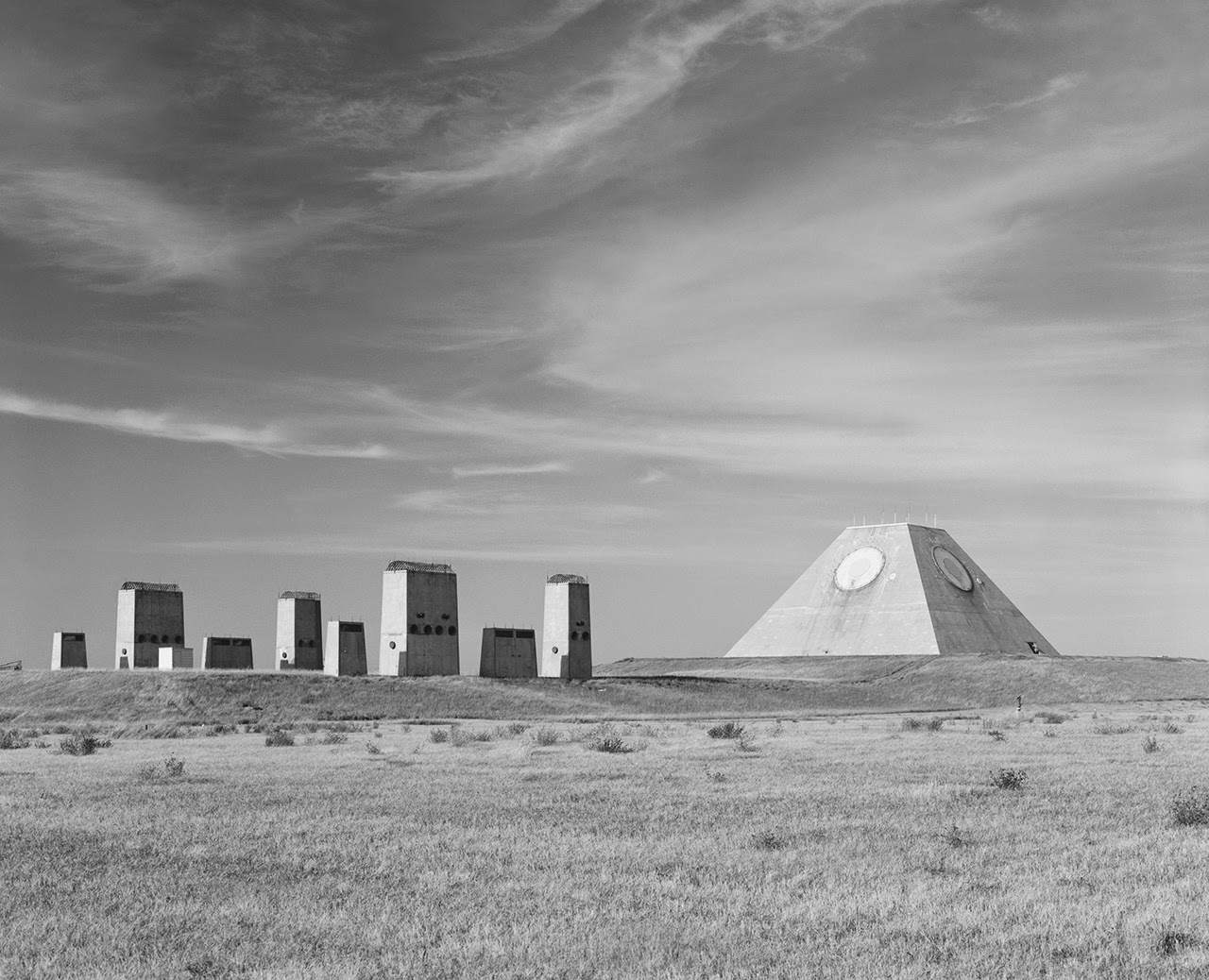
A Pyramid in the Middle of Nowhere Built to Track the End of the World

[Image: Photo by Benjamin Halpern, courtesy of the U.S. Library of Congress].
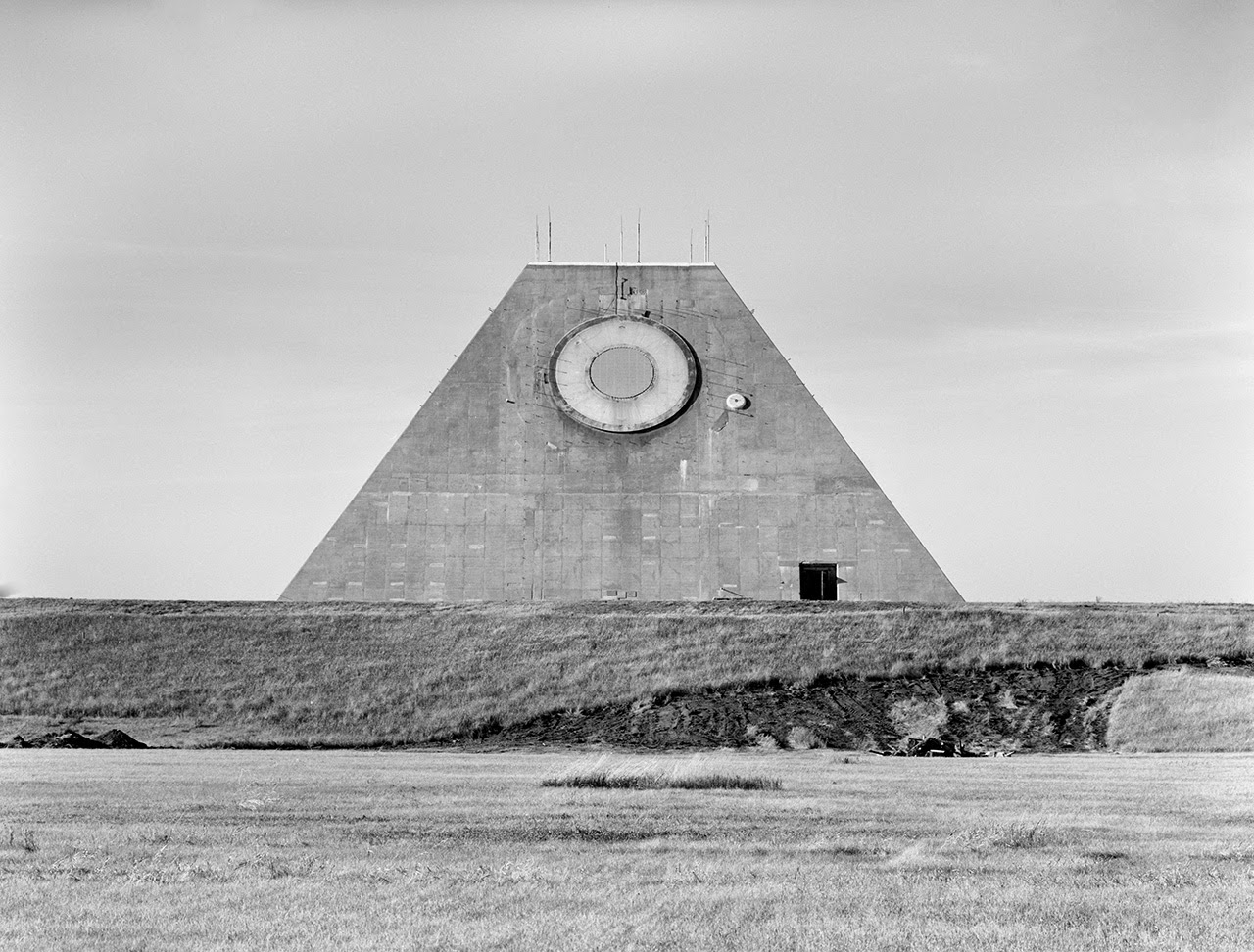
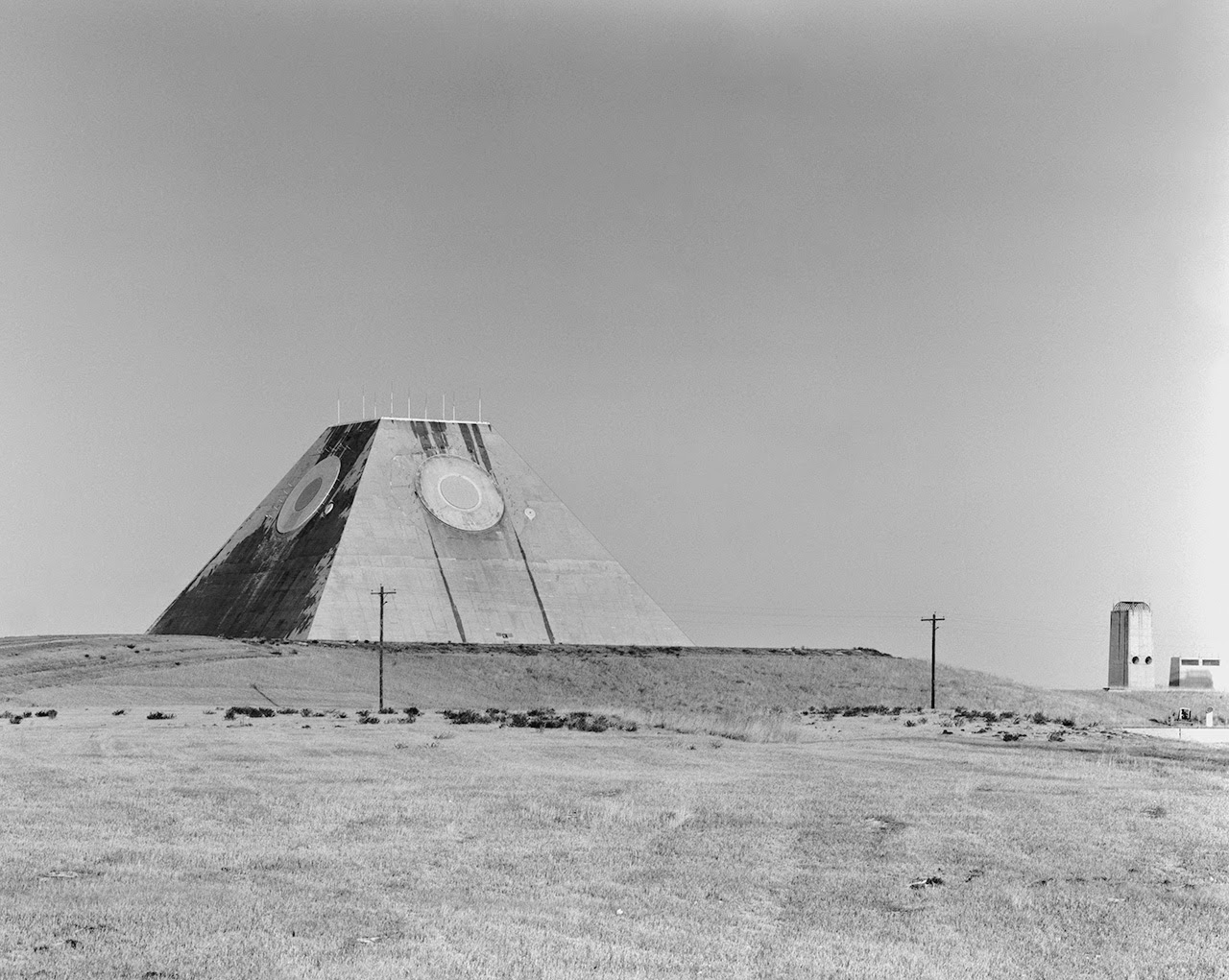
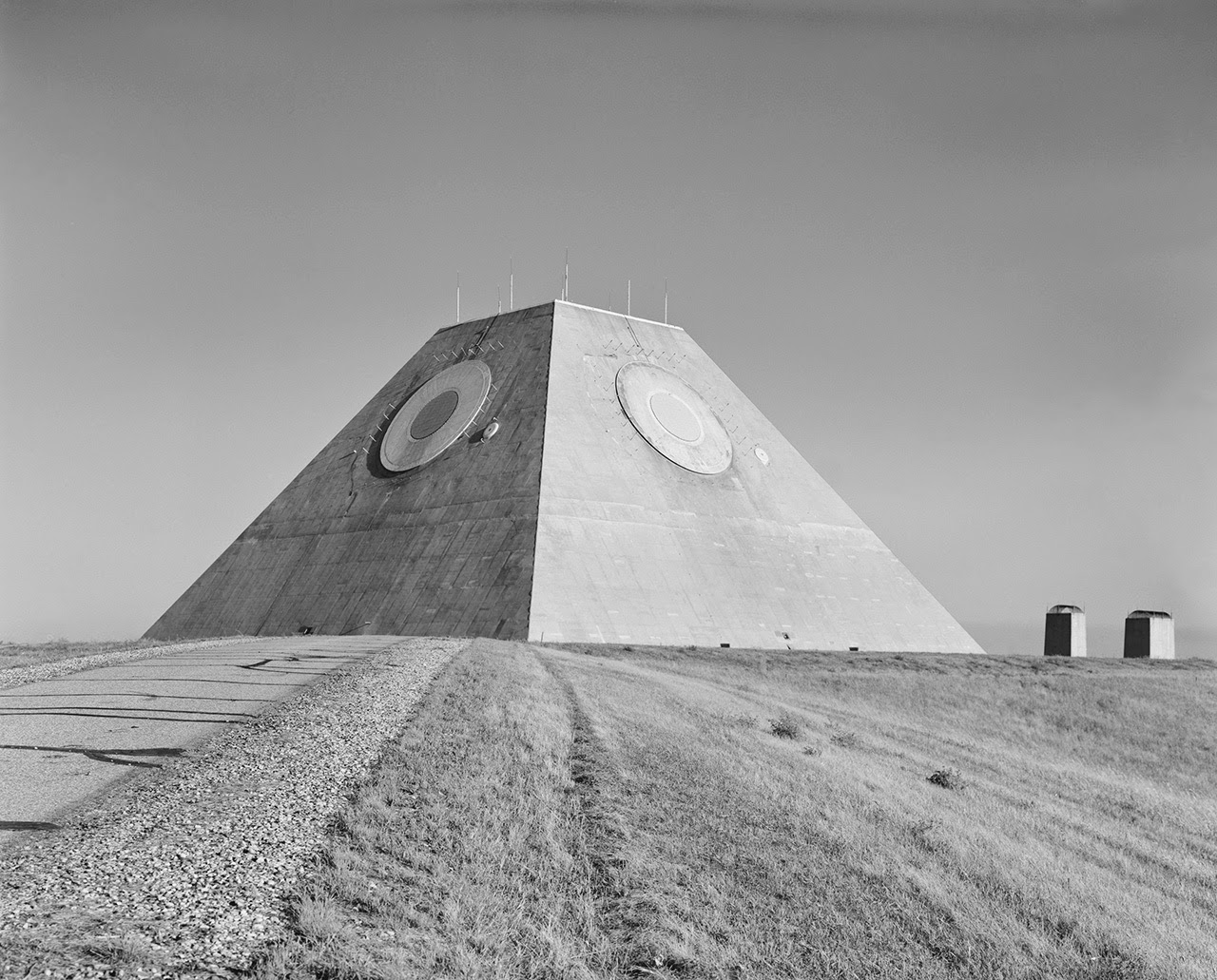
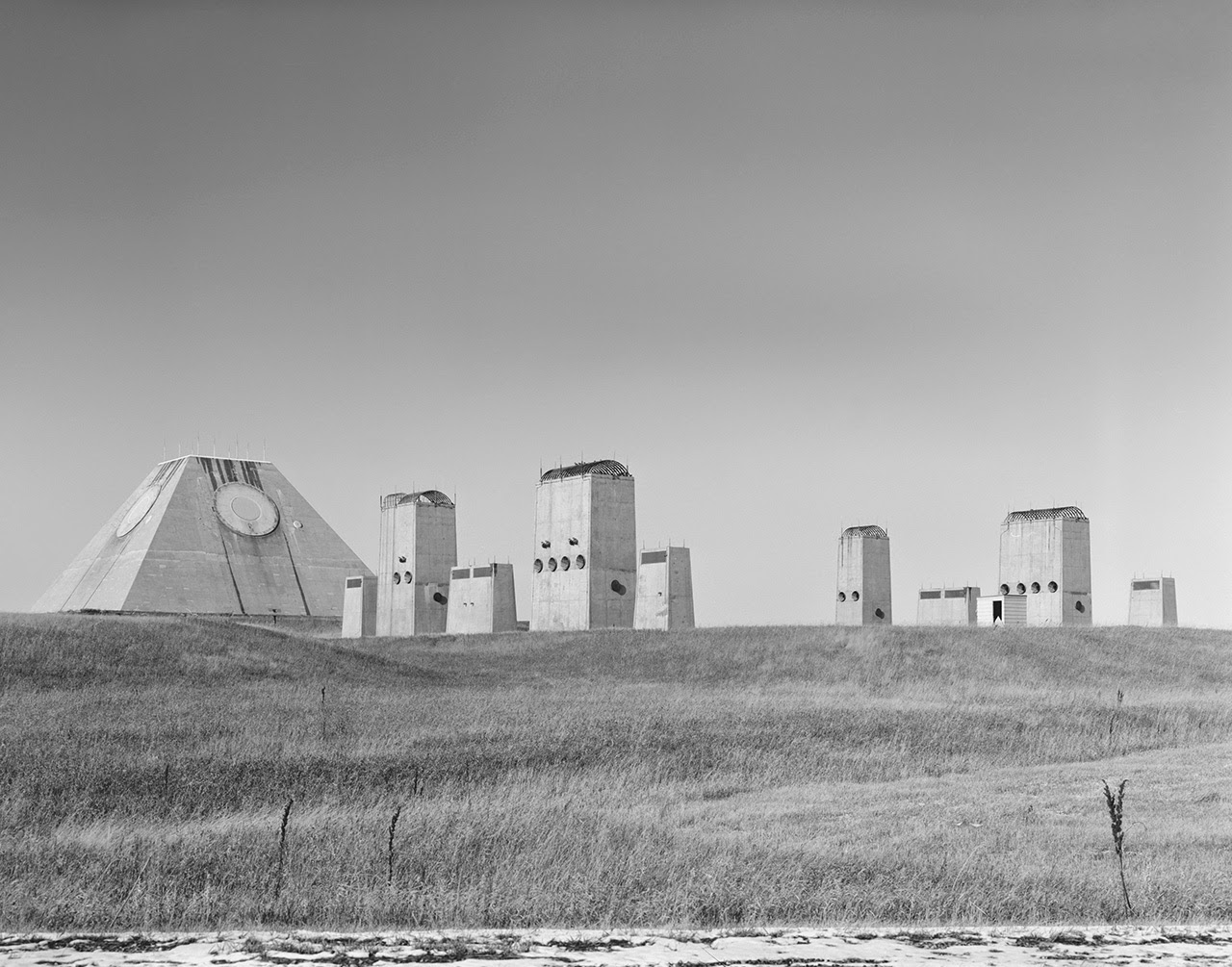
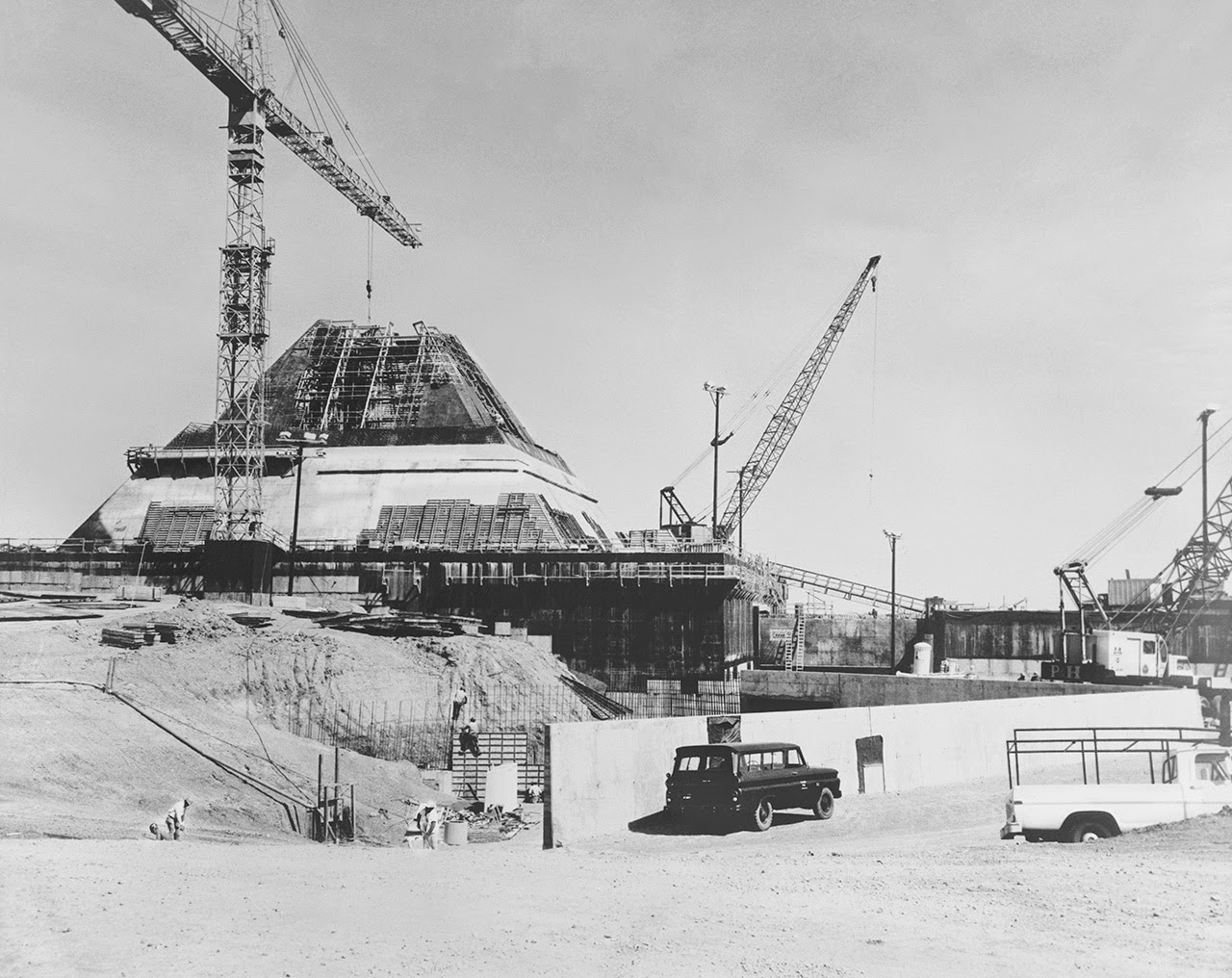
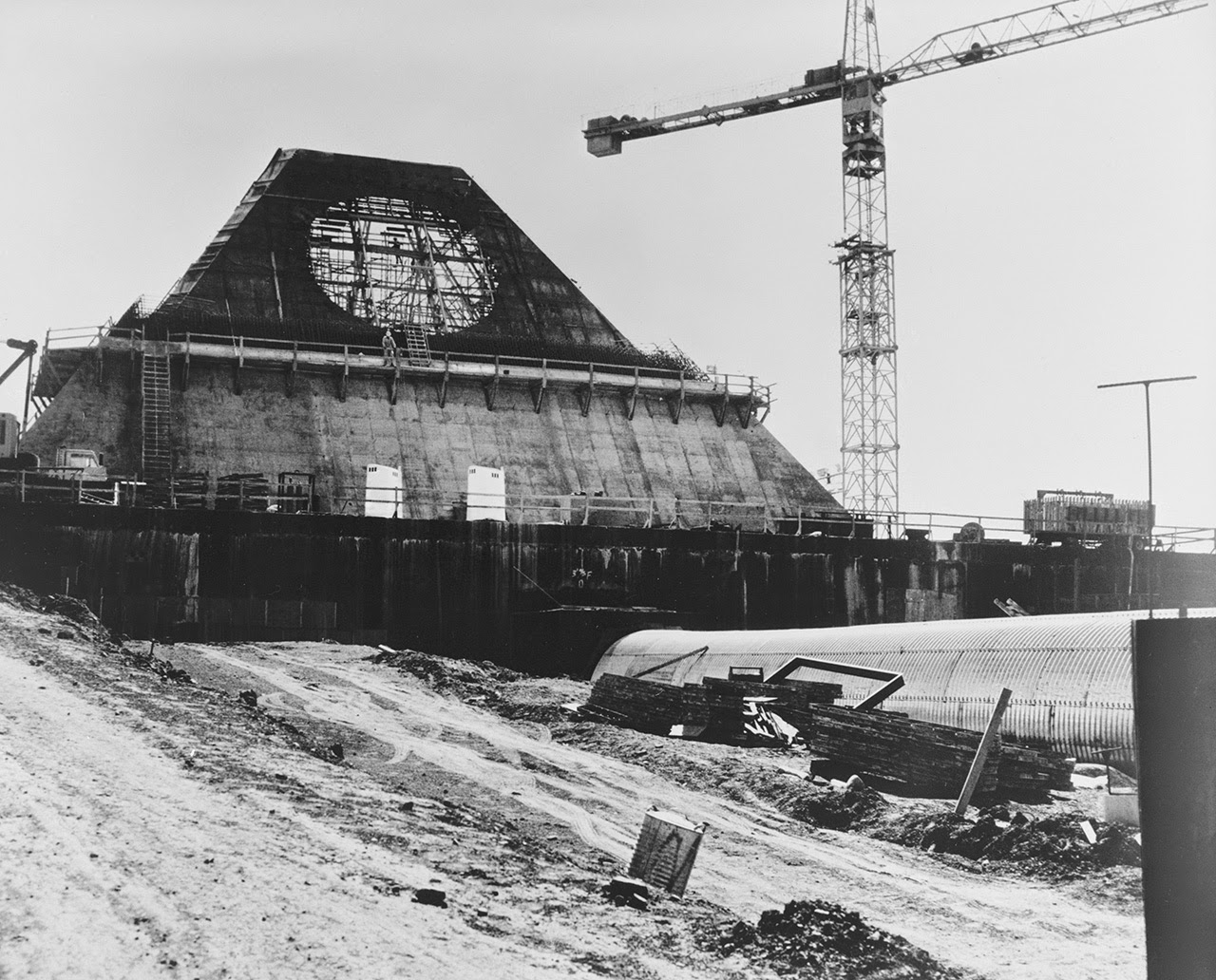
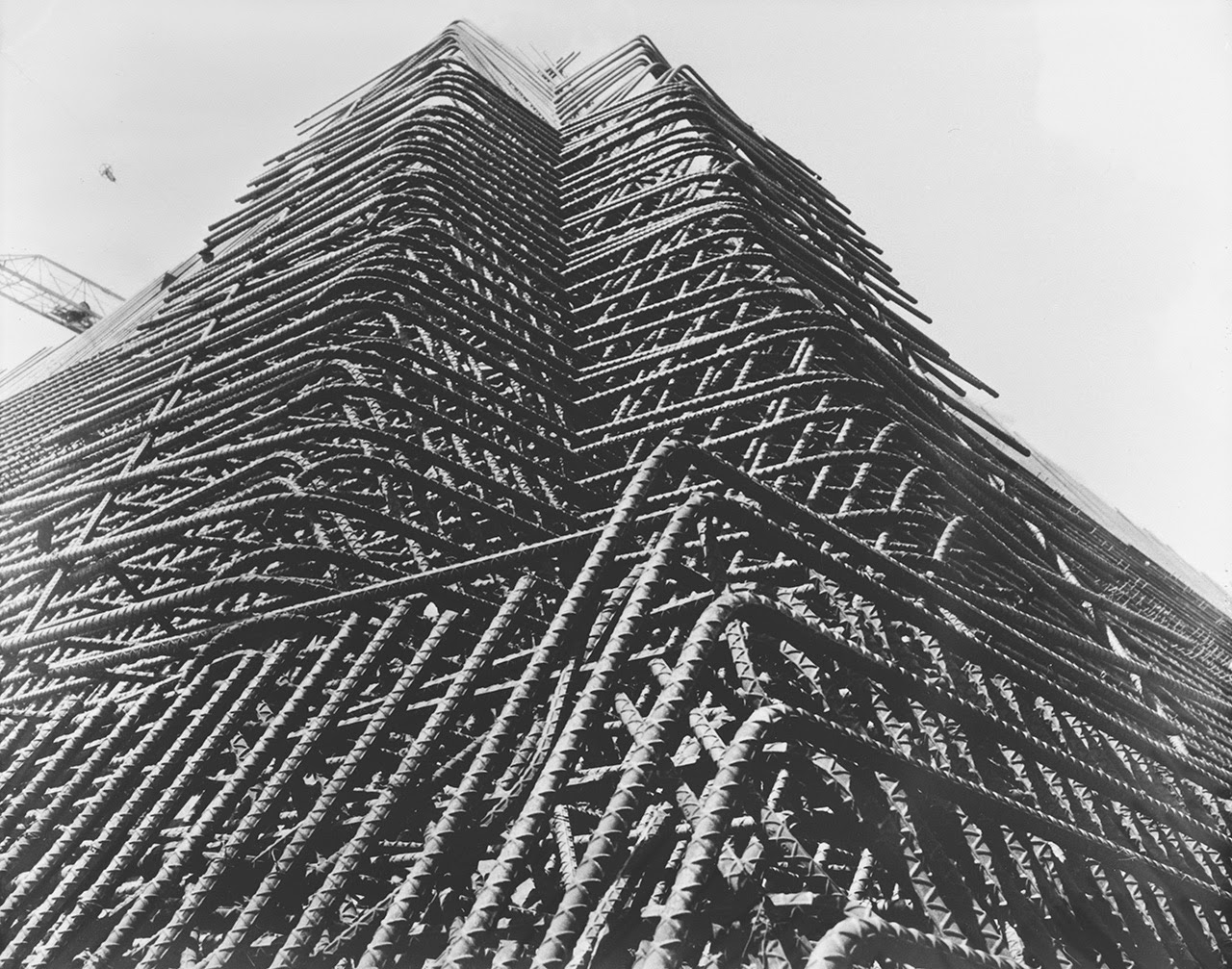
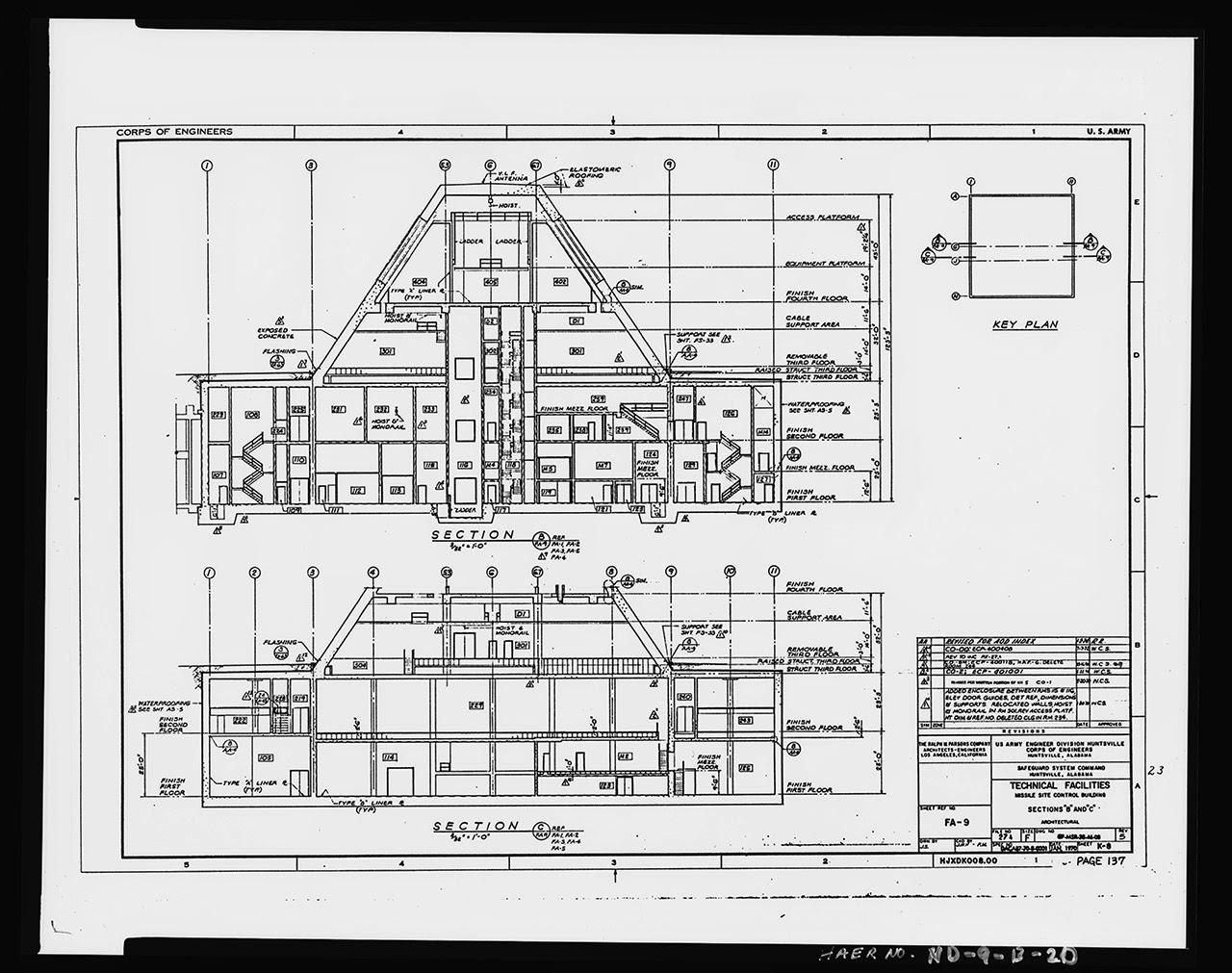
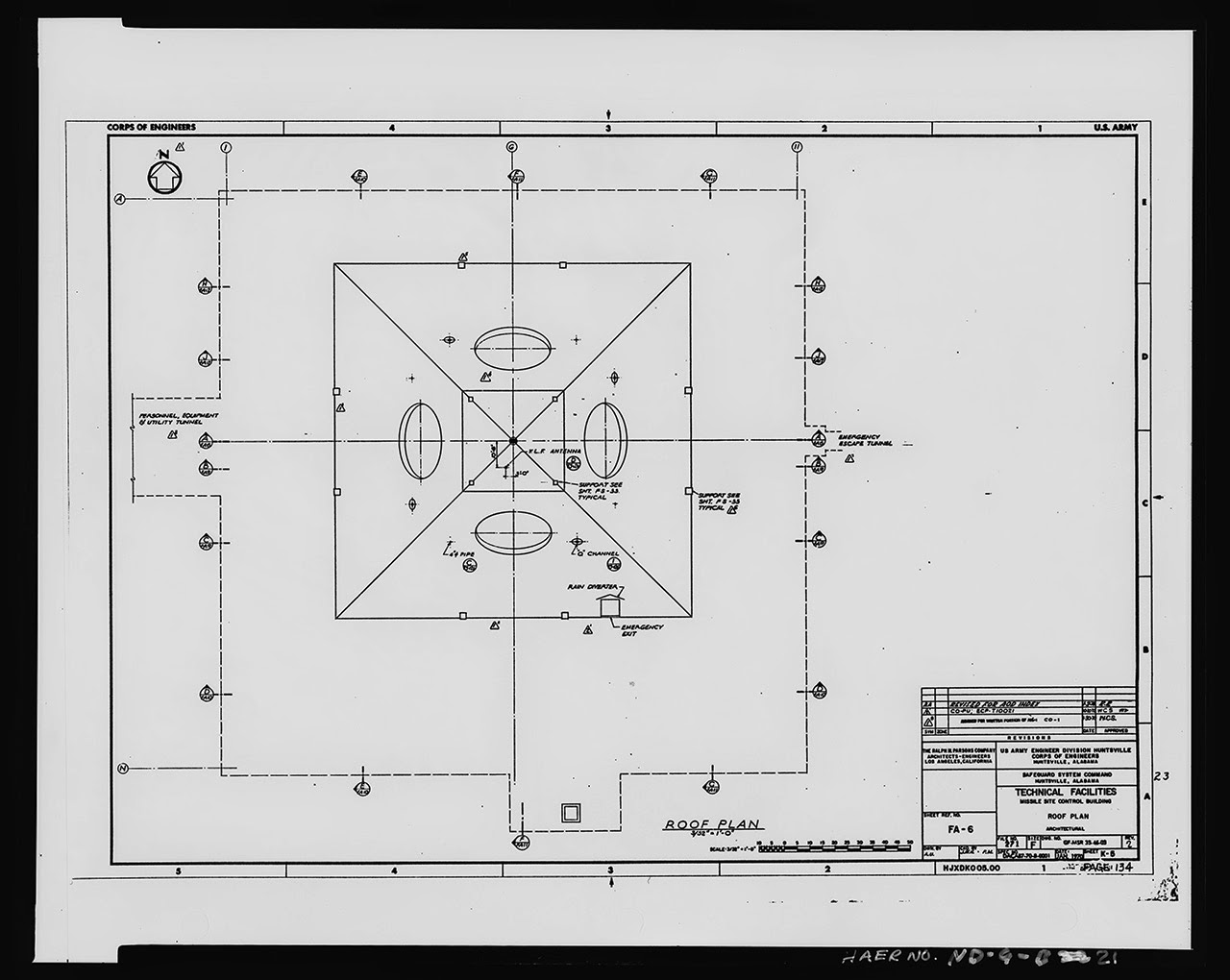
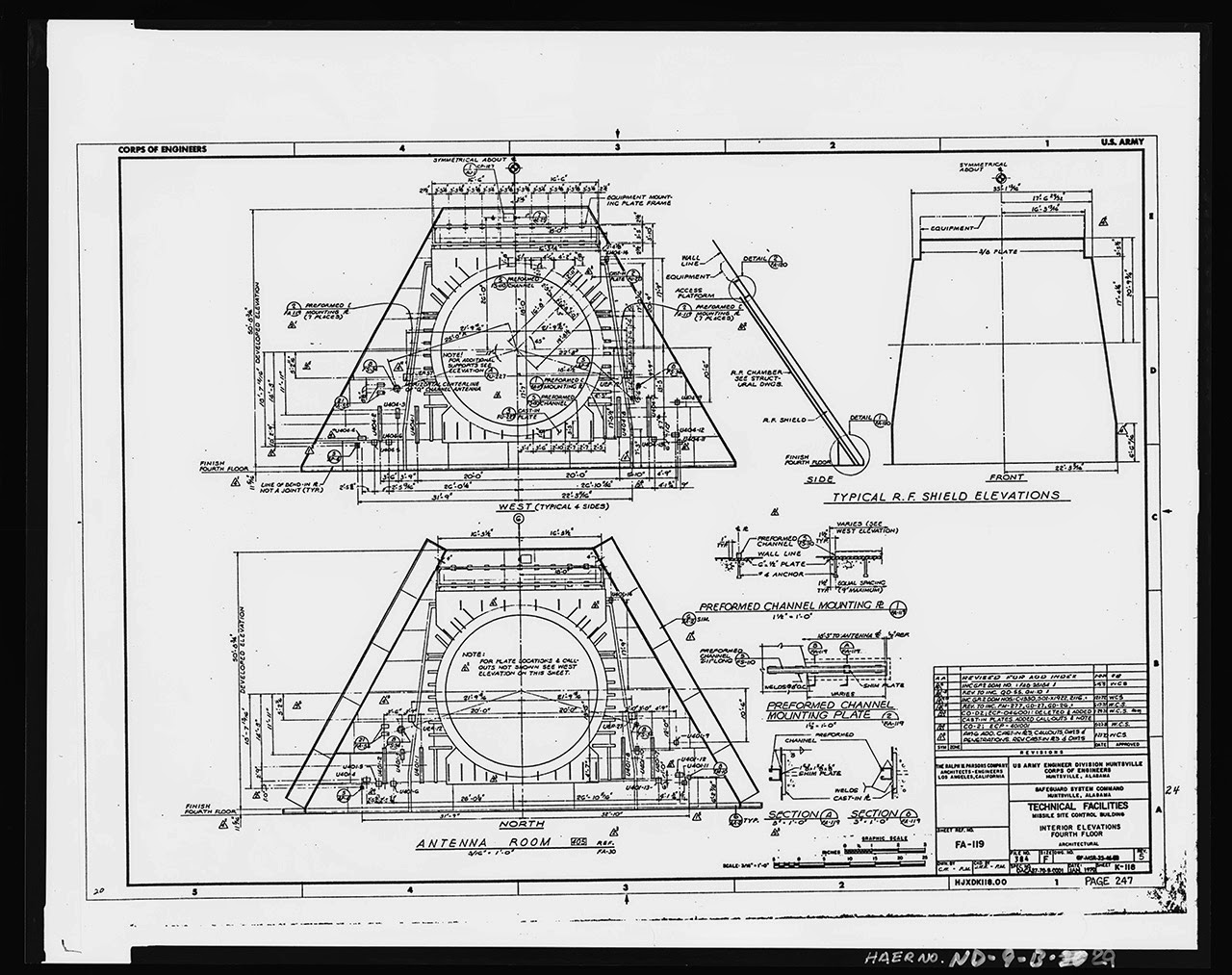
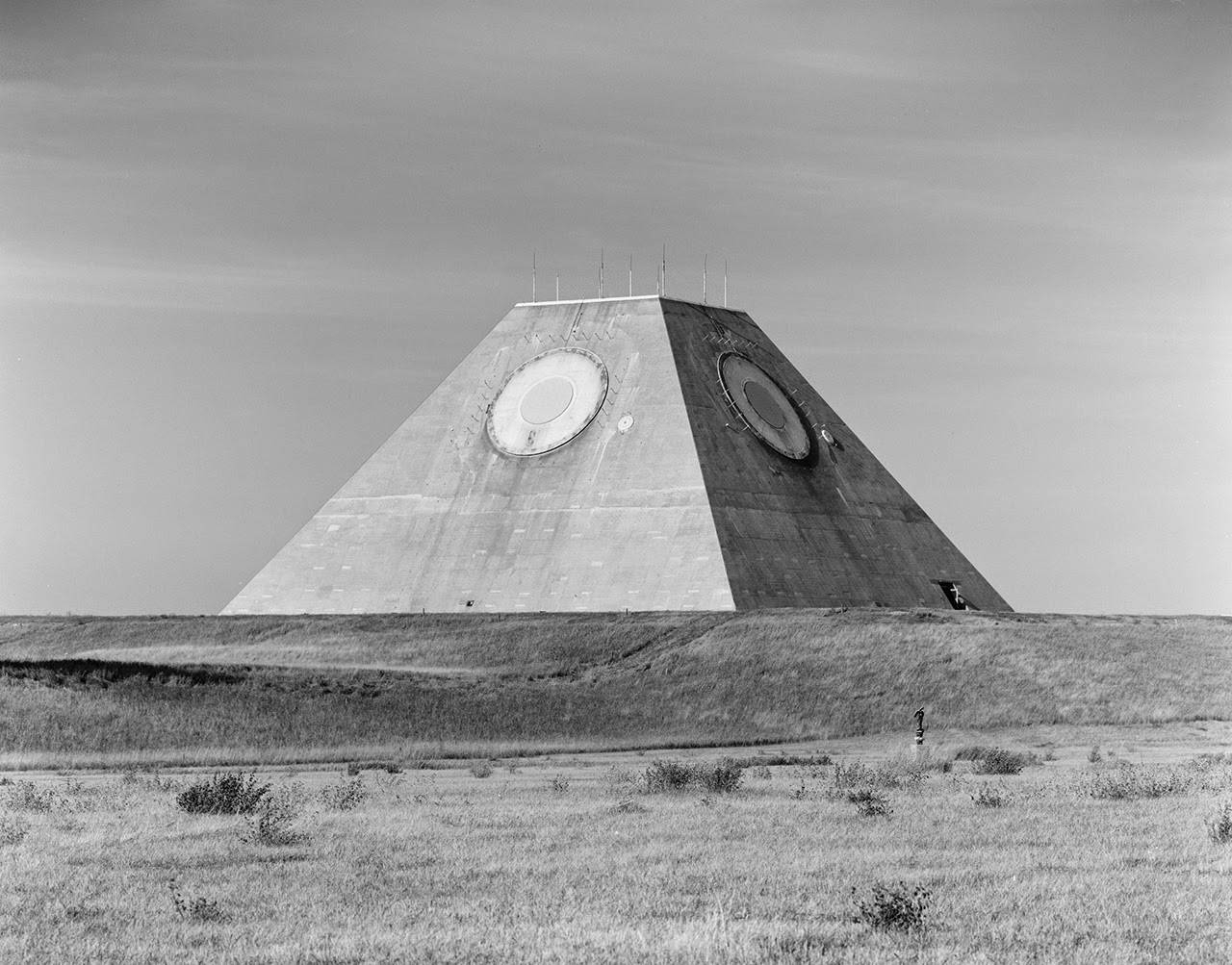
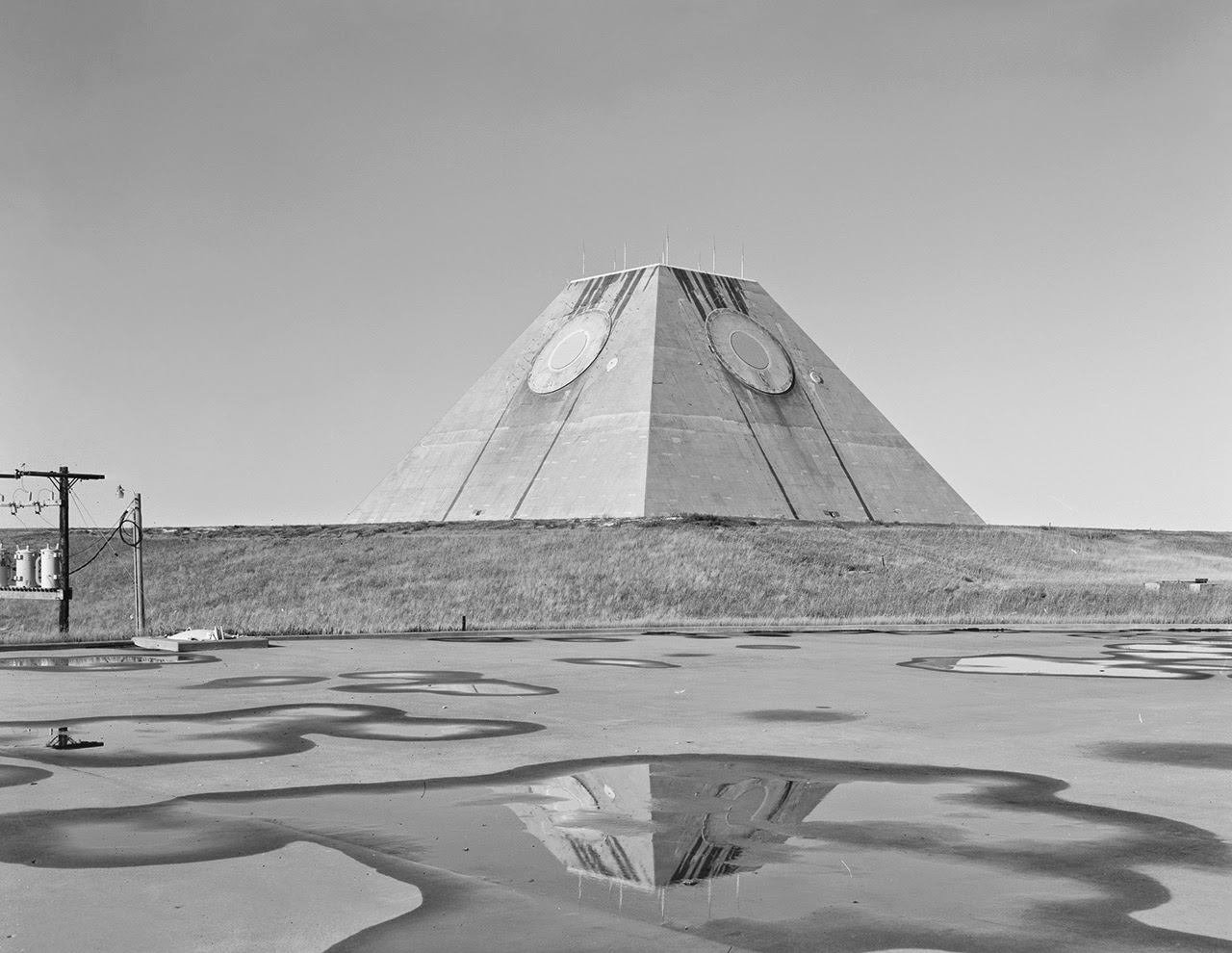
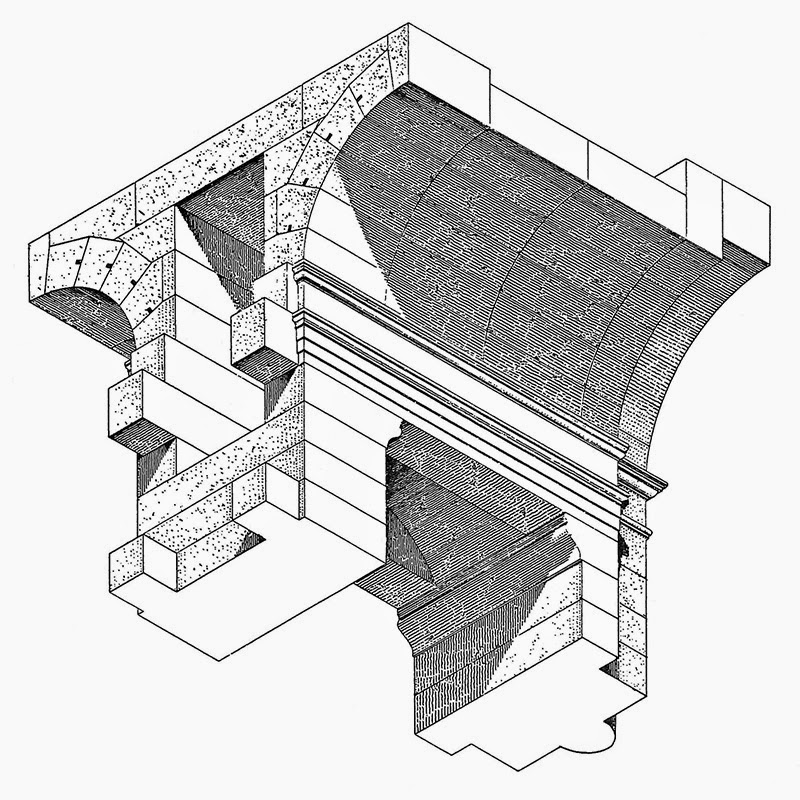
The Stanley R. Mickelsen Safeguard Complex in Cavalier County, North Dakota, is the focus of an amazing set of images hosted by the U.S. Library of Congress, showing this squat and evocative megastructure in various states of construction and completion.

It’s a huge pyramid in the middle of nowhere tracking the end of the world on radar, an abstract geometric shape beneath the sky without a human being in sight, or it could even be the opening scene of an apocalyptic science fiction film—but it’s just the U.S. military going about its business, building vast and other-worldly architectural structures that the civilian world only rarely sees.

[Images: Photos by Benjamin Halpern, courtesy of the U.S. Library of Congress].

As Pruned described these structures back in 2008, it was a “mastaba-shaped radar facility reminiscent of the work of architect Étienne-Louis Boullée.”

As such, Pruned suggests, it offers convincing architectural evidence that we should consider “the “U.S. anti-ballistic landscape as a subset of Land Art”—as lonely pieces of abandoned infrastructure isolated amidst sublime and almost unreachably remote locations.

[Images: Photos by Benjamin Halpern, courtesy of the U.S. Library of Congress].

The photos seen here, taken for the U.S. government by photographer Benjamin Halpern, show the central pyramid—pyramid, monument, modular obelisk: whatever you want to call it—that served as the site’s missile-tracking station. Its omnidirectional all-seeing white circles stared endlessly at invisible airborne objects moving beyond the horizon.

The Library of Congress gives the pyramid’s location somewhat absurdly as “Northeast of Tactical Road; southeast of Tactical Road South.” In other words, it’s ensconced somewhere in a maze of self-reference and tautology, perhaps deliberately obscuring exactly how you’re meant to arrive at this place.

[Image: Photo by Benjamin Halpern, courtesy of the U.S. Library of Congress].
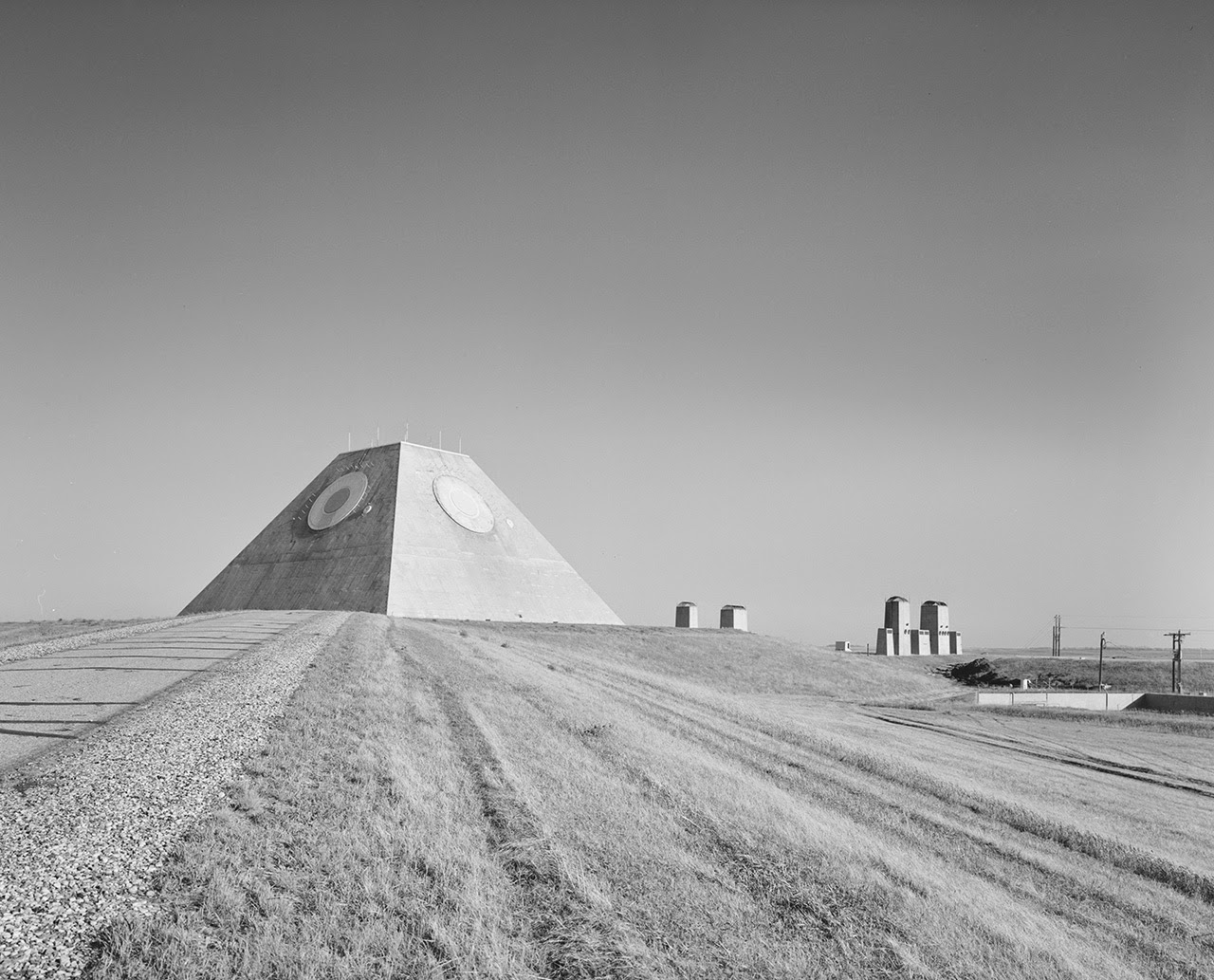
Yet the pyramid has become something of a roadtripper’s delight in the last decade or two. When I initially published a slightly different version of this post on Gizmodo, commenters from around the world jumped in with their own photos and memories of driving hours out of their way to find these military ruins looming spookily on the horizon.

Most if not all of them then discovered that it was as easy as simply saying hello to the guard, walking unencumbered through the front gate, and then hanging out for hours, running up the side of the pyramid, taking pictures against the North Dakota sky, and enjoying this American Giza as a peculiarly avant-garde site for an afternoon picnic.

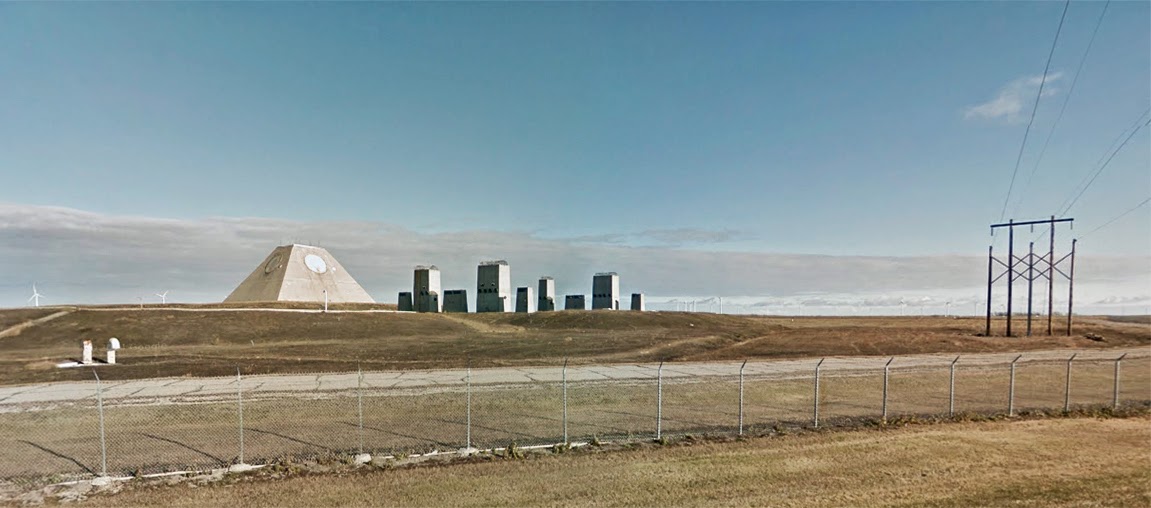
You can even see the structures, arranged like some ritual sequence of spatial objects—a chapel of radar aligned with war—on Google Street View.

[Image: The pyramid, seen somewhat jarringly in full color, via Google Street View].

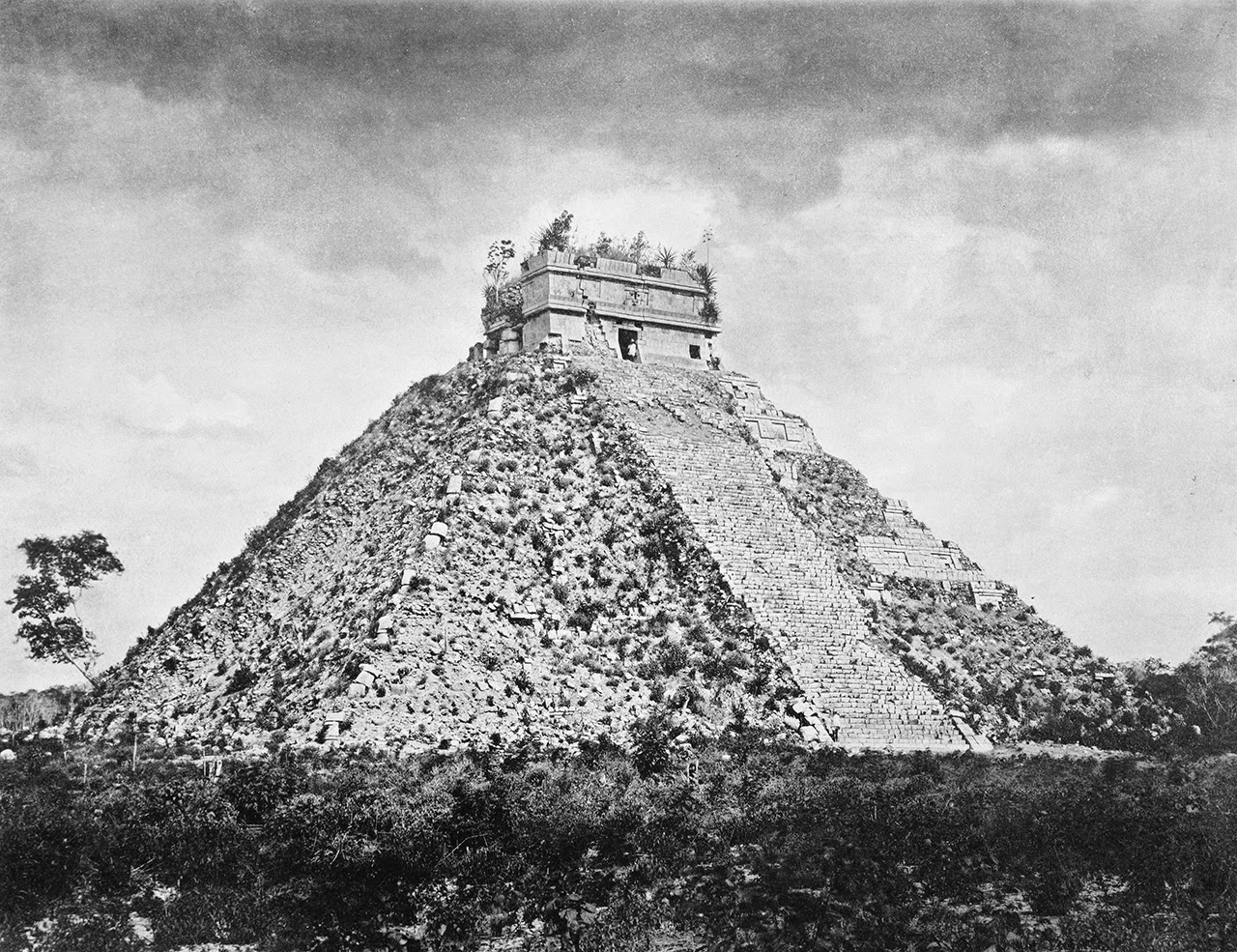
One thing I like so much about these shots is how they resemble early expeditionary photos of the hulking Mayan ruins found at Chichén Itzá.

Check out these comparative shots, for example, where the latter image was taken by photographer Henry Sweet during a 19th-century archaeological journey led by Alfred P. Maudslay. The photo was featured as part of an exhibition at the University of North Carolina back in 2007.

[Images: (top) Photo by Benjamin Halpern, courtesy of the U.S. Library of Congress; (bottom) photo by Henry Sweet, courtesy of the UNC-Chapel Hill].

Of course, there is nothing really to compare outside of their same overall geometry—yet it’s striking to consider the functional, if obviously metaphoric, similarities here as well. 

One structure was built as part of a kind of analogue system for tracking divine events and celestial calendars, as dark constellations of gods spun across the sky; the other was a temple to mathematics built for guiding and pinging missiles as they streaked horizon to horizon, a site of early warning against the apocalypse, as a new zodiac of nuclear warheads would burst open to shine their world-blinding light on the obliterated landscapes below. 

Trajectories, paths, horizons: both pyramids, in a sense, were architectural monuments for navigation of different kinds. Both timeless, strange, and seemingly inhuman: spatial artifacts of lost civilizations.

[Image: Photo by Benjamin Halpern, courtesy of the U.S. Library of Congress].

In any case, the original photos on the Library of Congress website are heavily specked with dust and some lens artifacts, but I’ve cleaned up my favorites and posted some of them here. 

[Images: Photos by Benjamin Halpern, courtesy of the U.S. Library of Congress].
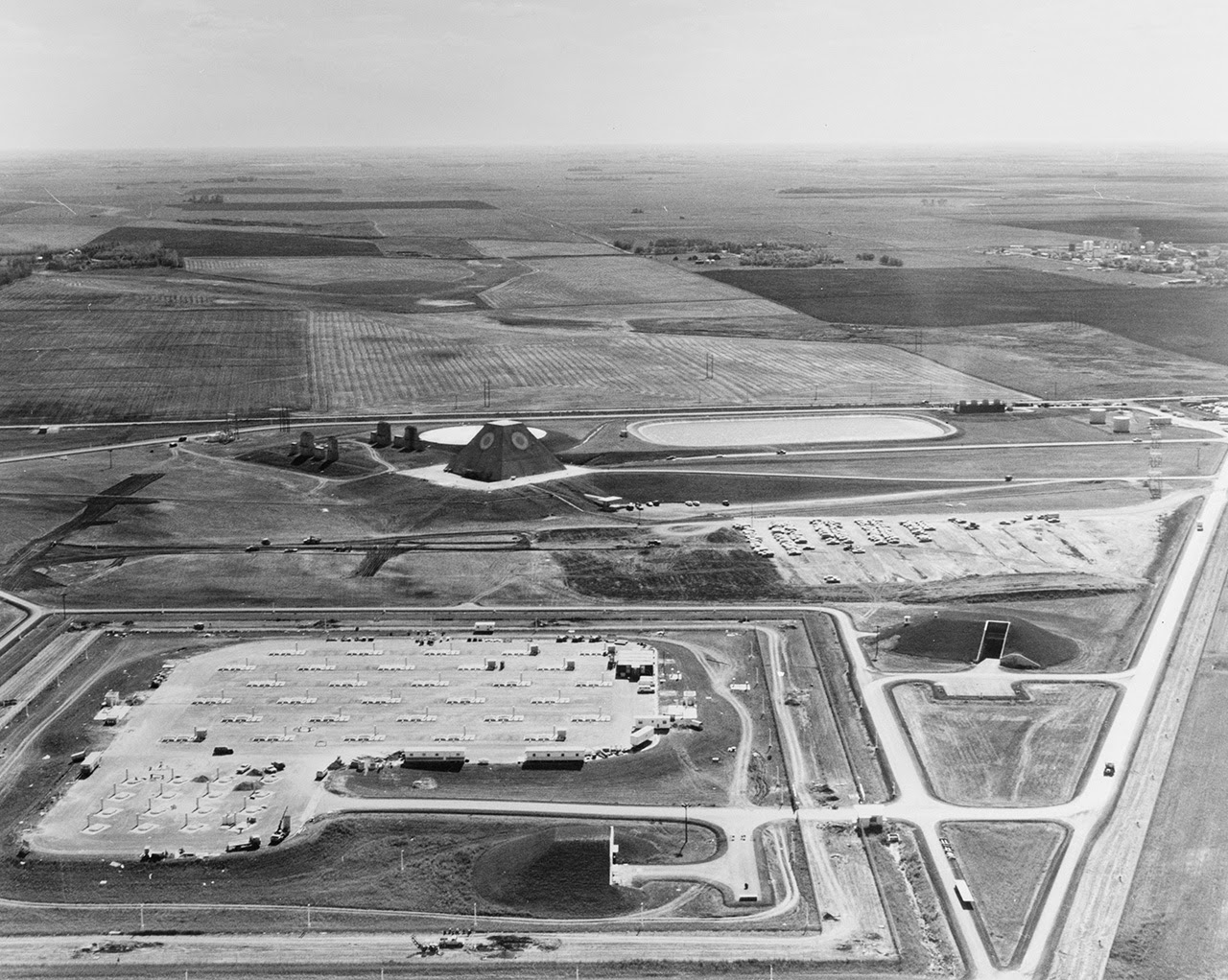
This is how modern-day pyramids are made: huge budgets and ziggurats of rebar, as tiny figures wearing hardhats scramble around amidst gargantuan geometric forms, checking diagrams against reality and trying not to think of the nuclear war this structure was being built to track.

[Images: Photos by Benjamin Halpern, courtesy of the U.S. Library of Congress].
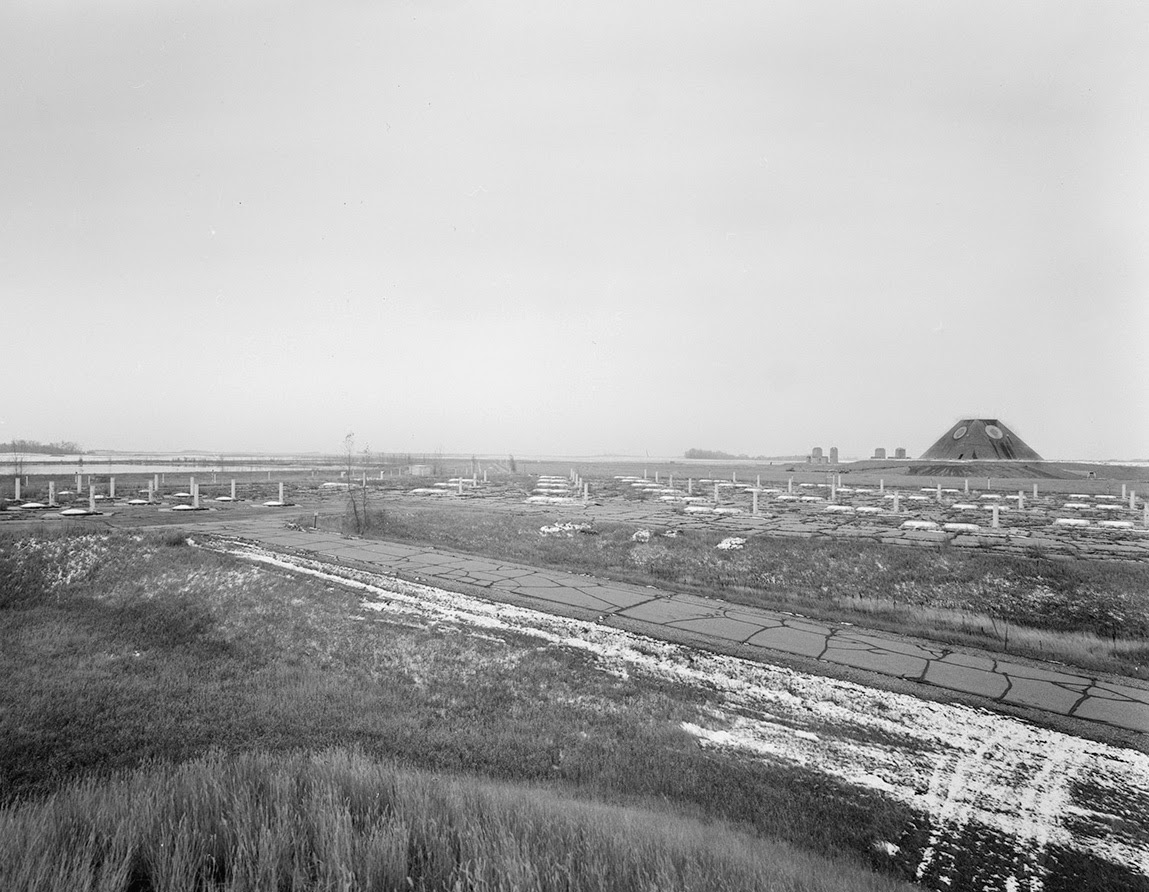
(An earlier version of this post previously appeared on Gizmodo).

Where Borders Melt

[Image: From Italian Limes. Photo by Delfino Sisto Legnani, courtesy of Folder].

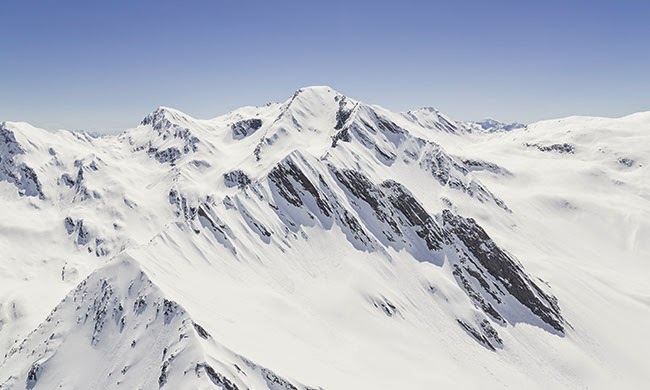
One of the most interesting sites from a course I taught several years ago at Columbia—Glacier, Island, Storm—was the glacial border between Italy and Switzerland.

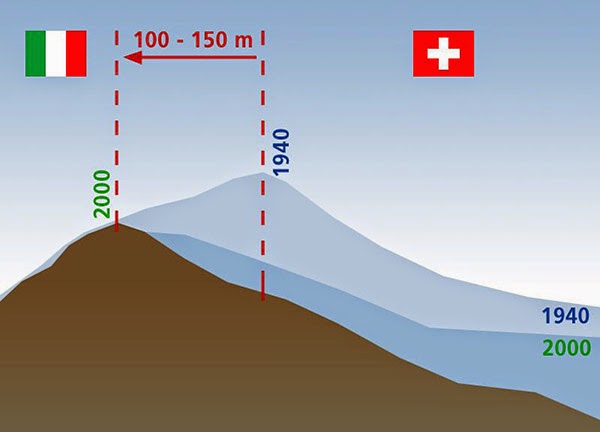
The border there is not, in fact, permanently determined, as it actually shifts back and forth according to the height of the glaciers.

This not only means that parts of the landscape there have shifted between nations without ever really going anywhere—a kind of ghost dance of the nation-states—but also that climate change will have a very literal effect on the size and shape of both countries.

[Image: Due to glacial melt, Switzerland has actually grown in size since 1940; courtesy swisstopo].

This could result in the absurd scenario of Switzerland, for example, using its famed glacier blankets, attempting to preserve glacial mass (and thus sovereign territory), or it might even mean designing and cultivating artificial glaciers as a means of aggressively expanding national territory.

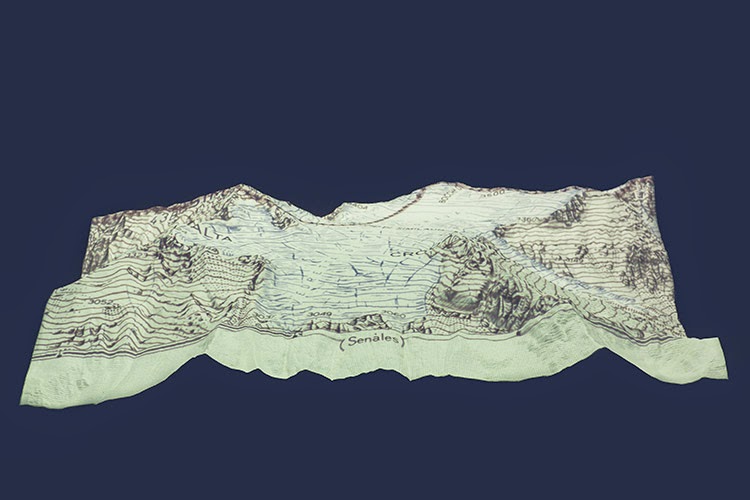
As student Marissa Looby interpreted the brief, there would be small watchtowers constructed in the Alps to act as temporary residential structures for border scientists and their surveying machines, and to function as actual physical marking systems visible for miles in the mountains, somewhere between architectural measuring stick for glacial growth and modular micro-housing.

But the very idea that a form of thermal warfare might break out between two countries—with Switzerland and Italy competitively growing and preserving glaciers under military escort high in the Alps—is a compelling (if not altogether likely) thing to consider. Similarly, the notion that techniques borrowed from landscape and architectural design could be used to actually make countries bigger—eg. through the construction of glacier-maintenance structures, ice-growing farms, or the formatting of the landscape to store seasonal accumulations of snow more effectively—is absolutely fascinating.

[Images: From Italian Limes. Photos by Delfino Sisto Legnani, courtesy of Folder].

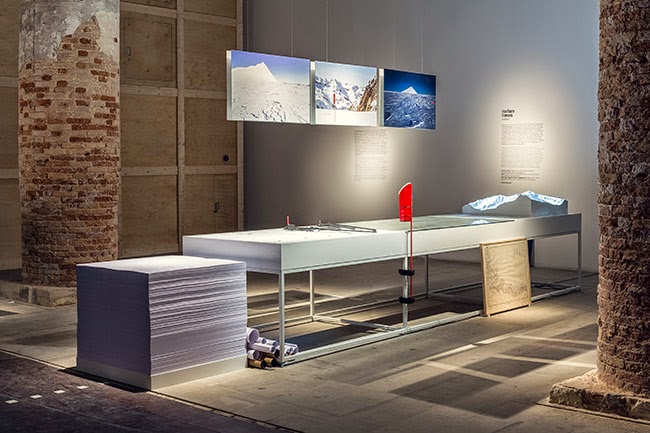
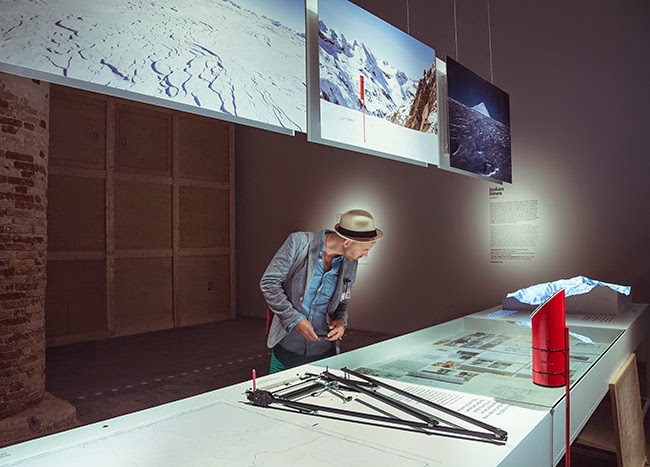
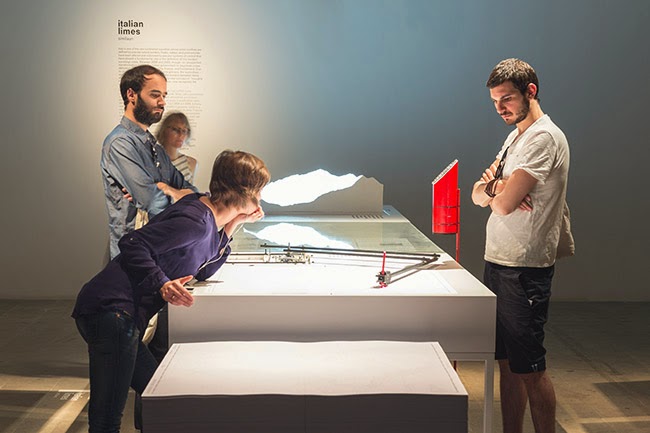
I was thus interested to read about a conceptually similar but otherwise unrelated new project, a small exhibition on display at this year’s Venice Biennale called—in English, somewhat unfortunately—Italian Limes, where “Limes” is actually Latin for limits or borders (not English for a small acidic fruit). Italian Limes explores “the most remote Alpine regions, where Italy’s northern frontier drifts with glaciers.”

In effect, this is simply a project looking at this moving border region in the Alps from the standpoint of Italy.

[Image: From Italian Limes. Photo by Delfino Sisto Legnani, courtesy of Folder].

As the project description explains, “Italy is one of the rare continental countries whose entire confines are defined by precise natural borders. Mountain passes, peaks, valleys and promontories have been marked, altered, and colonized by peculiar systems of control that played a fundamental role in the definition of the modern sovereign state.”

[Images: From Italian Limes. Photos by Delfino Sisto Legnani, courtesy of Folder].

However, they add, between 2008 and 2009, Italy negotiated “a new definition of the frontiers with Austria, France and Switzerland.”

Due to global warming and and shrinking Alpine glaciers, the watershed—which determines large stretches of the borders between these countries—has shifted consistently. A new concept of movable border has thus been introduced into national legislation, recognizing the volatility of any watershed geography through regular alterations of the physical benchmarks that determine the exact frontier.

[Images: From Italian Limes. Photos by Delfino Sisto Legnani, courtesy of Folder].

The actual project that resulted from this falls somewhere between landscape surveying and technical invention—and is a pretty awesome example of where territorial management, technological databases, and national archives all intersect:

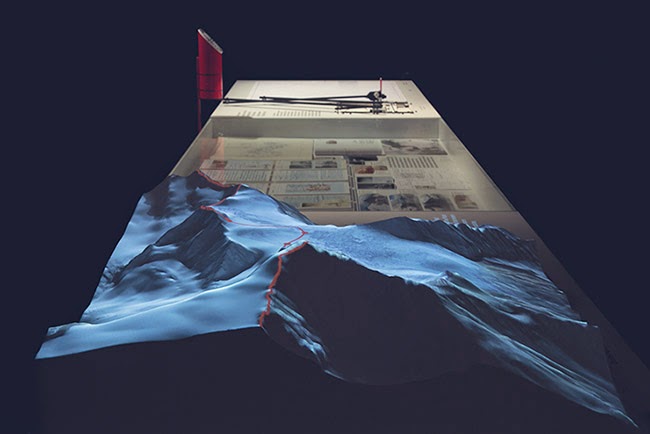
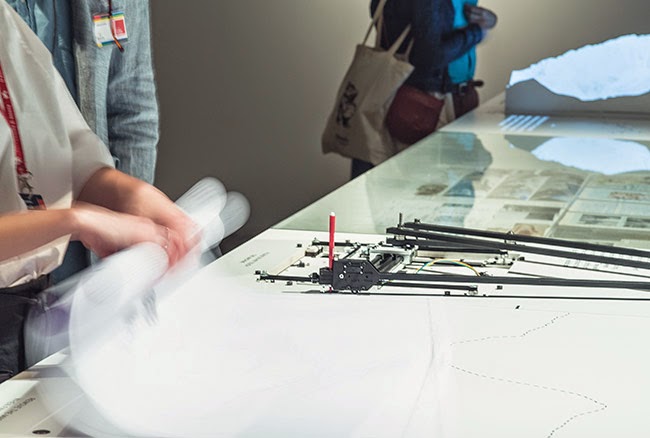
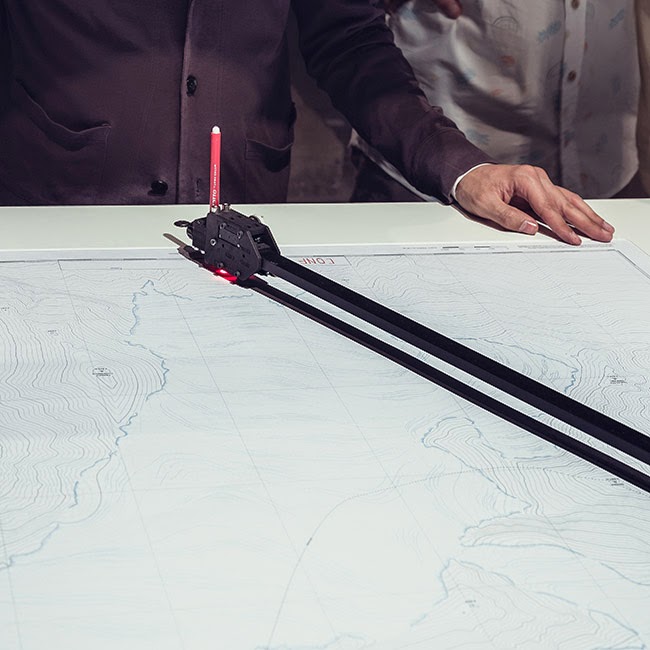
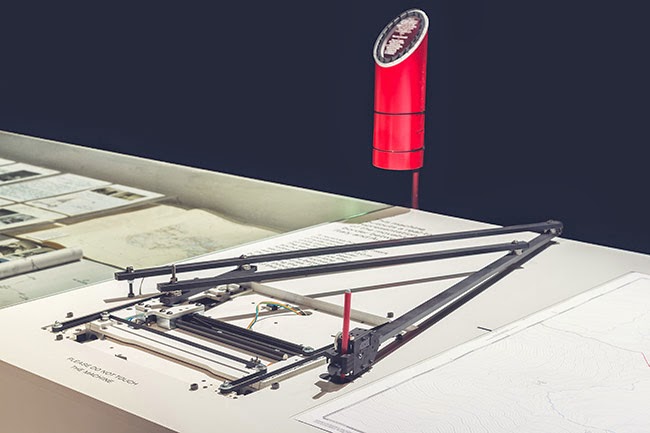
On May 4th, 2014, the Italian Limes team installed a network of solar-powered GPS units on the surface of the Similaun glacier, following a 1-km-long section of the border between Italy and Austria, in order to monitor the movements of the ice sheet throughout the duration of the exhibition at the Corderie dell’Arsenale. The geographic coordinates collected by the sensors are broadcasted and stored every hour on a remote server via a satellite connection. An automated drawing machine—controlled by an Arduino board and programmed with Processing—has been specifically designed to translated the coordinates received from the sensors into a real-time representation of the shifts in the border. The drawing machine operates automatically and can be activated on request by every visitor, who can collect a customized and unique map of the border between Italy and Austria, produced on the exact moment of his [or her] visit to the exhibition.

The drawing machine, together with the altered maps and images it produces, are thus meant to reveal “how the Alps have been a constant laboratory for technological experimentation, and how the border is a compex system in evolution, whose physical manifestation coincides with the terms of its representation.”

The digital broadcast stations mounted along the border region are not entirely unlike Switzerland’s own topographic markers, over 7,000 “small historical monuments” that mark the edge of the country’s own legal districts, and also comparable to the pillars or obelisks that mark parts of the U.S./Mexico border. Which is not surprising: mapping and measuring border is always a tricky thing, and leaving physical objects behind to mark the route is simply one of the most obvious techniques.

As the next sequence of images shows, these antenna-like sentinels stand alone in the middle of vast ice fields, silently recording the size and shape of a nation.

[Images: From Italian Limes. Photos by Delfino Sisto Legnani, courtesy of Folder].

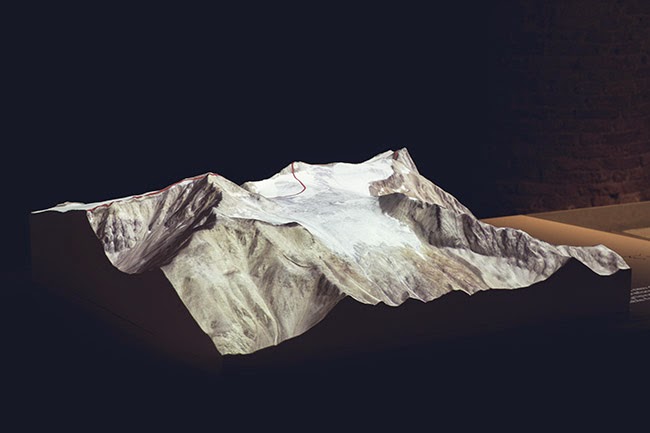
The project, including topographic models, photographs, and examples of the drawing machine network, will be on display in the Italian Pavilion of the Venice Biennale until November 23, 2014. Check out their website for more.

Meanwhile, the research and writing that went into Glacier, Island, Storm remains both interesting and relevant today, if you’re looking for something to click through. Start here, here, or even here.

[Image: From Italian Limes. Photo by Delfino Sisto Legnani, courtesy of Folder].

Italian Limes is a project by Folder (Marco Ferrari, Elisa Pasqual) with Pietro Leoni (interaction design), Delfino Sisto Legnani (photography), Dawid Górny, Alex Rothera, Angelo Semeraro (projection mapping), Claudia Mainardi, Alessandro Mason (team).

City of Buried Machines

[Image: Courtesy of London Basement].

A story of buried digging machines made something of an unexpected splash over at New Statesman this week, quickly becoming their weekend’s most-read article.

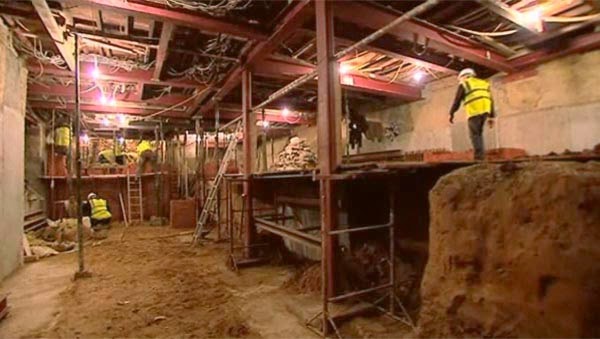
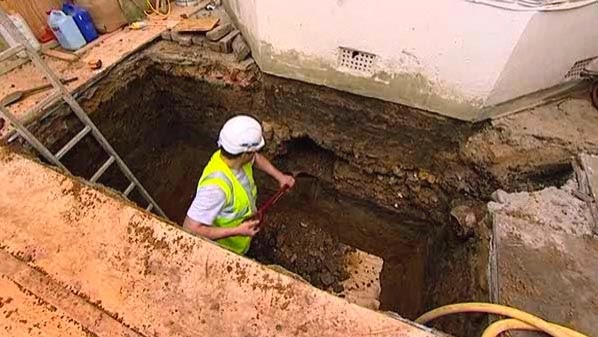
It turns out that all those elaborate basements and artificial show caves built for Londons’ nouveau riche have led to an interesting spatial dilemma: contractors are unable to retrieve the excavation equipment they used to produce all those huge underground extensions in the first place, and they have thus developed a technique for simply abandoning their machines underground and burying them in place.

London is thus becoming a machine cemetery, with upwards of £5 million worth of excavators now lying in state beneath the houses of the 1%. Like tools invented by M.C. Escher, these sacrificial JCBs have excavated the very holes they are then ritually entombed within, turning the city into a Celtic barrow for an age of heroic machinery.

What will future archaeologists make of these interred devices, densely packed in earth and left behind in unmarked graves?

[Image: Courtesy of London Basement].

As we explored here on BLDGBLOG six years ago, deep below the mansions and row houses of the city’s wealthiest residents, colossal cave adventures are taking shape: massive swimming pools, TV rooms, personal gymnasia, full-scale cinemas, and whole subterranean flats are being constructed in order to side-step strict historic preservation laws on the earth’s surface.

Pioneered by firms such as the appropriately named London Basement, these massively expanded homes now feature “playrooms and cinemas, bowling alleys and spas, wine cellars and gun rooms—and even a two-storey climbing wall,” the Guardian reported in 2012. “It is leading to a kind of iceberg architecture, a humble mansion on the surface just the visible peak of a gargantuan underworld, with subterranean possibilities only limited by the client’s imagination.”

As the architect of one such mega-basement explained, “We analyzed the planning laws and realized that they cover everything about the surface of the ground, but nothing beneath it. There was nothing whatsoever that could stop us from drilling all the way down to the south pole.”

[Image: Courtesy of London Basement].

Those grand old piles you see lining the streets of Belgravia thus might hide vertically sprawling domestic labyrinths and basement mazes down in the soil and clay beneath their ever-growing foundations, as home ownership fractally expands downward into the planet by way of waterproof geotextiles and carefully buttressed retaining walls.

However, these vast catacombs are by no means uncontroversial and might yet see their era come to an end due to local frustration with the disruption caused by construction crews and because of ever-growing municipal fees and penalties.

Until then, though, this abyssal impulse is surely approaching the inevitable point where we will see a private home legally redefined as a mine, a site of excavation closer in spirit to the extraction industry than private housing.

(Thanks to Martin John Callanan, Peter Flint, Paul Black, and Nicola Twilley! Meanwhile, if you like this, you might also like Subterranean Machine Resurrections)

A Building For Measuring Borders

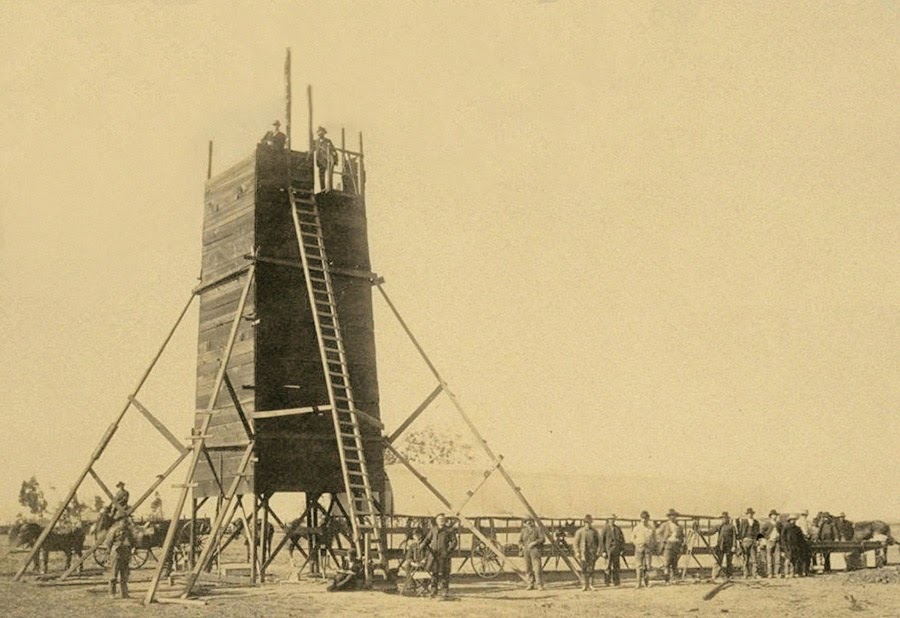
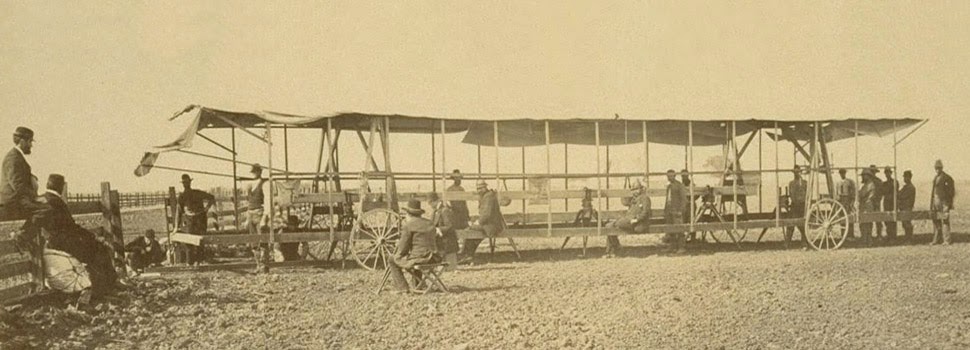
The so-called “Yolo Buggy” was not a 19th-century adventure tourism vehicle for those of us who only live once; it was a mobile building, field shelter, and geopolitical laboratory for measuring the borders of an American county. Yolo County, California.
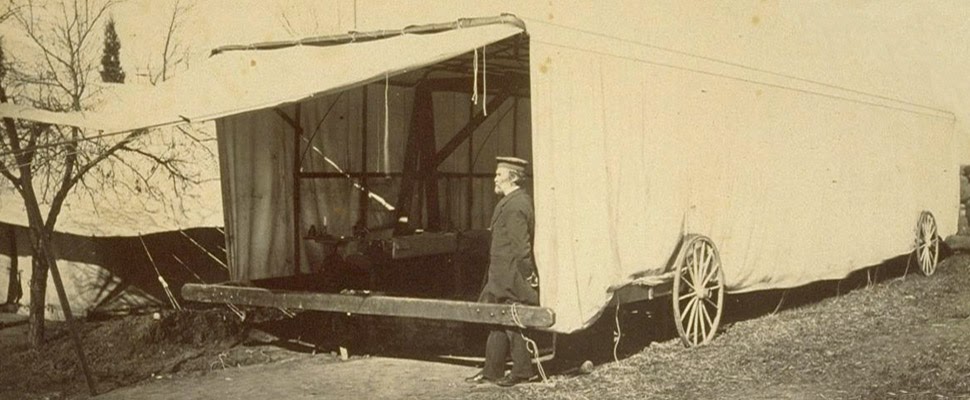
The “moveable tent or ‘Yolo Buggy,'” as the libraries at UC Berkeley describe it, helped teams of state surveyors perform acts of measurement across the landscape in order to mathematically understand—and, thus, to tax, police, and regulate—the western terrain of the United States. It was a kind of Borgesian parade, a carnival of instruments on the move.

The resulting “Yolo Baseline” and the geometries that emerged from it allowed these teams to establish a constant point of cartographic reference for future mapping expeditions and charts. In effect, it was an invisible line across the landscape that they tried to make governmentally real by leaving small markers in their wake. (Read more about meridians and baselines over at the Center for Land Use Interpretation).
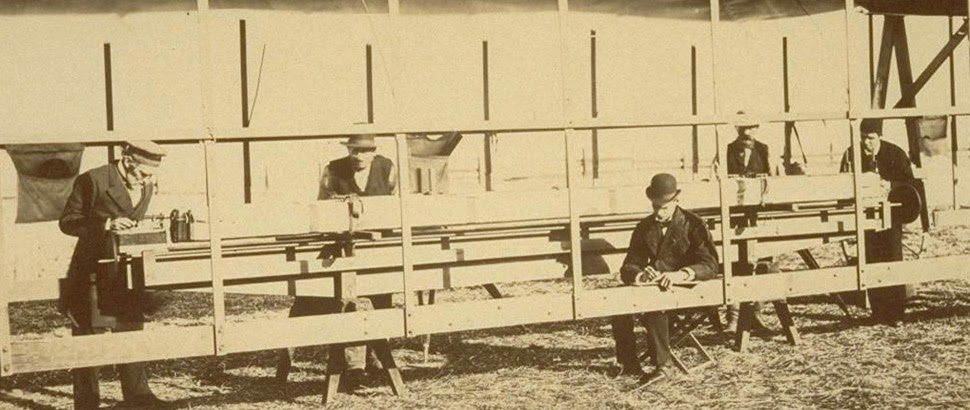
In the process, these teams carried architecture along with them in the form of the “moveable tent” seen here—which was simultaneously a room in which they could stay out of the sun and a pop-up work station for making sense of the earth’s surface—and the related tower visible in the opening image.
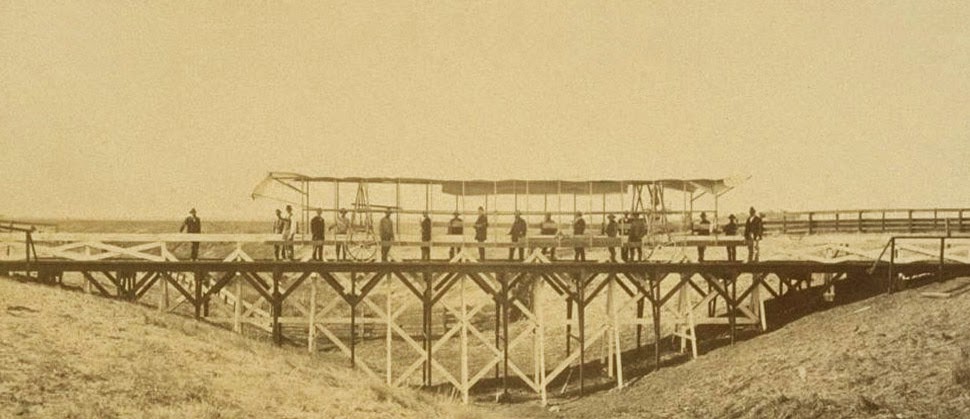
That control tower allowed the teams’ literal supervisors to look back at where they’d come from and to scan much further ahead, at whatever future calculations of the grid they might be able to map in the days to come. You could say that it was mobile optical infrastructure for gaining administrative control of new land.
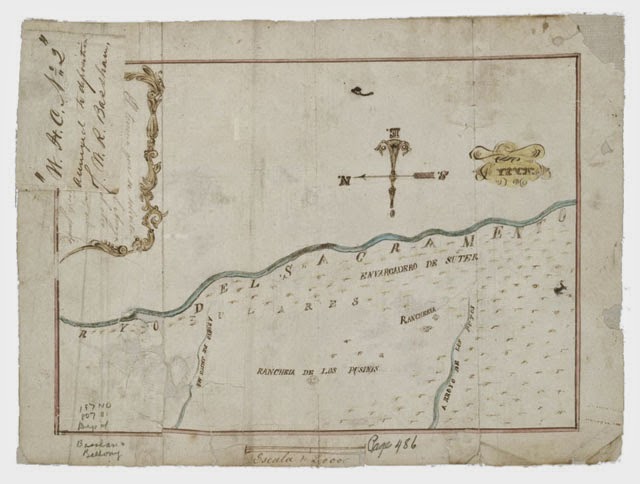
Like a dust-covered Tron of the desert, surrounded by the invisible mathematics of a grid that had yet to be realized, these over-dressed gentlemen of another century helped give rise to an abstract model of the state. Their comparatively minor work thus contributed to a virtual database of points and coordinates, something immaterial and totally out of scale with the bruised shins and splintered fingers associated with moving this wooden behemoth across the California hills.
(All images courtesy UC Berkeley/Calisphere).

Wire-Tapping the Ruins of Pompeii

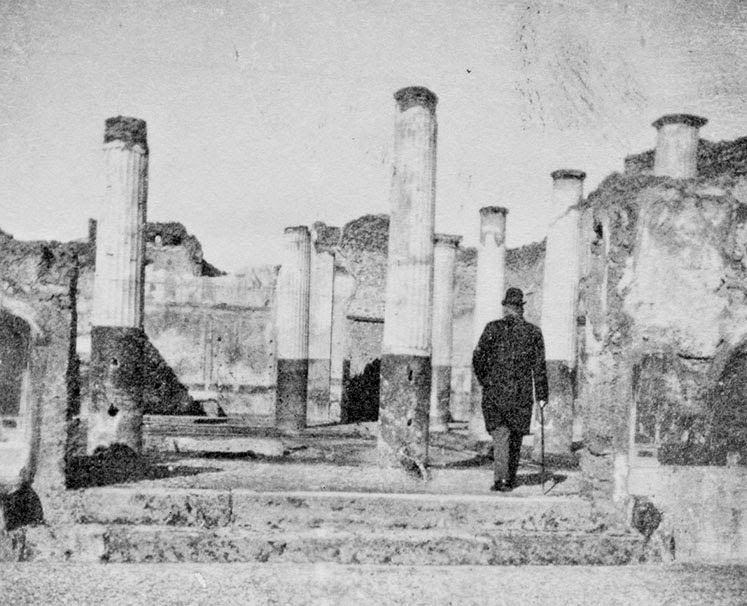
[Image: Alexander Graham Bell, inventor of the telephone, steps forth into the ruins of the “extinct city” of Pompeii; courtesy U.S. Library of Congress].
The ruins of Pompeii are being wired-up by a company otherwise known for its work as a manufacturer of military drones and “electronic warfare equipment,” Phys.org reports. Finmeccanica, the “Italian aerospace and defense giant,” has been contracted to install a high-tech sensor network amongst the barely stabilized walls and streets of this city once buried by a volcanic eruption nearly 2,000 years ago, in the hopes of monitoring unstable ground conditions on the sites.

Slippage and instability threaten to bring some of the buildings down, not just putting the site’s UNESCO-designated mansions at risk but potentially injuring (or worse) its annual hordes of international visitors.

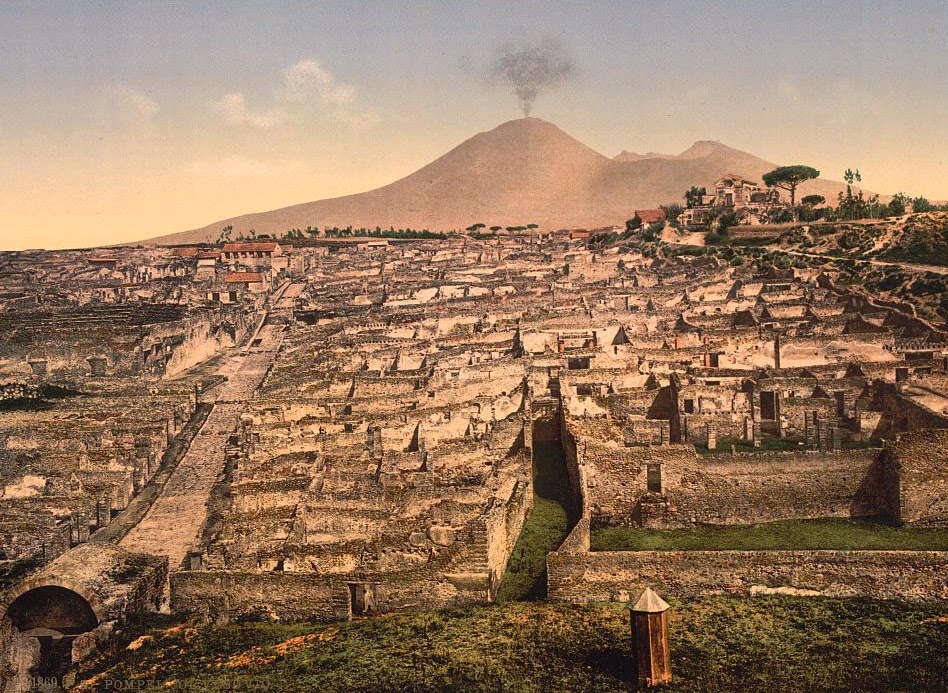
[Image: General view of Pompeii and Mt. Vesuvius; courtesy U.S. Library of Congress].
In Phys.org’s words, the sensors are being installed “to assess ‘risks of hydrogeological instability’ at the sprawling site, boost security and test the solidity of structures, as well as set up an early warning system to flag up possible collapses.”

The results are a bit like electronic eavesdropping—a kind of NSA of the ruins—only, instead of wire-tapping a single phone line, the entire city of Pompeii will be listened to from within, hooked up from one side to the other with equipment so sensitive it is normally used in waging “electronic warfare.”

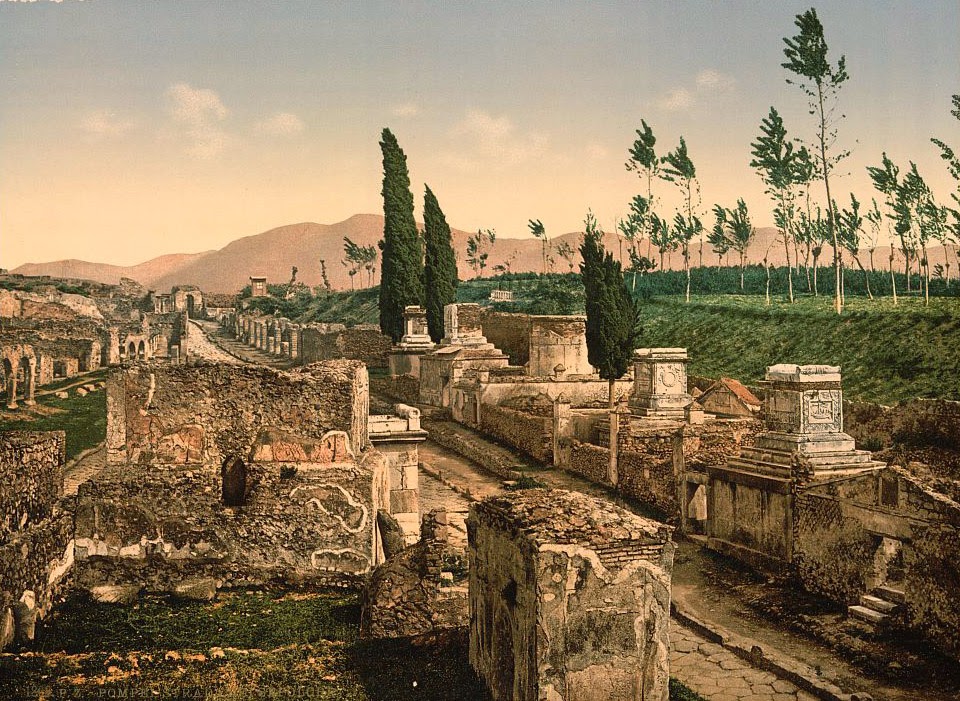
[Image: The Street of Tombs, Pompeii; courtesy U.S. Library of Congress].
The data will eventually be made available online for all to analyze, but it is interesting to read of a more immediate use of the sensors’ findings: Pompeii’s “security guards will be supplied with special radio equipment as well as smartphone apps to improve communication that can pinpoint their position and the type of intervention required.”

In other words, guards will receive electronic updates from the city itself while out on their daily rounds, including automated pings and alerts of impending structural failure or deformations of the ground, like some weird, semi-militarized version of ambient music, as if listening to the real-time groans of a settling city by radio.

Wire-tapping the ruins of a dead city, this mesh of electronic equipment—normally used in military surveillance operations—will thus help to preserve the archaeological site for future generations.

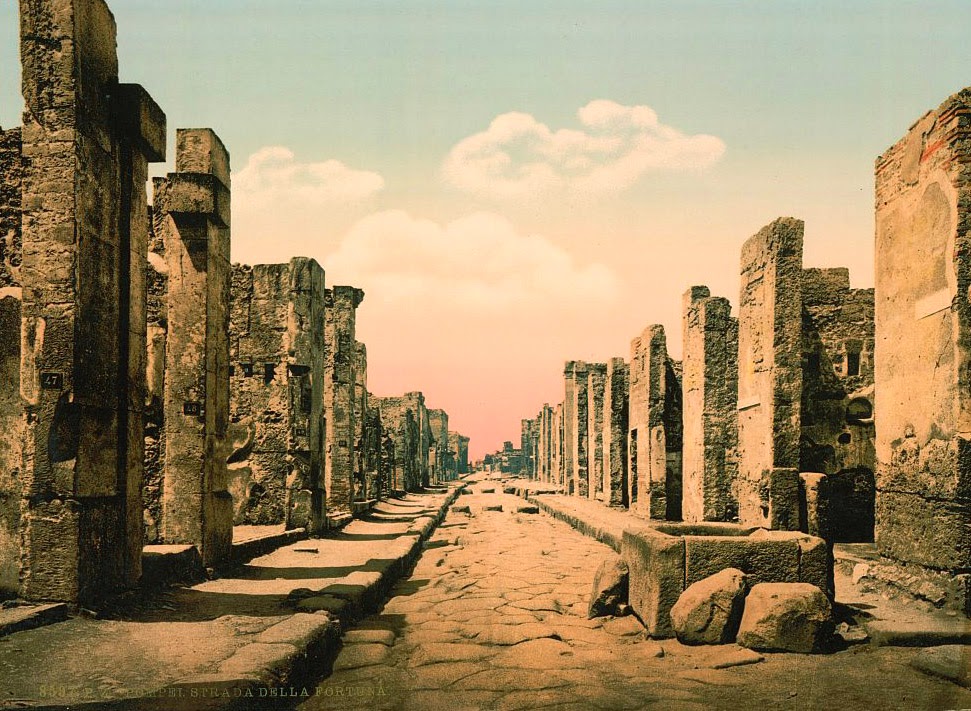
[Image: Fortuna Street, Pompeii; courtesy U.S. Library of Congress].
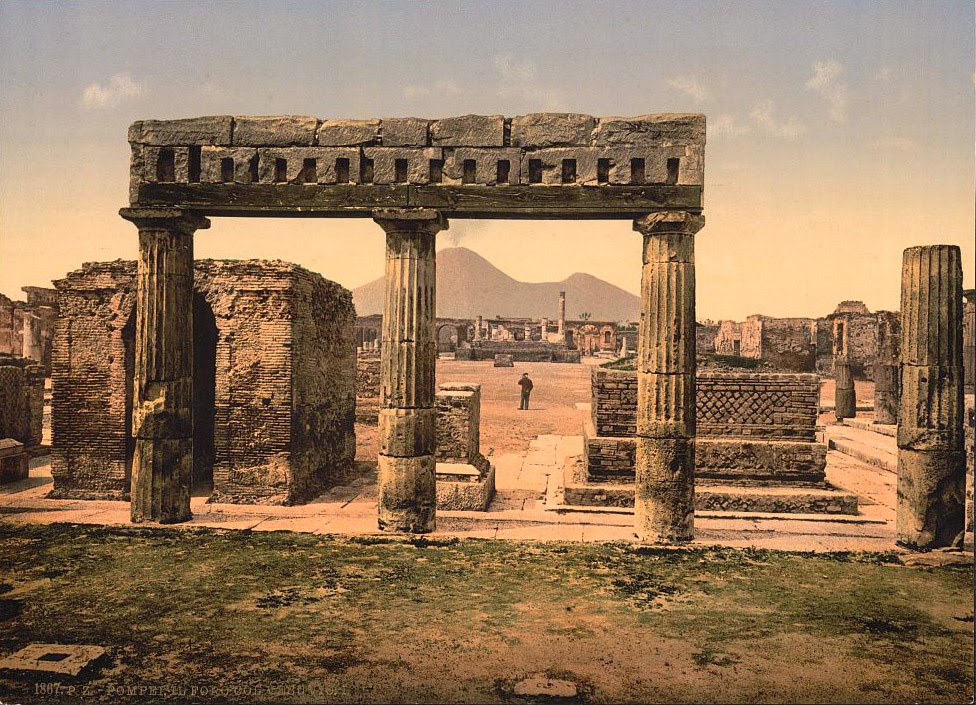
Like something out of Douglas Kahn’s recent book about the history of terrestrial electromagnetism and audio art, the old crumbling columns and shattered walls of Pompeii will soon find a new voice through repurposed military equipment, a weaponized seance performed on the empty streets of a place that’s more tomb than city.

[Image: The Forum, Pompeii; courtesy U.S. Library of Congress].

The possibilities for interactive apps and other touristic experiences are also mind-boggling here: imagine, at the very least, being able to walk into the center of Pompeii totally alone, with nothing but your phone and some earbuds, tuning into real-time broadcasts of the shuddering masonry all around you, a wireless archaeological orchestra of bleached monuments in the sun, listening from within to the sounds of the ancient city.

Distant HAM radio enthusiasts, tuning in from attics in Indiana, spin the dial every Saturday night hoping to find Pompeii, a destroyed city on the other side of the world with its own location in the ether, whistling and purring as its architecture falls apart, room by room, a catacomb of sound and destruction.

(An earlier, different version of this post first appeared on Gizmodo).

When Hills Hide Arches


Landforms masquerading as architecture and vice versa seem to dominate a few sets of older images hosted at the Library of Congress.

Photos taken between 1865 and 1872, these are—photographically speaking—almost impossibly ancient, approaching a point of chemical age as comparatively old to us today as the structures they depict were to the military expeditions that documented them in the first place.


The first shot—depicting the “ruins of the Mulushki Mirza Rabat near Khodzhend,” as the Library of Congress explains it—establishes something of a theme here: works of architecture built from modules of fired clay, their wind-pocked brickwork extracted from the hills around them and transformed by kilns into something artificial, “manmade,” now more artifact than natural object.

Ironically, though, it is exactly their resemblance to the earth that sets the stage for these structures’ later decay, falling apart into mere dust and minerals, little pebbles and grains of sand, literally forming dunes, blending imperceptibly with the landscape. Once they’re gone, it’s as if they were never there.


Domes and extraordinary arches stand in the middle of nowhere, as if left behind by the receding tide of some alien civilization that once slid through, depositing works of architecture in its wake. Like the slime of a snail, these are just residue, empty proof that something much bigger once passed by.

What’s so amazing about these pictures, I’d suggest, is that, among other things, they come with the surreal implication that, beneath or somehow within all the rolling hills and dunes of the surrounding landscape, these sprawling bridges and spinal forms are actually hidden, just waiting there for hooded, 19th-century backpackers to rediscover.

These tiny figures are probably laughing in awe at the anti-gravitational urge that pushes these structures up above the sand line, into the photographs of these seemingly nameless expeditionary teams intent on cataloging every spatially exotic detail they find.


Here, in the ruins of Murza Rabat, seen below, natural hills are actually catacombs of architecture, buildings fooling us for their resemblance to caves, structurally camouflaged as the surface of the earth.

But it’s not the planet—it’s not geology—it’s just architecture: a shaped thing, an artifact, something plastic and formed by human hands. Not hills but abandoned buildings.


In the end, photographs of sand dunes might actually depict scenes of collapsed architecture; that landscape there in front of you might really be a city seen one thousand years after the fact, every wall cracked open and broken into pointless little mounds you’d probably stomp through without even thinking, the desert all around you giving no indication that this all used to be structure.

It used to be arches, bridges, vaults, and domes, huge mosques and cathedrals of human form before crumbling into mindless anthills of mud and clay.


It’s almost like these photographs exist to remind you that everything you now think of as a room—as space, as volume, as creation—will soon just be a suffocation of sand grains packed together in dense, amnesia-ridden hills, landscapes almost laughably quick to forget they once were architecture.

All photos courtesy of the Library of Congress.