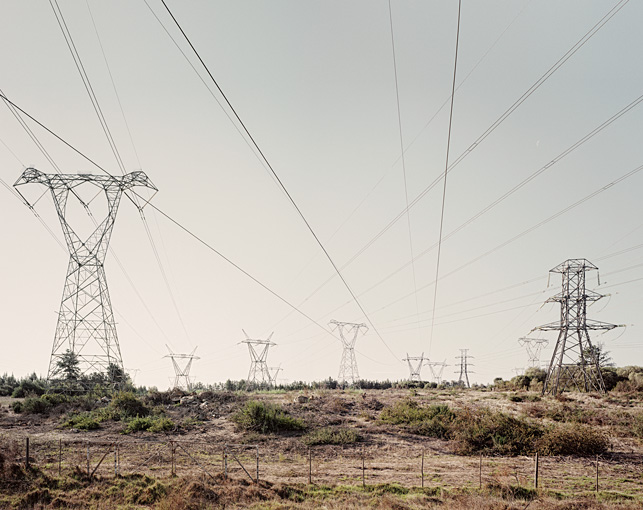
 [Image: From “Means to an End” by Dillon Marsh].
There are a few projects by the young South African photographer Dillon Marsh that seem worth a look.
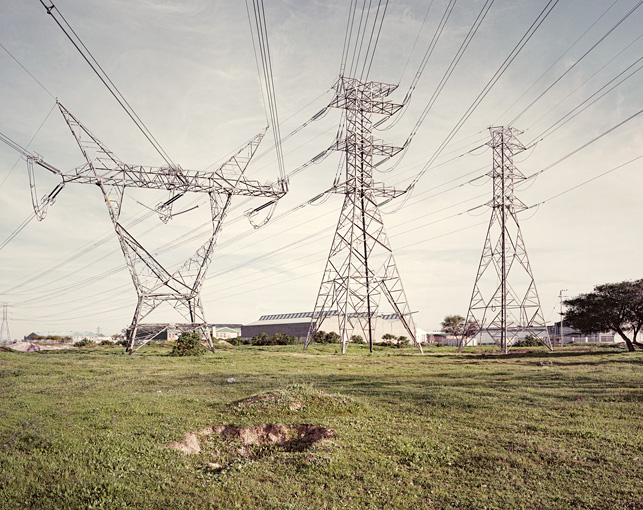 [Image: From “Means to an End” by Dillon Marsh].
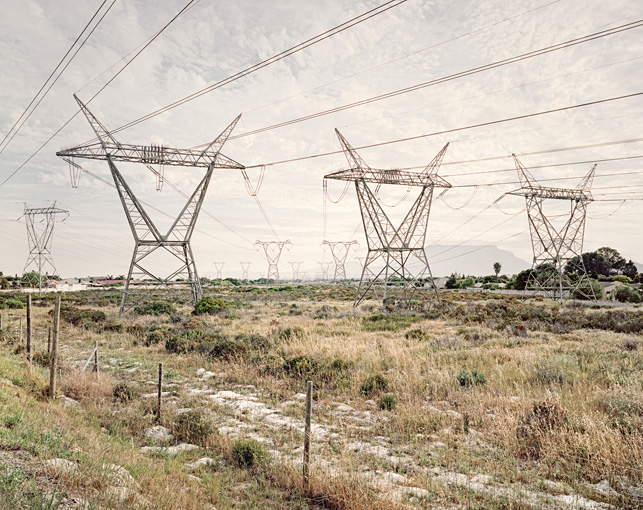
The first are his photos of “electricity pylons… criss-crossing the landscape around the city of Cape Town,” called “Means to an End.”
 [Image: From “Means to an End” by Dillon Marsh].
Marsh is by no means the first photographer, artist, writer, architect, etc., to look at electricity pylons, but the resulting images are pretty stunning.
Meanwhile, Marsh has a variety of other series available for view on his website, but another one I want to feature briefly here is called “Limbo.”
 [Image: From “Limbo” by Dillon Marsh].
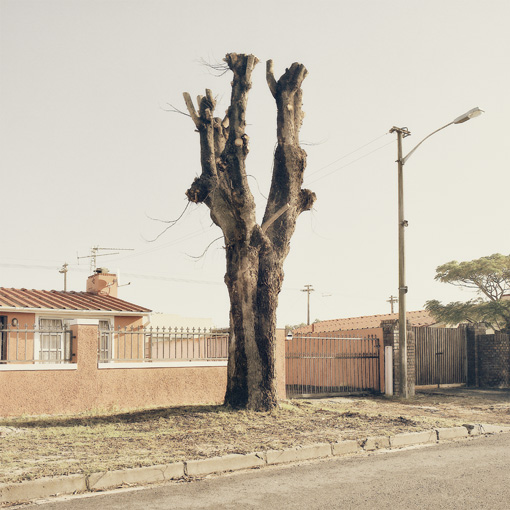
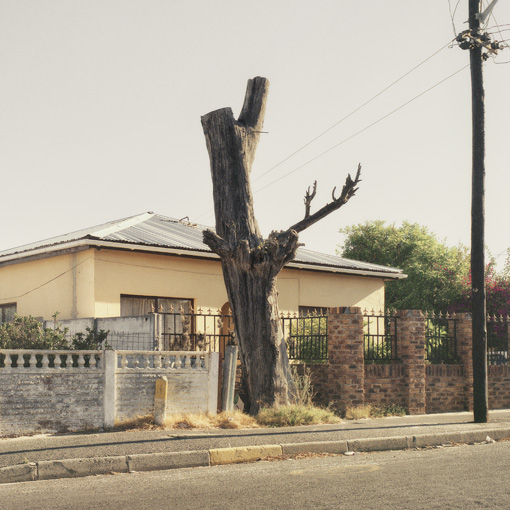
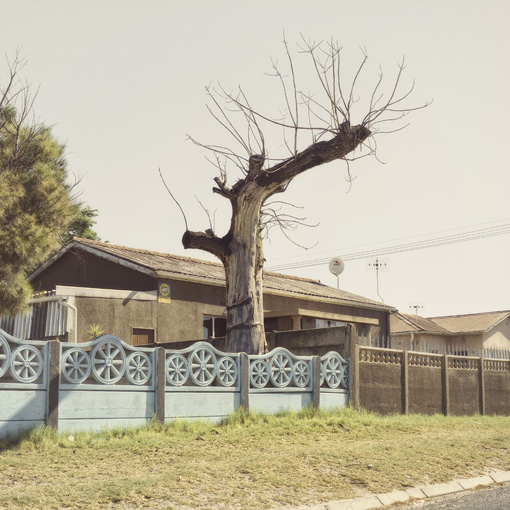
In Marsh’s own words, “‘Limbo‘ is a series of photographs showing trees that have died, but not yet fallen. All these trees were photographed in various suburbs of the Cape Flats area of Cape Town, including Bridgetown, Bonteheuwel, Ruyterwacht, Windermere, and The Hague.”
The results perhaps recall the “Rise” filter, as well as the square format of Instagram, but, for me, that doesn’t take away from their visual or conceptual interest.
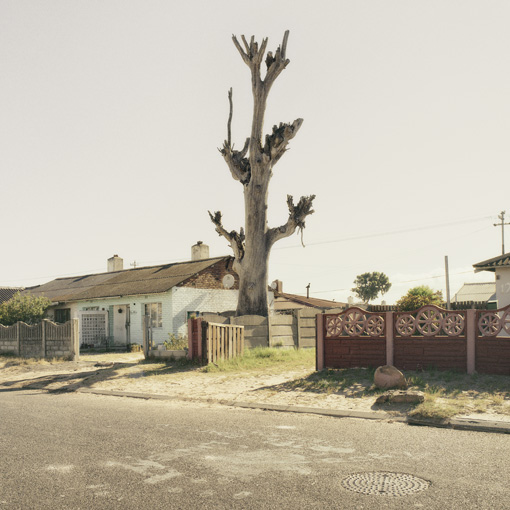 [Images: From “Limbo” by Dillon Marsh].
Oddly, these actually remind me of the trees in Hackney, a borough of London where I briefly lived more than a decade ago; the branches of almost every tree along the streets that I walked each morning to the local bus stop had been cut—or hacked, as it were—by the Council, apparently out of a mathematically impossible fear of liability should the branches someday fall and hit a car, a pedestrian, or a baby in a stroller, lending the neighborhood an even drearier feel of grey-skied Gothic horror than it would have had already on its own.
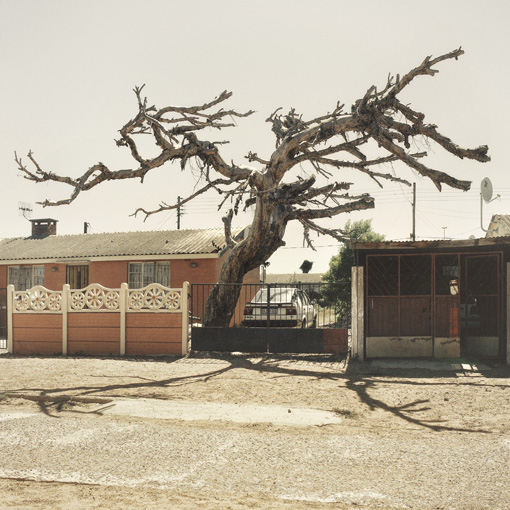 [Images: From “Limbo” by Dillon Marsh].
Somewhere between portraits and landscape photography, these two projects of Marsh’s go well together, depicting the starkly exposed branching peculiar to these two types of structures.
They are also both in Marsh’s “Landscape Series” of photographs, a series that, in his words, seeks “to find things that are out of the ordinary, picking them out of the landscape where they might otherwise blend in. I choose objects that can be found in multitude within their environment so that I can depict a family of objects in a series of photographs. By displaying each project as such, I feel I am able to show both the character of the individual members, and the characteristics that make these objects a family.”
I’ll do one more quick post about Marsh’s work, showing my favorite series of all.

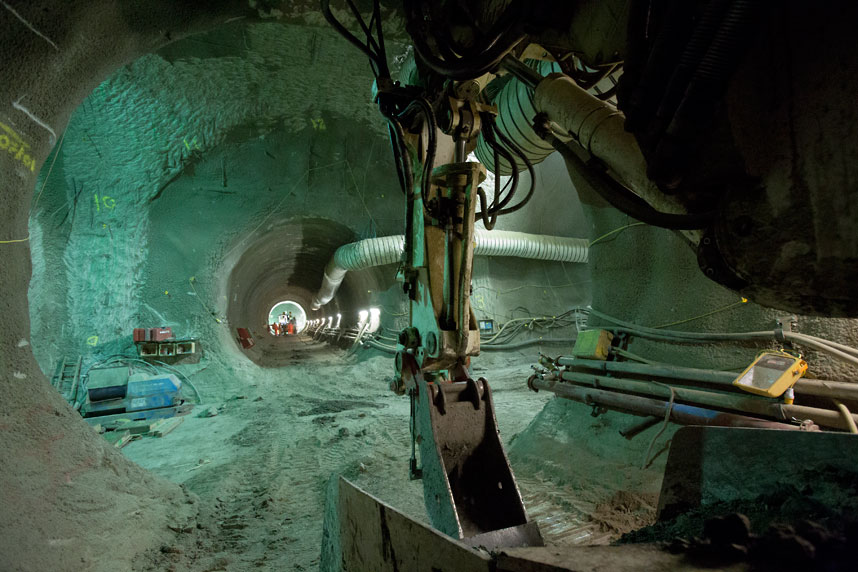
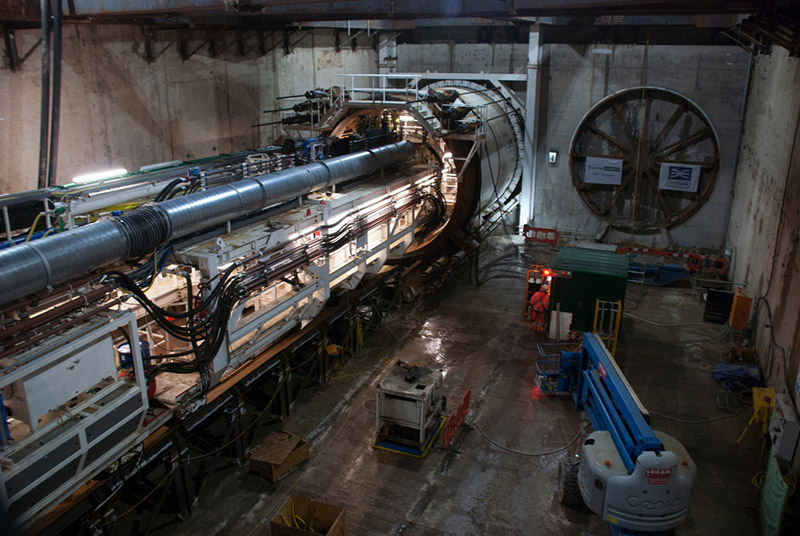 [Image: Machines slide beneath the streets, via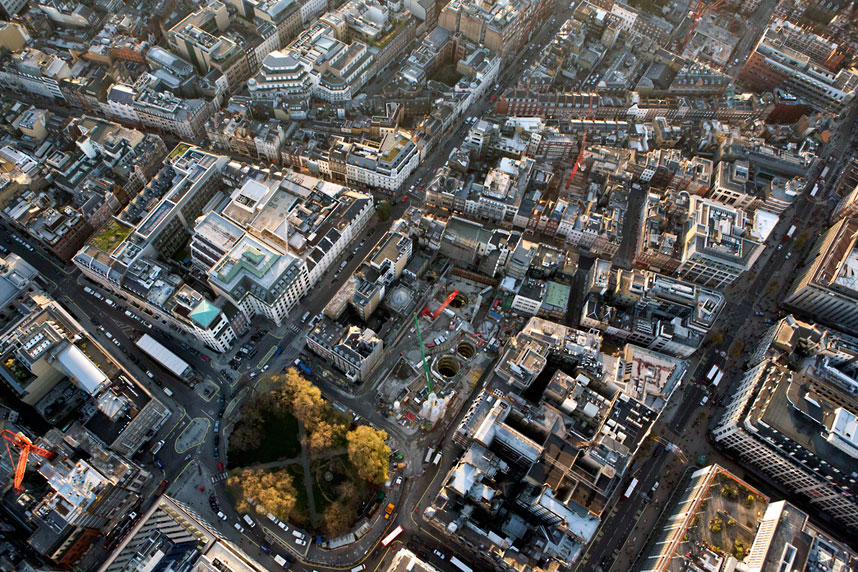
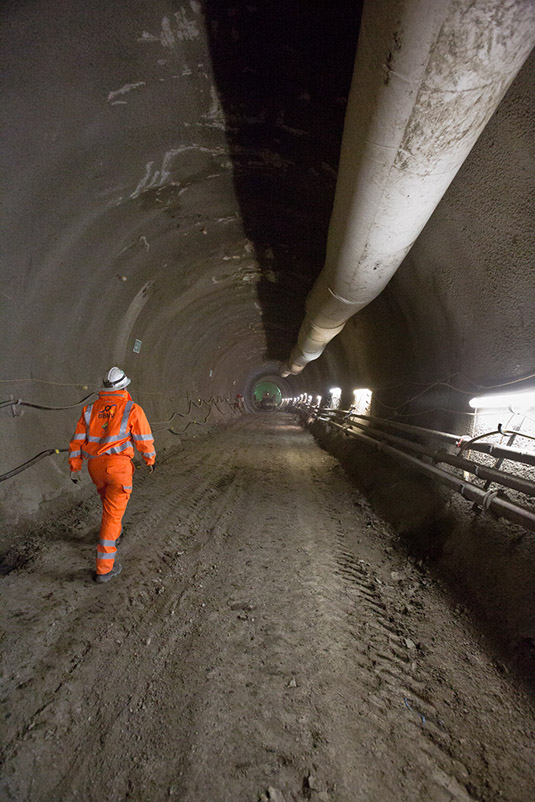 [Image: Looking down through shafts into the subcity, via
 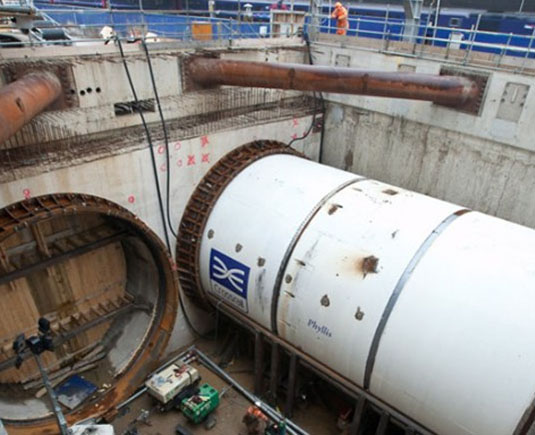 [Image: Phyllis, via
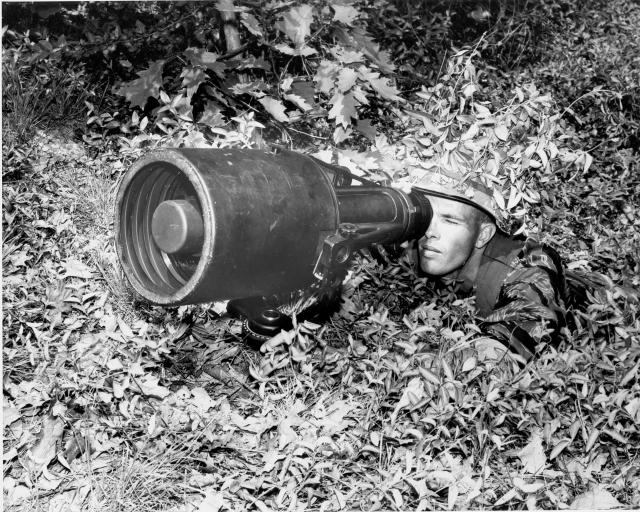 [Image: An otherwise irrelevant photo of early night-vision technology used during the Vietnam War; courtesy of the
 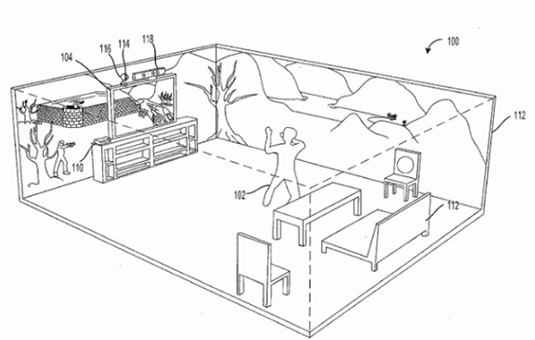 [Image: Microsoft’s
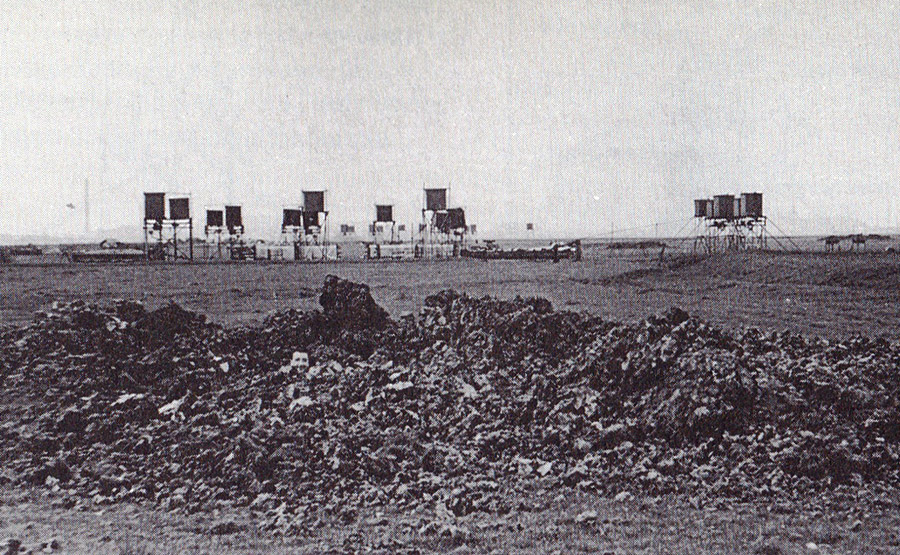 [Image: A Starfish site, like a pyromaniac’s version of
 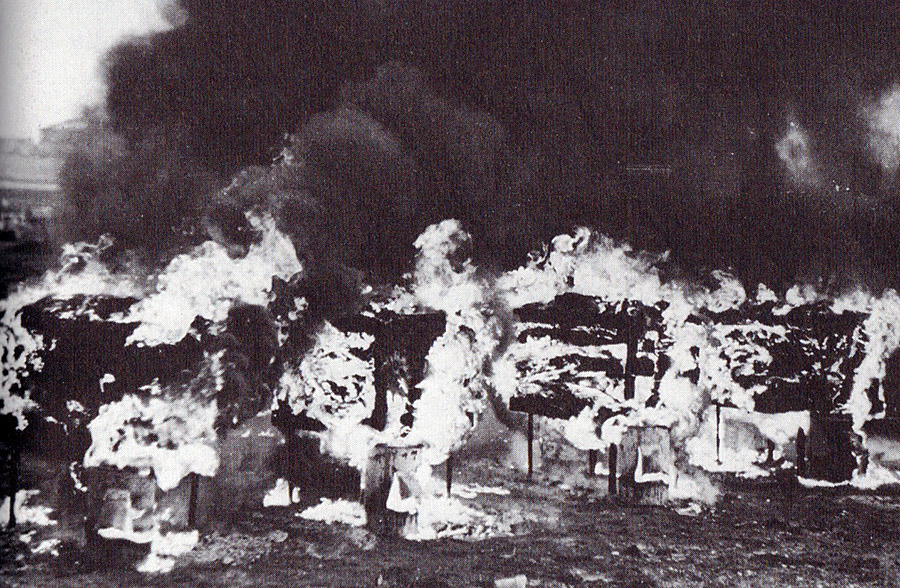 [Image: A Starfish site burning, via the
  [Image: Zooming-in on the Starfish site, seen above; image via the
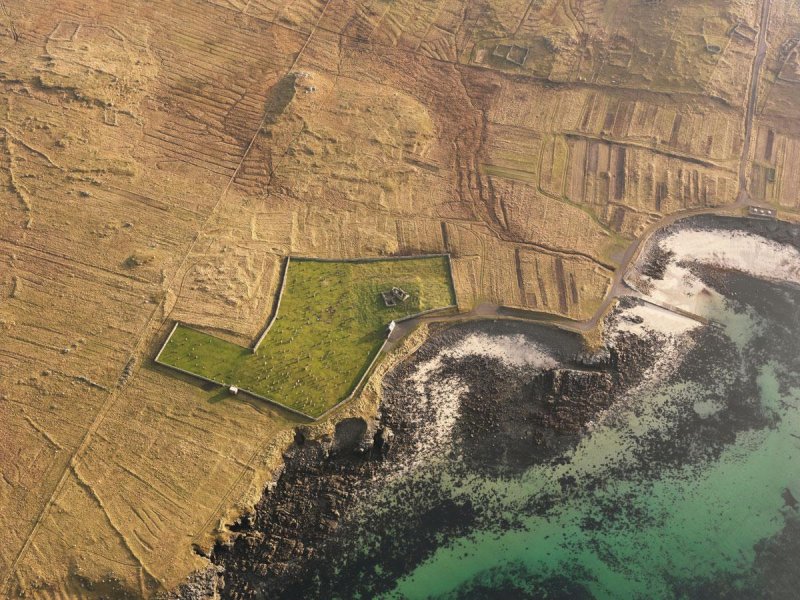 [Image: Photo: The “cemetery and church at
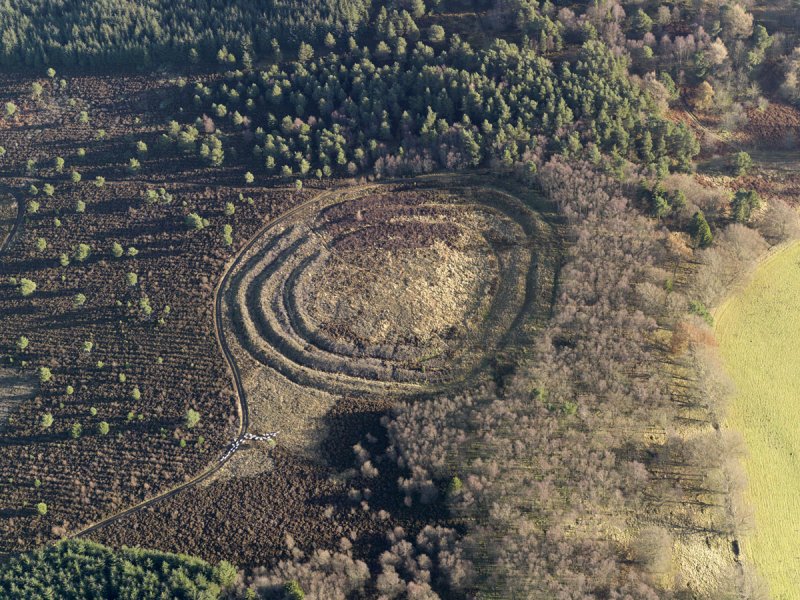 [Image: (top) The “
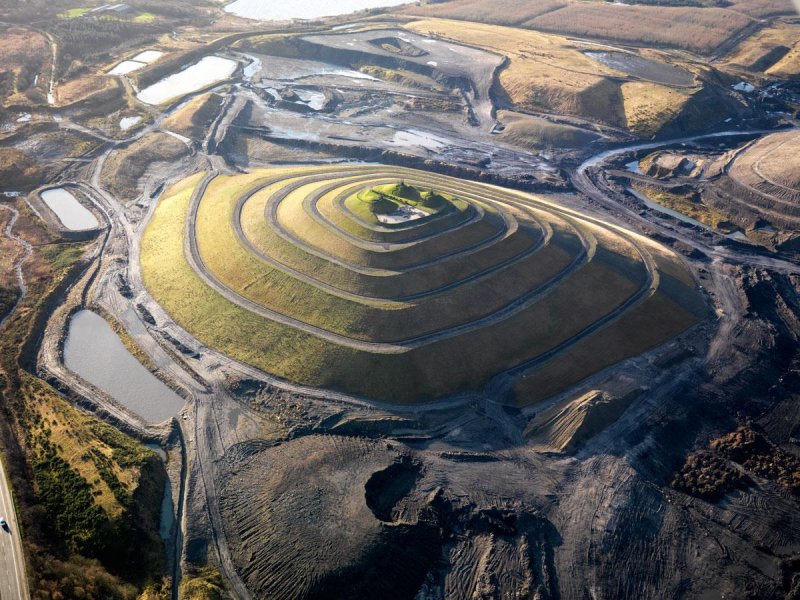 [Image: Photo: The (
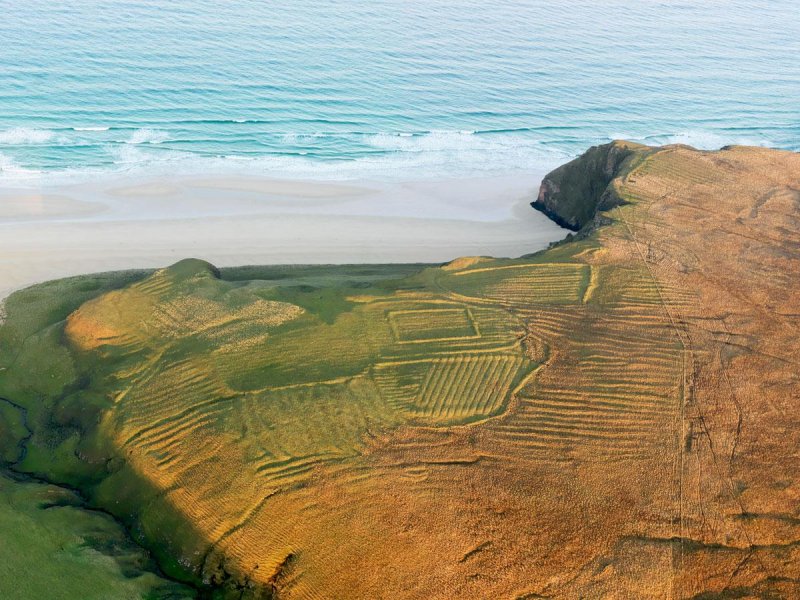 [Image: Photo: The “remains of the lazy beds and enclosures at
  [Images: Aerial view of
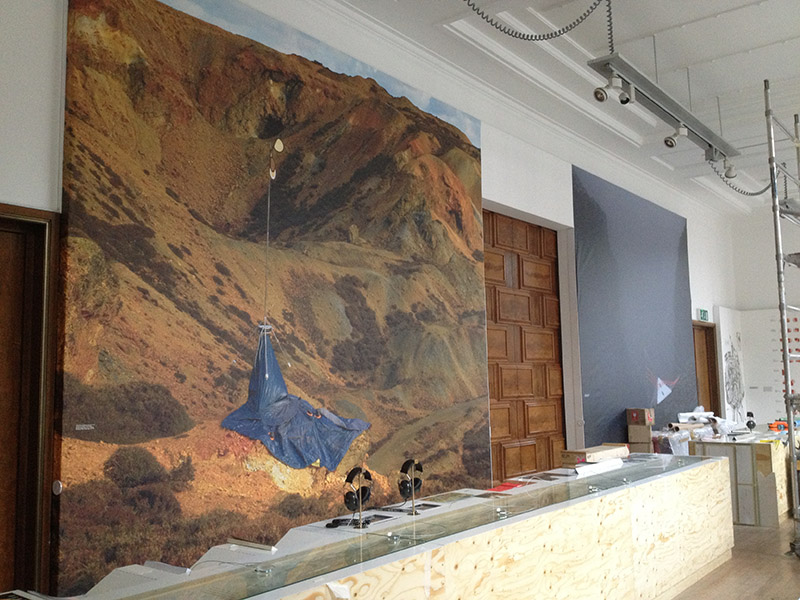 [Image: Photo by Mark Smout of a photo by Mark Smout, for the
 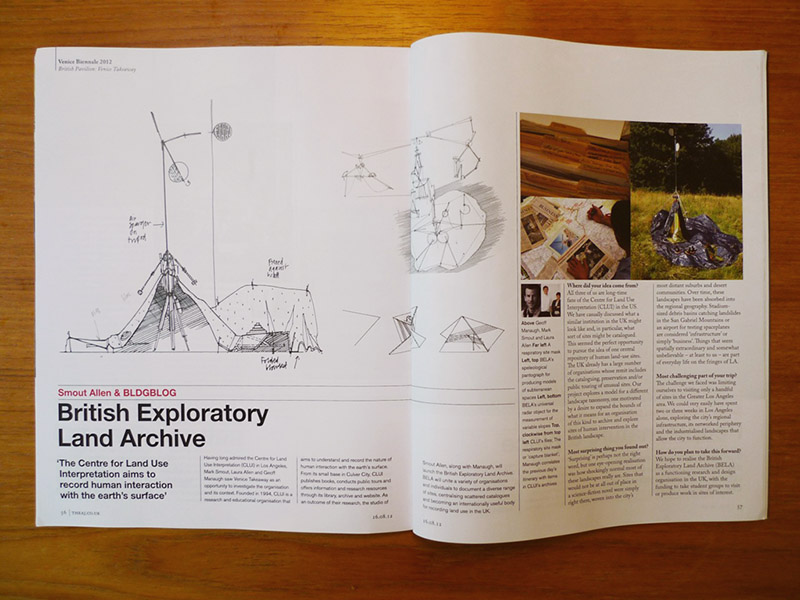 [Image: From the
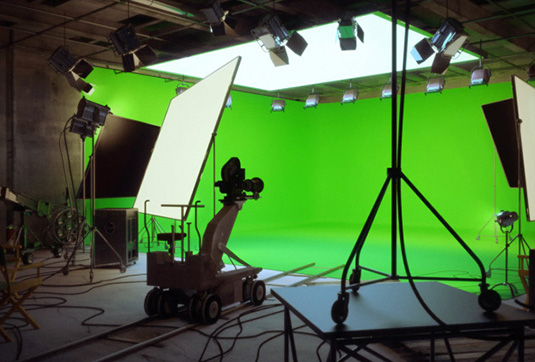 [Image: Green screen; image via
 [Image: “Three tri-bar targets remaining at
 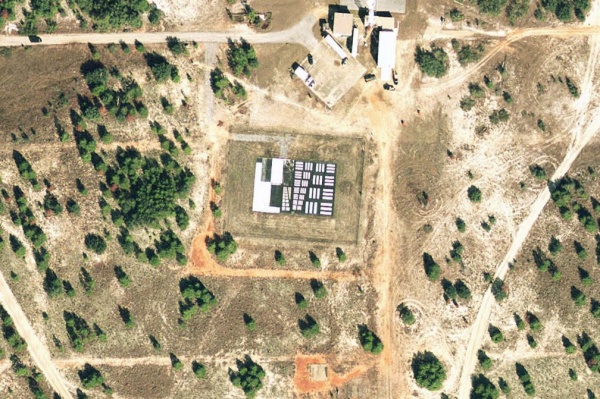 [Image: A tri-bar array at Eglin Air Force Base, Florida; via
 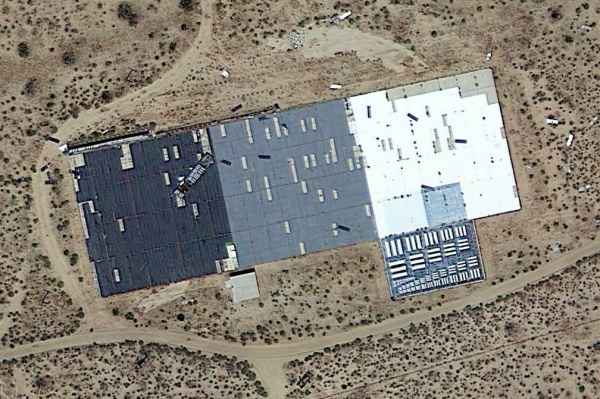 [Image: A “standard tri-bar test pattern on the Photo Resolution Range at Edwards that has been greatly expanded,”
 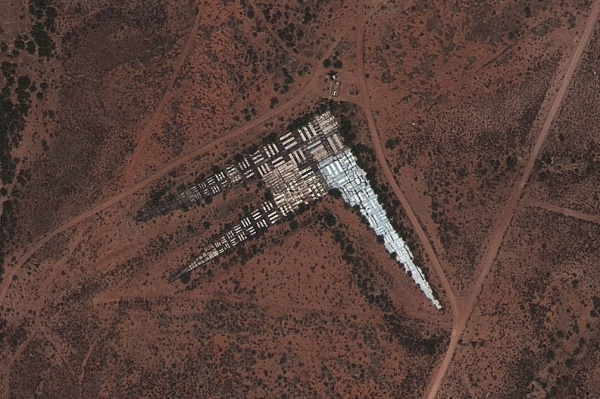 [Image: An “especially exotic” expanded tri-bar array at Fort Huachuca, Arizona; via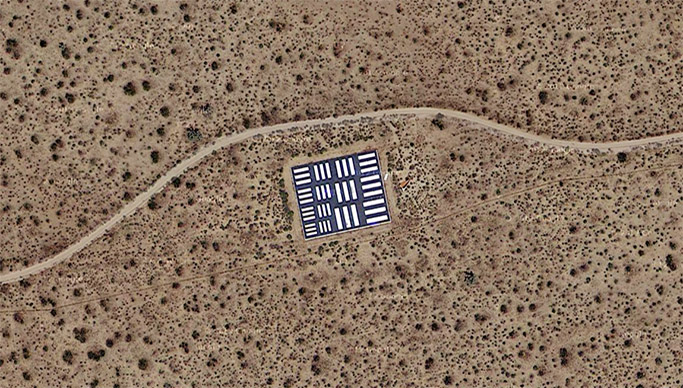
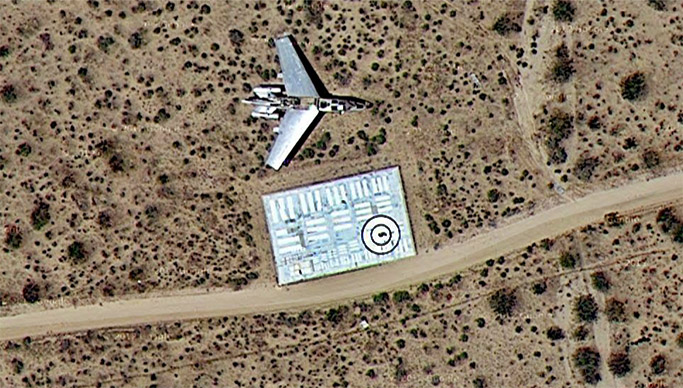
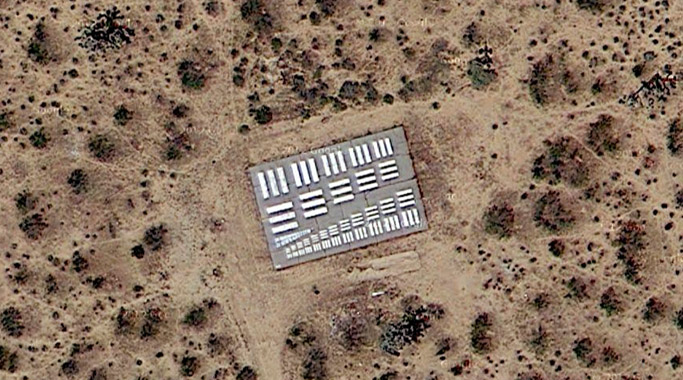
 [Image: Calibration targets from the photo resolution range, Edwards Air Force Base; from
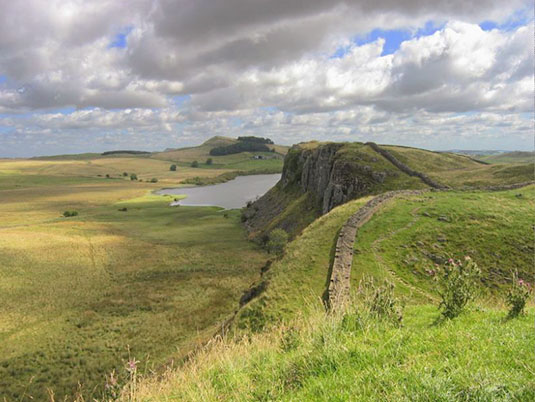 [Image: Hadrian’s Wall (not the wall described below) on the Whin Sill, via
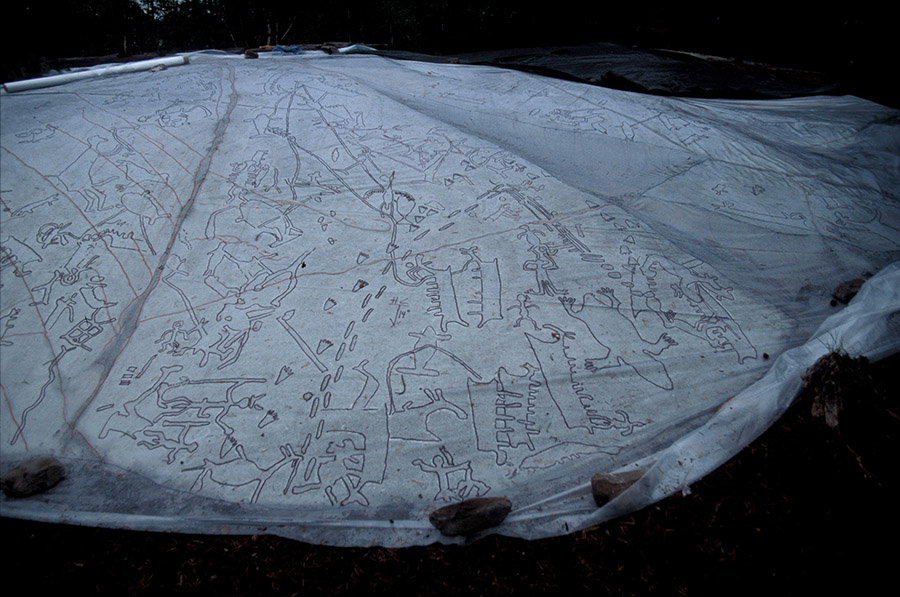 [Image: Recording a landscape; photo courtesy of Jan Magne Gjerde, via
 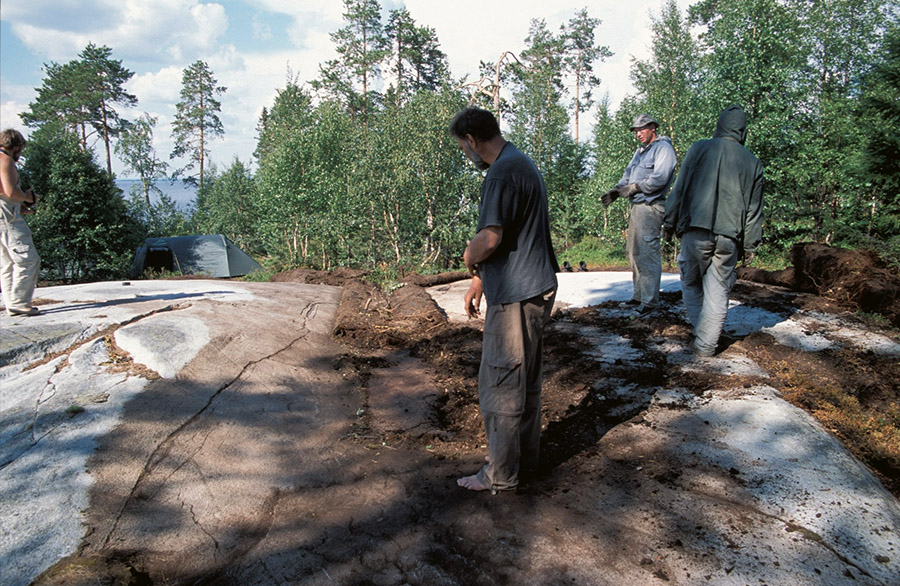 [Image: The team looks down at the earth they will soon record; photo courtesy of Jan Magne Gjerde, via
 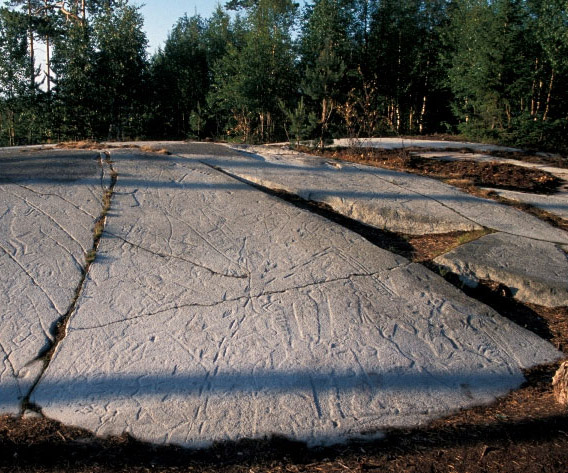 [Image: The petroglyphs; photo courtesy of Jan Magne Gjerde, via
 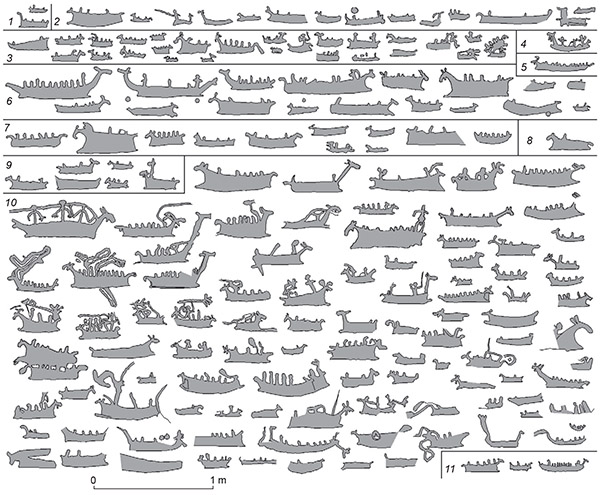 [Image: Boat glyphs from Lake Kanozero, courtesy of
 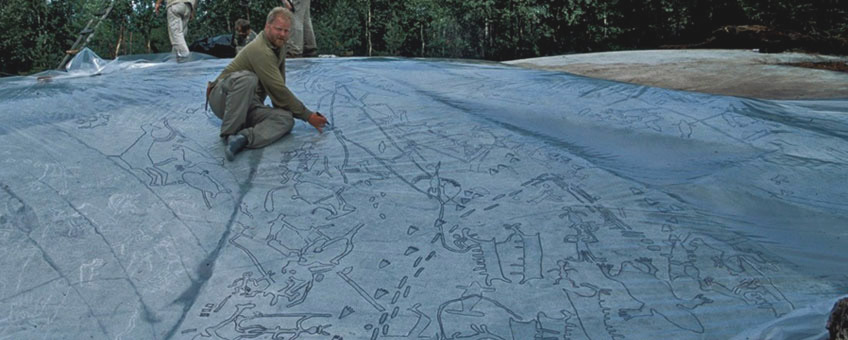 [Image: The petroglyphs and their tracing paper; photo courtesy of Jan Magne Gjerde, via
 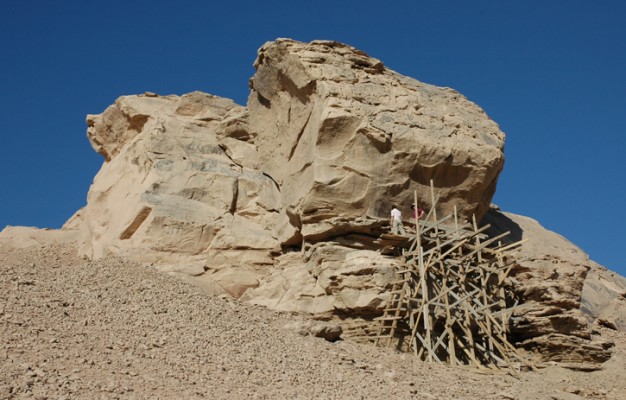 [Image: Field scaffolding set up to study rock art in Egypt; photo ©RMAH, Brussels, courtesy of
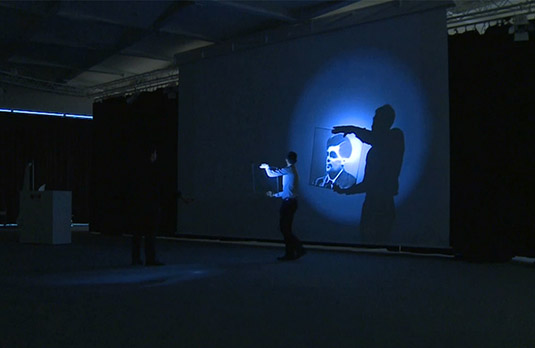 [Image: A piece of milled plexiglass acting as a projecting lens; via the
 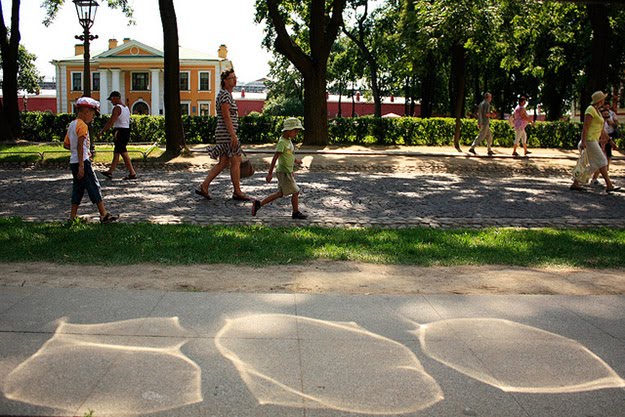 [Image: Reflections off glass or other polished surfaces could be controlled—that is, manipulated into producing recognizable images or specific shapes—by way of “caustic engineering”; Creative Commons photo by Flickr user