Water vs. World

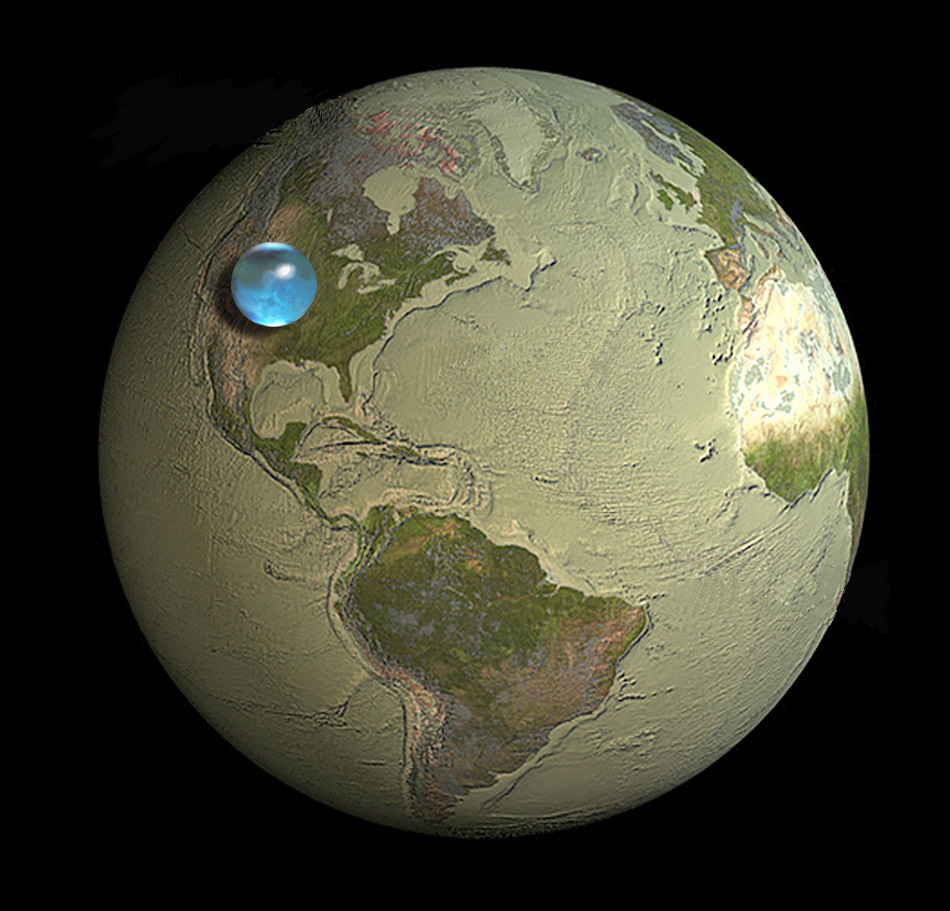
[Image: Illustration by Jack Cook, Woods Hole Oceanographic Institution; courtesy of the USGS].

In Charles Fishman’s compelling exploration of water on Earth, The Big Thirst, there is a shocking statement that, despite the apparent inexhaustibility of the oceans, “the total water on the surface of Earth (the oceans, the ice caps, the atmospheric water) makes up 0.025 percent of the mass of the planet—25/10,000ths of the stuff of Earth. If the Earth were the size of a Honda Odyssey minivan,” he clarifies, “the amount of water on the planet would be in a single, half-liter bottle of Poland Spring in one of the van’s thirteen cup holders.”

This is rather remarkably communicated by an illustration from the USGS, reproduced above, showing “the size of a sphere that would contain all of Earth’s water in comparison to the size of the Earth.” That’s not a lot of water.

Only vaguely related, meanwhile, there is an additional description in Fishman’s book worth repeating here.
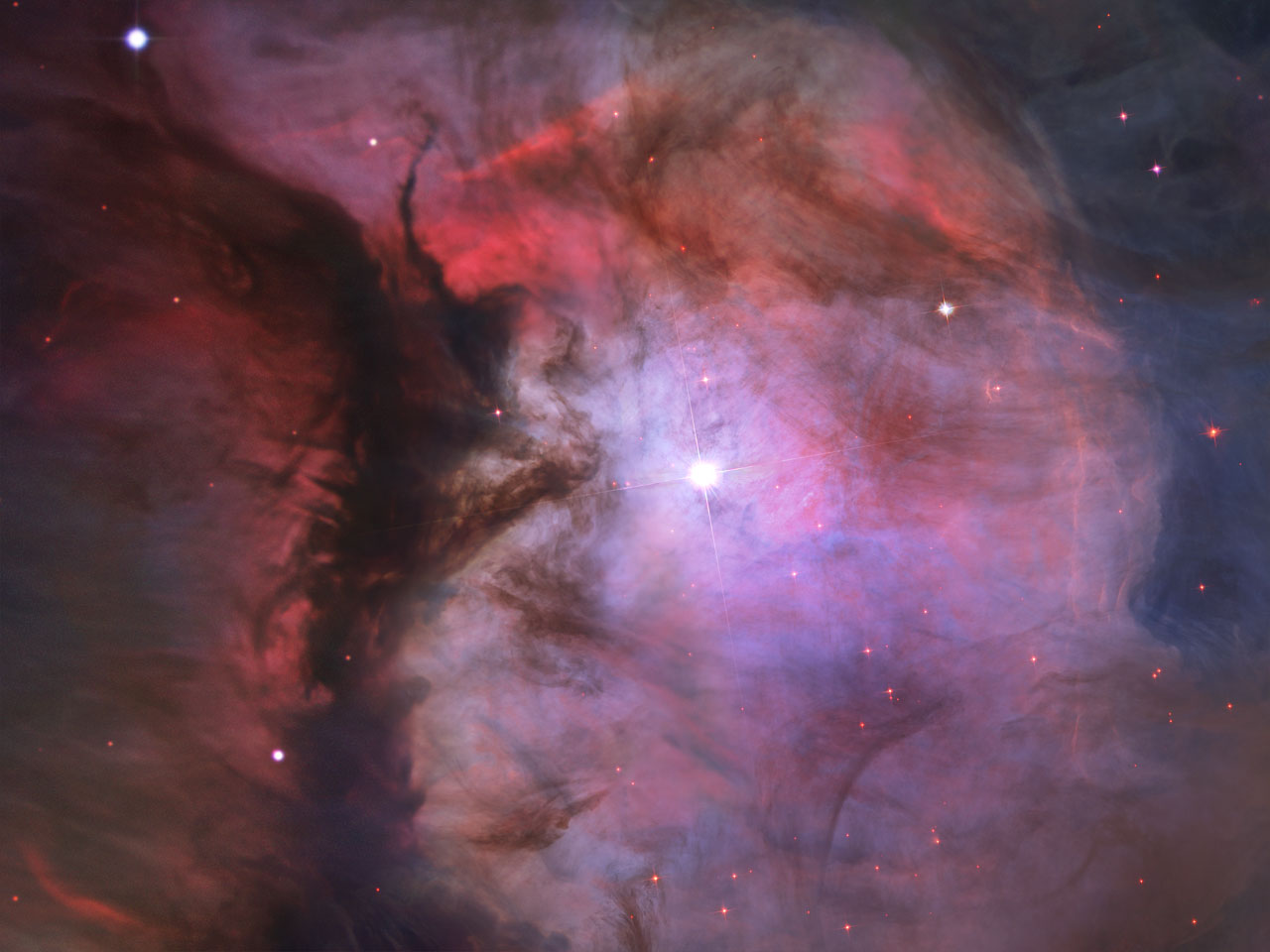
[Image: The Orion nebula, photographed by Hubble].

In something called the Orion Molecular Cloud, truly vast amounts of water are being produced. How much? Incredibly, Fishman explains, “the cloud is making sixty Earth waters every twenty-four hours”—or, in simpler terms, “there is enough water being formed sufficient to fill all of Earth’s oceans every twenty-four minutes.” This is occurring, however, in an area “420 times the size of our solar system.”

Anyway, Fishman’s book is pretty fascinating, in particular his chapter, called “Dolphins in the Desert,” on the water reuse and filtration infrastructure installed over the past 10-15 years in Las Vegas.

(Via @USGS).

Lost Lakes of the Empire State Building

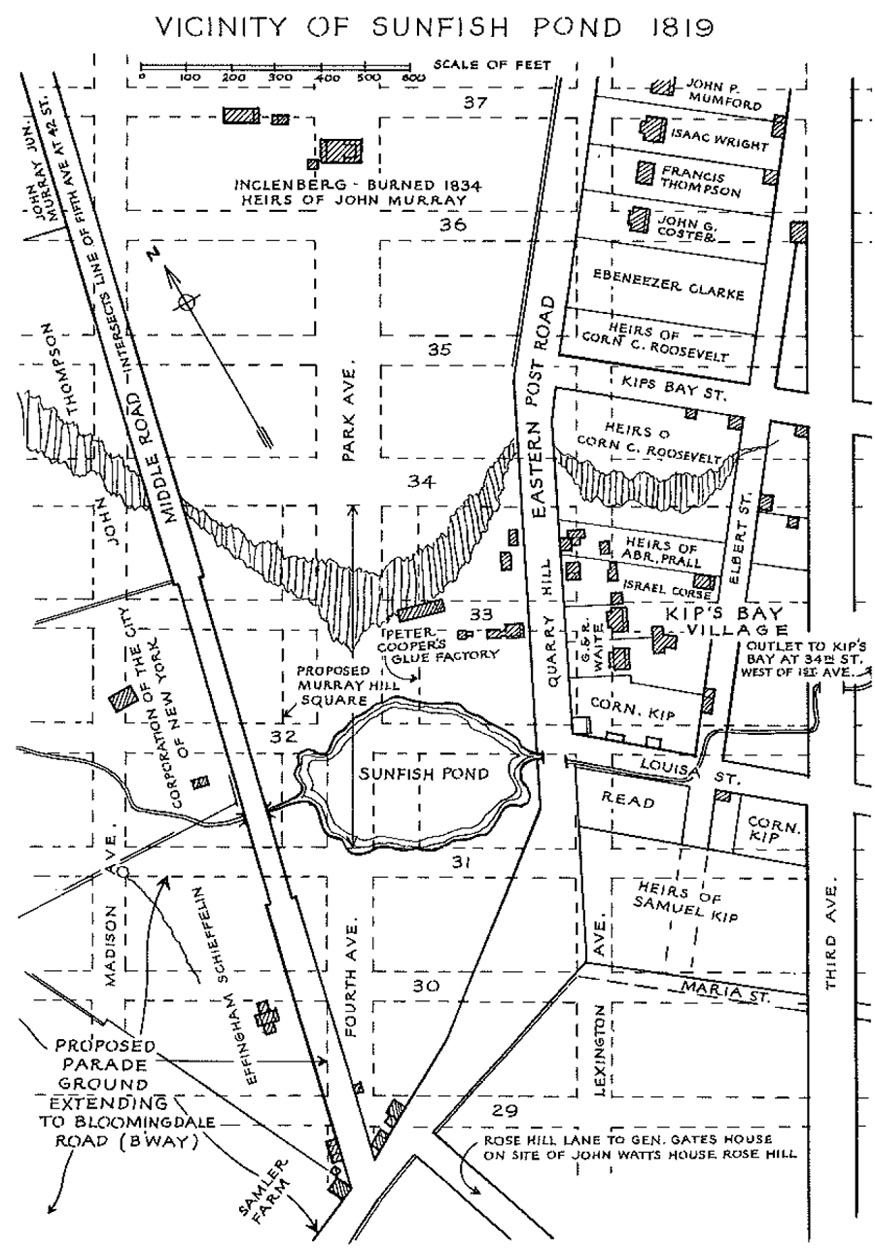
[Image: Sunfish Pond].

Something I’ve meant to post about for awhile—and that isn’t news at all—is the fact that there is a lost lake in the basement of the Empire State Building. Or a pond, more accurately speaking.

After following a series of links leading off from Steve Duncan’s ongoing exploration of New York’s “lost streams, kills, rivers, brooks, ponds, lakes, burns, brakes, and springs,” I found the fascinating story of Sunfish Pond, a “lovely little body of water” at the corner of what is now 31st Street and Fourth Avenue. “The pond was fed both by springs and by a brook which also carried its overflow down to the East River at Kip’s Bay.”

Interestingly, although the pond proper would miss the foundations of the Empire State Building, its feeder streams nonetheless pose a flood risk to the building: the now-buried waterway “leading from Sunfish Pond still floods the deep basement of the Empire State Building today.”

To a certain extent, this reminds me of a line from the recent book Alphaville: “Heat lightning cackles above the Brooklyn skyline and her message is clear: ‘You may have it paved over, but it’s still a swamp.'” That is, the city can’t escape its hydrology.

But perhaps this makes the Empire State Building as good a place as any for us to test out the possibility of fishing in the basements of Manhattan: break in, air-hammer some holes through the concrete, bust out fishing rods, and spend the night hauling inexplicable marine life out of the deep and gurgling darkness below.

Astrobiology and Drowned Nations

There’s a lot going on again this week at Studio-X NYC. Two quick things to put on your radar, in case you’re near New York:

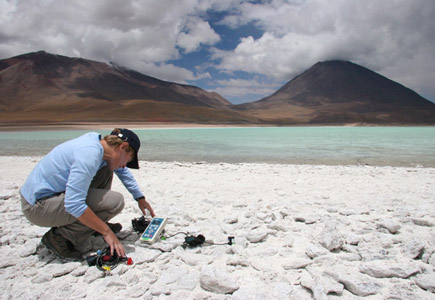
[Image: NASA astrobiologist Lynn Rothschild measures solar radiation, via NASA].

1) Tonight at 6:30pm, we’ve got NASA astrobiologist Lynn Rothschild coming in to discuss her work, from extreme environments here on Earth, where scientists test for the limits of life, to the irradiated landscapes of Mars. We’ll look at the nature of biology, the possibilities for synthetic life, unexpected alternatives to DNA, and other mind-bending experiments that ask, in Rothschild’s words, “Where do we come from? Where are we going? and Are we alone?” Architect Ed Keller will be co-moderating this live interview.

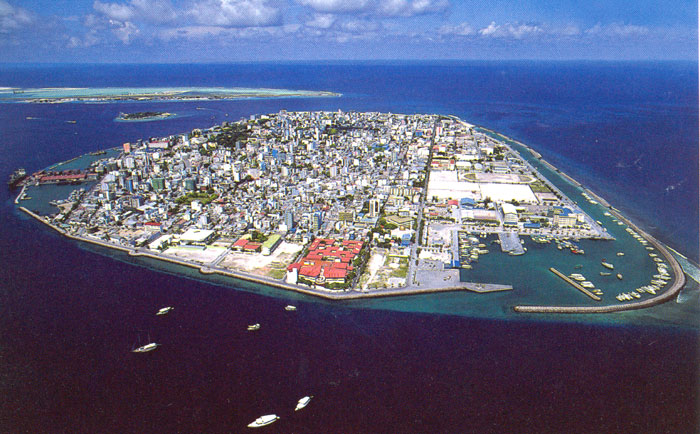
2) Tomorrow, beginning at 6pm, we’ve got a massive line-up, including, I’m thrilled to say, an interview with Michael Gerrard, Andrew Sabin Professor of Professional Practice at Columbia Law School, discussing “drowning nations and climate change law. The list of whole countries at risk from sea-level rise is both extraordinary and growing, from the Marshall Islands to the Maldives, posing a series of unanswered questions about migration, citizenship, geopolitical power, and even the very definition of a state. As a 2010 article on ClimateWire asks, citing Gerrard’s work, “If a Country Sinks Beneath the Sea, Is It Still a Country?”

[Image: Male, capital of the Maldives, via Wikipedia].

Gerrard was instrumental in organizing a conference last year called “Threatened Island Nations: Legal Implications of Rising Seas and a Changing Climate,” inspired by the “unique legal questions posed by rising oceans.” Central to our conversation tomorrow night will be what that last link calls “the sovereignty of submerged nations”:

Would the countries continue to have legal recognition like the Order of Malta, which ceded its island territory long ago but continues to be treated like a sovereign for some purposes? Would they retain their seats in the United Nations and other international bodies?

Here, it’s interesting to note recent suggestions that the “entire nation of Kiribati” might—or might not—move en masse to Fiji, to escape rising sea levels.

We will be interviewing Michael Gerrard only from 6-6:45pm, so don’t be late.

Immediately following that live interview, we will kick off a roundtable discussion on the future of sovereignty, governance, citizenship, and the nation-state, looking at a range of unique geographic and spatial scenarios, from the Arctic to the Internet. Joining us—many via Skype—will be: Benjamin Bratton, director of the Center for Design and Geopolitics at UC-San Diego; architect Ed Keller; Tom Cohen, co-editor with Claire Colebrook of the Critical Climate Change series from Open Humanities Press; science fiction novelist Peter Watts; architect and urbanist Adrian Lahoud, editor of Post-Traumatic Urbanism; and Dylan Trigg, author of, among other things, The Aesthetics of Decay.

Studio-X NYC is at 180 Varick Street, Suite 1610, 16th floor; here is a map. These events are free and open to the public, and no RSVP is required.

Performing Mars

[Image: Image via Karst Worlds].

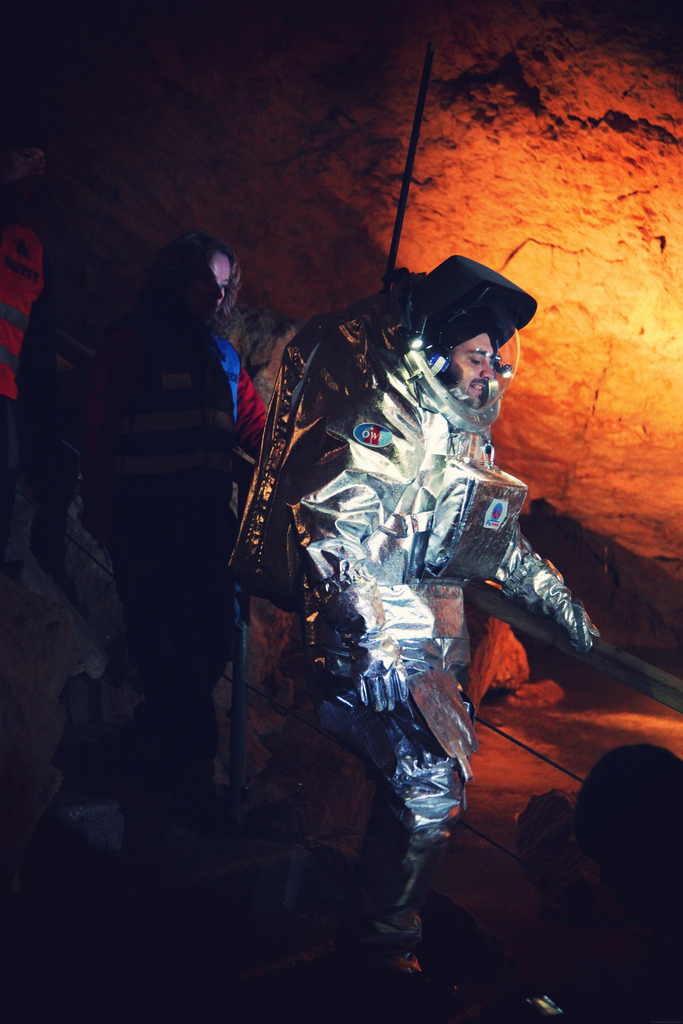
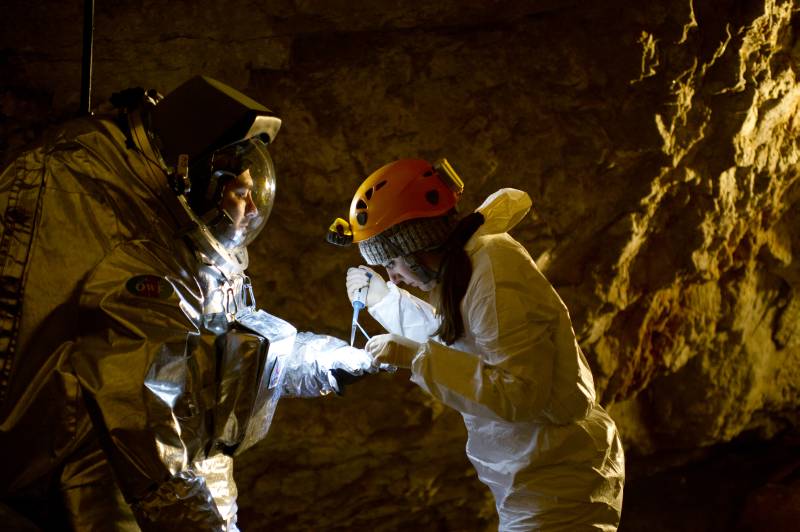
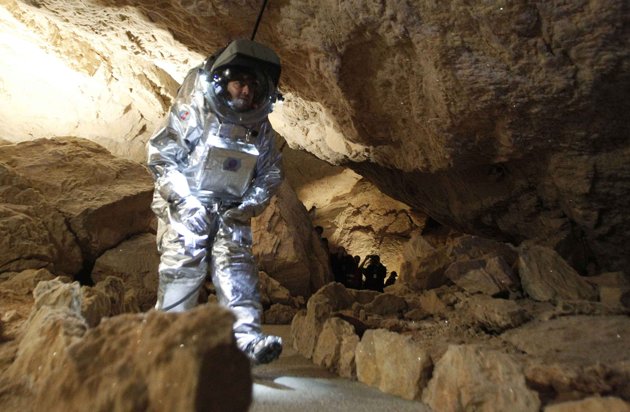
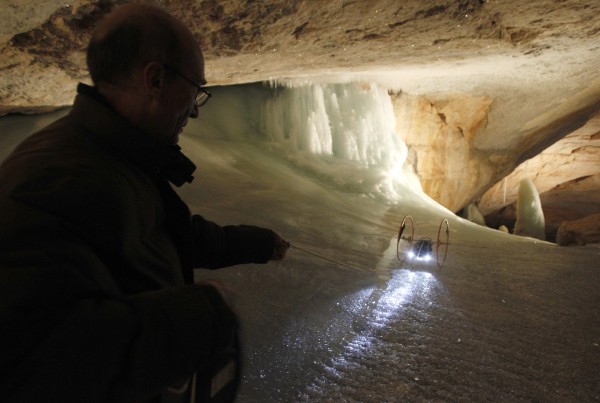
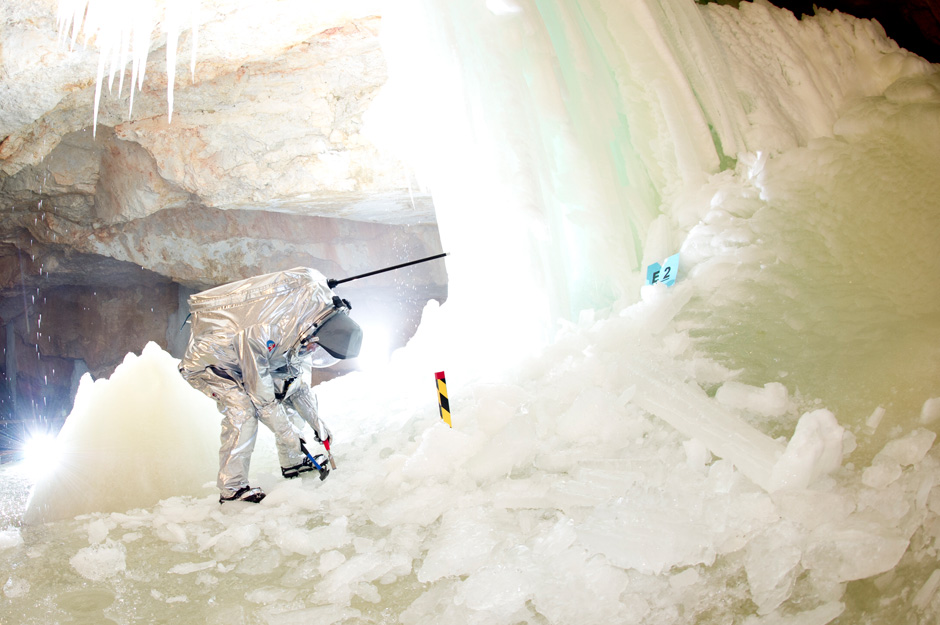
An ice cave in Austria was recently used as a test landscape for experimental spacesuits and instrumentation systems—including 3D cameras—that might someday be used by humans on Mars.

The Dachstein ice cave was chosen, Stuff explains, “because ice caves would be a natural refuge for any microbes on Mars seeking steady temperatures and protection from damaging cosmic rays.”

[Images: (top and bottom) Photos by Katja Zanella-Kux; middle photos via Karst Worlds].

Many images available at the Dachstein Mars Simulation Liveblog—including this series of 25 images courtesy of the Austrian Space Forum—document the testing process, which ranged from the beautifully surreal, as a fully space-suited man rolls strange devices down slopes of ice inside the planet, to the nearly postmodern, as crowds of normally dressed tourist onlookers are revealed at the edges of the show cave, watching this odd performance unfold.

And all this is in addition to the “obstacle course” developed for wearers of the spacesuit—reverse-engineering terrain from a particular type of clothing, or landscape design as an outgrowth from fashion—in the parking lot and nearby paved spaces of a research center in Austria. “The course included four snow-mountain passages, almost 40 meters of rock climbing and more than 60 meters of slushy snow terrain amongst others”—including “drawing bright ‘rocks’ to make the simulation happen” accurately.

Walking amidst painted representations of geology, wearing a suit designed for the atmosphere of another planet, and temporarily moving below the surface of the earth to throw pieces of specialty equipment down ice slopes, attached to ropes, the team was able to, by means of props and in William L. Fox’s words, “perform Mars on Earth.”

(Spotted via Karst Worlds).

Breaking Out and Breaking In Finale

[Image: Poster design by Atley Kasky of Outpost].

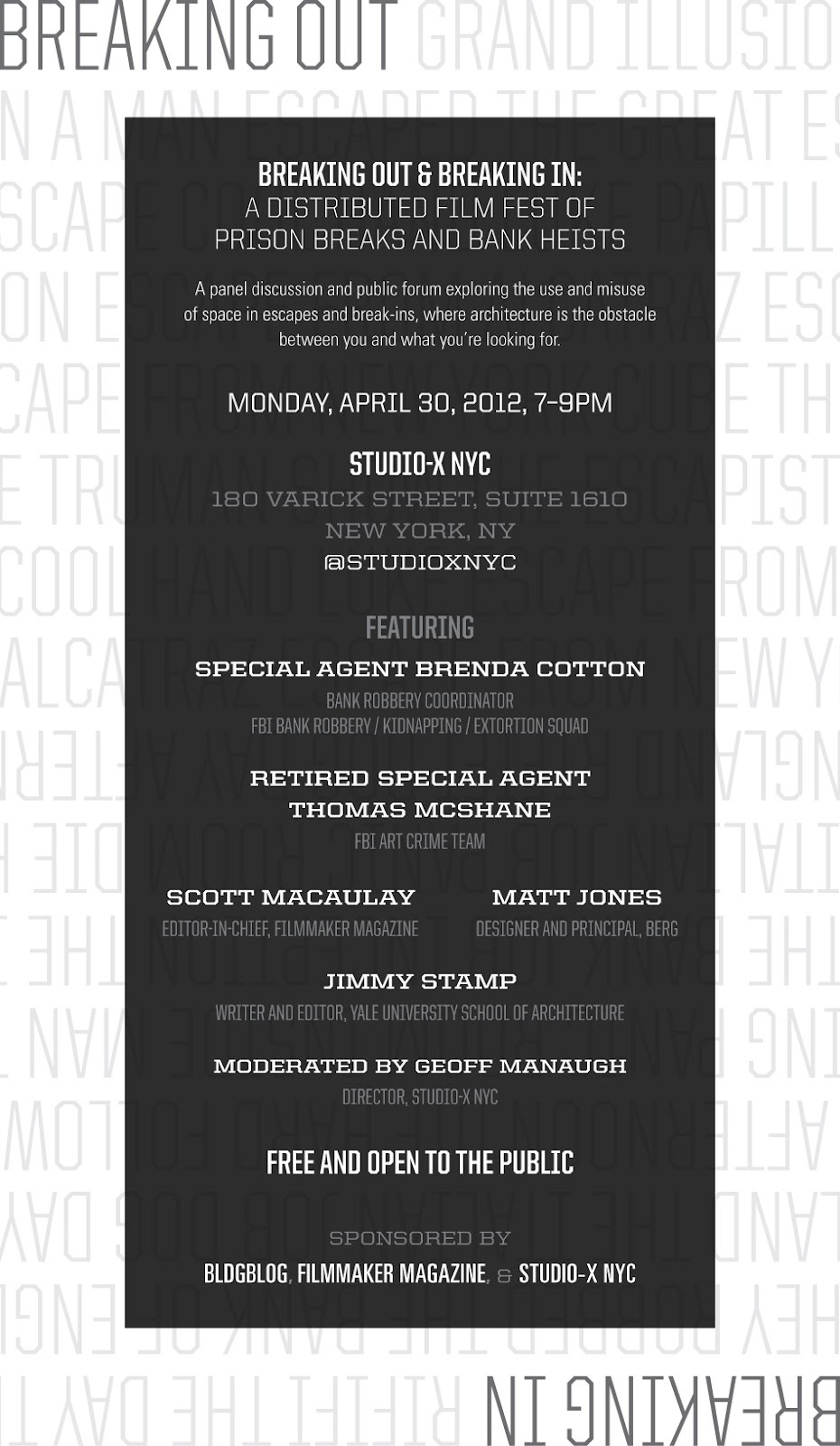
Although I hope to post again about the specific topics to be discussed at this event, I didn’t want to lose any more time in announcing the Breaking Out and Breaking In final public event to be hosted at Columbia University’s Studio-X NYC on Monday, April 30, featuring a unique and exciting panel of discussants drawn from the worlds of film, design, history, architecture, and the FBI.

Stop by to hear Special Agent Brenda Cotton, Bank Robbery Coordinator for the FBI’s Bank Robbery/Kidnapping/Extortion Squad; Thomas McShane, Retired FBI Special Agent from the Bureau’s Art Crime Team and co-author of Stolen Masterpiece Tracker; Scott Macaulay, editor-in-chief of Filmmaker Magazine, co-sponsors of the Breaking Out and Breaking In film festival; Matt Jones, designer and principal at BERG; and Jimmy Stamp, writer and editor at the Yale University School of Architecture and co-organizer of last year’s symposium on the architecture of the getaway, the hideout, and the coverup.

The event is free, open to the public, and kicks off on April 30 at 7pm sharp. We’ll be at 180 Varick Street, Suite 1610, on the 16th floor; here’s a map. Stop by for a panel discussion and open Q&A about the spatial scenarios of real and cinematic crimes, from armored car heists to panic rooms, from Boston art thefts to Los Angeles bank tunnels, and from the internal layouts of financial institutions to the unanticipated criminal side-effects of urban design, exploring the built environment from the perspective of the crimes that can be planned and foiled there.

Ephemeral islands and other states-in-waiting

[Image: Temporary islands emerge from the sea, via].

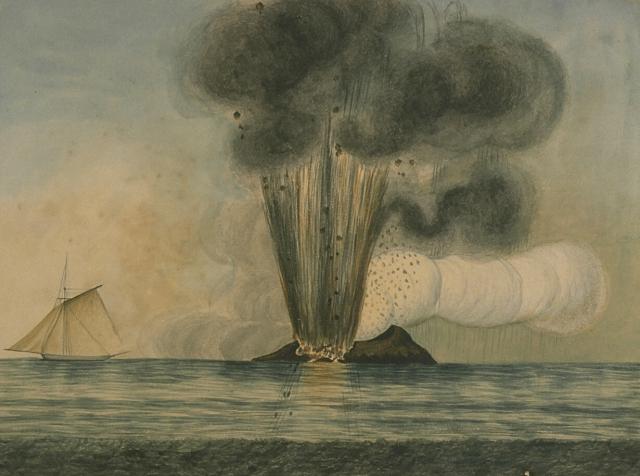
In the Mediterranean Sea southwest of Sicily, an island comes and goes. Called, alternately and among other names, depending on whose territorial interests are at stake, Graham Bank, Île Julia, the island of Ferdinandea, or, more extravagantly, a complex known as the Campi Flegrei del Mar di Sicilia (the Phlegraean Fields of the Sicily Sea), this geographic phenomenon is fueled by a range of submerged volcanoes. One peak, in particular, has been known to break the waves, forming a small, ephemeral island off the coast of Italy.

And, when it does, several nation-states are quick to claim it, including, in 1831, when the island appeared above water, “the navies of France, Britain, Spain, and Italy.” Unfortunately for them, it eroded away and disappeared beneath the waves in 1832.

It then promised to reappear, following new eruptions, in 2002 (but played coy, remaining 6 meters below the surface).

The island, though, always promises to show up again someday, potentially restarting old arguments of jurisdiction and sovereignty—is it French? Spanish? Italian? Maltese? perhaps a micronation?—so some groups are already well-prepared for its re-arrival. As Ted Nield explains in his book Supercontinent, “the two surviving relatives of Ferdinand II commissioned a plaque to be affixed to the then still submerged volcanic reef, claiming it for Italy should it ever rise again.” This is the impending geography of states-in-waiting, instant islands that, however temporarily, redraw the world’s maps.

The story of Ferdinandea, as recounted by that well-known primary historical source Wikipedia and seemingly ripe for inclusion in the excellent Borderlines blog by Frank Jacobs, is absolutely fascinating: it’s appeared on an ornamental coin, it was visited by Sir Walter Scott, it inspired a short story by James Fenimore Cooper, it was depth-charged by the U.S. military who mistook it for a Libyan submarine, and it remains the subject of active geographic speculation by professors of international relations. It is, in a sense, Europe’s Okinotori—and one can perhaps imagine some Borgesian wing of the Italian government hired to sit there in a boat, in open waters, for a whole generation, armed with the wizardry of surveying gear and a plumb bob dangling down into the sea, testing for seismic irregularities, as if casting a spell to coax this future extension of the Italian motherland up into the salty air.

Glass Hills of Mars

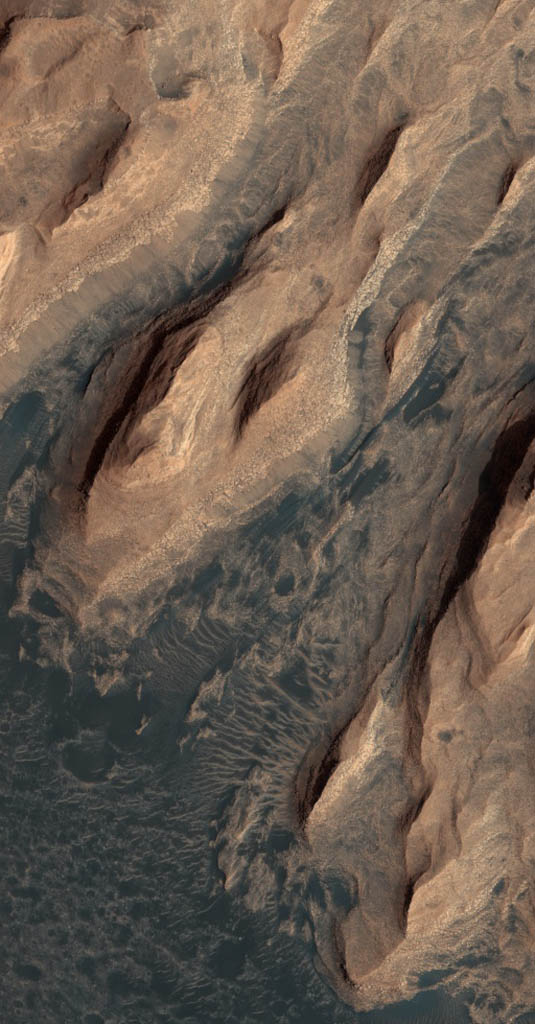
More than 10 million square kilometers of landscape on the surface of Mars, a region nearly the size of Europe, is made of glass—specifically volcanic glass, “a shiny substance similar to obsidian that forms when magma cools too fast for its minerals to crystallize.”

[Image: An otherwise randomly grabbed image of Mars from the fantastic HiRISE site].

In a paper called “Widespread weathered glass on the surface of Mars,” authors Briony Horgan and James F. Bell III, from the School of Earth and Space Exploration at Arizona State University, go on to suggest that “the ubiquitous dusty mantle covering much of the northern plains [of Mars] may obscure more extensive glass deposits” yet to be mapped.

Although it’s worth emphasizing that this glass is present mostly in the form of “Eolian” grains—that is, small pieces of windblown sand accumulating in dune fields—it is, nonetheless, a sublime scene to consider, with endless glass ridges and hills rolling off beneath stars and red dust storms, slippery to the touch, as hard as bedrock, cold, perhaps glistening and prismatic inside with distorted reflections of constellations, like blisters of light on a television screen coextensive with the surface of the planet. You could slide from one hill to the next, for hours—for days—alone on a frozen ocean of self-reflecting landforms, dizzy with the images locked within.

(What would a glass farm look like, agriculture carved into crystalline ridges, cultivating strange geologies? Meanwhile, ages ago, in a different lifetime on BLDGBLOG: Mount St. Helens of Glass).

Hydro-Electro-Musical Machinery

[Image: Flow].

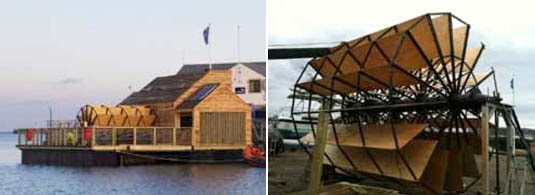
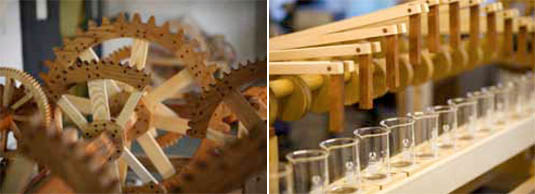
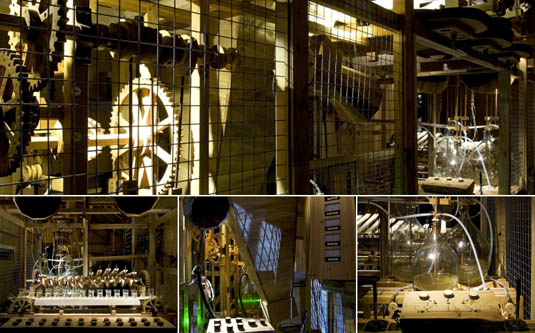
A floating tidemill on the UK’s River Tyne has been filled with “electro-acoustic musical machinery,” powered by the river itself. The building, a collaboration between Owl Project and Ed Carter, called Flow, is “a floating building on the River Tyne that generates its own power using a tidal water wheel.”

The acoustic machines inside, powered by CNC-milled wooden gears and timber pistons, “respond directly to the ever-changing state of the river. The sounds created by each instrument can also be manipulated by visitors to the millhouse.”

[Images: Flow].

Specifically, the floating auditorium includes “three inter-connected sonic instruments which mix traditional craft and digital innovation. They draw water from the River Tyne, passing it through a series filters, lasers and sensors, which bubble, beep, hiss, creak and groan.” For at least one instrument, the resulting sounds are determined by the salt-content of the water: “A wooden mechanism then dips a series of electrodes into the jars and creates a series of sounds. The pitch of the sounds will be modified depending on the salinity levels of the water.”

The installation is thus also a kind of lo-fi river research station, supplying data about the water it floats within (in the designers’ words, it uses “a range of traditional and new technologies to monitor key environmental details, including water temperature, speed, salinity, and pollution”).

[Images: Flow].

Finally, “Owl Project has designed a series of Log interfaces to alter the sounds the instruments make,” literal pieces of wood with knobs and levers that produce acoustic special effects.

[Images: Flow].

It seems obvious to describe this as a kind of mobile version of the Sea Organ in Zadar, Croatia—or the San Francisco Wave Organ—with the addition of fine woodworking skills and some quasi-scientific instrumentation. Putting this into the context of a project like “Amphibious Architecture,” featured here a few years ago, it’s easy to imagine an acoustic early-warning system for pollution, floods, and even the appearance of rare marine wildlife. A city’s waterfront—a whole bay—ornamented by singing buoys.

You can follow the project on Twitter, and there is theoretically a live-stream of sounds here. If any readers out there happen to hear it in person, let me know!

(Spotted via The Wire).

Building in a Bottle

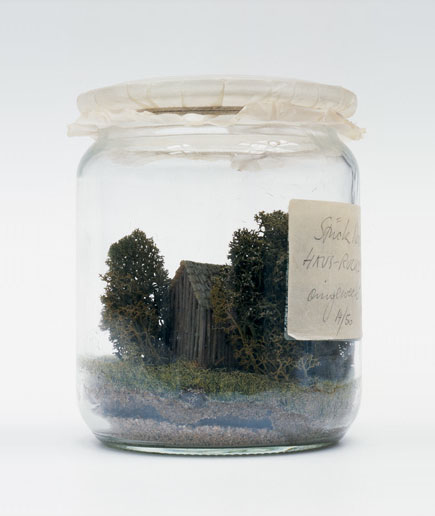
[Image: Piece of Nature Preserved (1973) by Haus-Rucker-Co; photo by Hagen Stier, courtesy of the Deutsches Architekturmuseum].

A forthcoming exhibition at the Deutsches Architekturmuseum in Frankfurt explores the world of the architectural model, from Frei Otto and Rem Koolhaas to Peter Eisenman.

The above piece, by Haus-Rucker-Co, called Piece of Nature Preserved (1973) seems worthy of highlighting. “The small hut is a tongue-in-cheek commentary on the longing for a simple, back-to-the-roots way of life,” the museum suggests. “Nature unharmed by destructive environmental forces can only be created in a glass capsule, as a model in the shape of a preserving jar.”

The exhibition opens the evening of May 24.

Every House Has Cracks

[Image: Via English Russia].

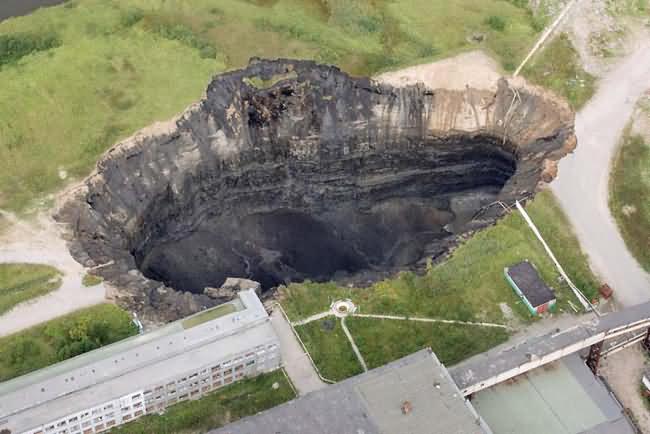
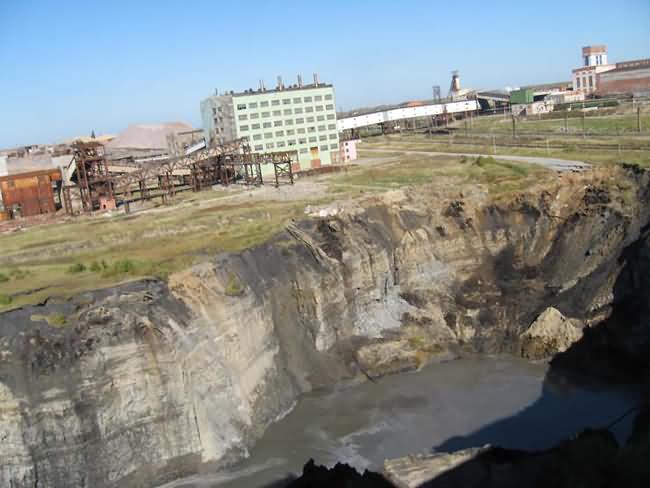
In a story seemingly invented for future landscape architecture thesis projects, we find the city of Berezniki, Russia. “In the West,” the New York Times explains, “mines are usually located far from populous areas, to reduce the risks of sinkholes to homes and other buildings. But Berezniki, a city of 154,000 that began as a labor camp, was built directly over the mine—a legacy of the Soviet policy of placing camps within marching distance of work areas.”

With collapsing salt pillars and widespread erosion in the derelict mines below the city, Berezniki is thus “afflicted by sinkholes, yawning chasms hundreds of feet deep that can open at a moment’s notice.”

[Image: Via English Russia].

Incredibly, like a geologically-themed remake of The Truman Show, the city has responded with “24-hour video surveillance.”

On a screen in the command center late last year, one such hole appeared as a small dark spot in a snowy field in the predawn hours, immediately threatening to suck in a building, a road and a gas station. “I looked and said, ‘Wow, a hole is forming,'” recalled Olga V. Chekhova, an emergency services worker who monitors the video… While scientists have so far successfully predicted each sinkhole, the chasms can open with astonishing speed. On Dec. 4, as Ms. Chekhova watched the dark spot on her screen expand, witnesses began calling an emergency number for reporting sinkholes. They had heard a loud swooshing noise.

The town has decided to “fight the holes with science,” putting in place “a panoply of high-technology monitors. These include the video surveillance system, seismic sensors, regular surveys and satellite monitoring of the changes in altitude of roofs, sidewalks and streets.”

While the design possibilities of a town off-kilter with itself are clear, the Times article seems to undersell the incompetence of the city officials, mine engineers, and policy-makers who oversaw the creation of the underground facilities in the first place and who made the idiotic decision to locate a city overtop land that would subsequently be excavated. Having said that, the photo gallery accompanying the original article—unlike the more sensationalist images I’ve chosen here—focuses on the people who actually live there, families who watch as cracks appear in their ceilings and walls, looking around at furniture they can’t afford to move and the neighborhoods that seem on the verge of, in the article’s words, “being sucked into the earth.”

“In my view, we need to move the entire town,” one of the residents says, with what seems like obvious melancholy. He’s not reaching for a sketchbook or planning robotic future cities on stilts. “Every house has cracks.”

Ghost Town Climatology

[Image: The ghost town of Animas Forks, Colorado, via Wikipedia].

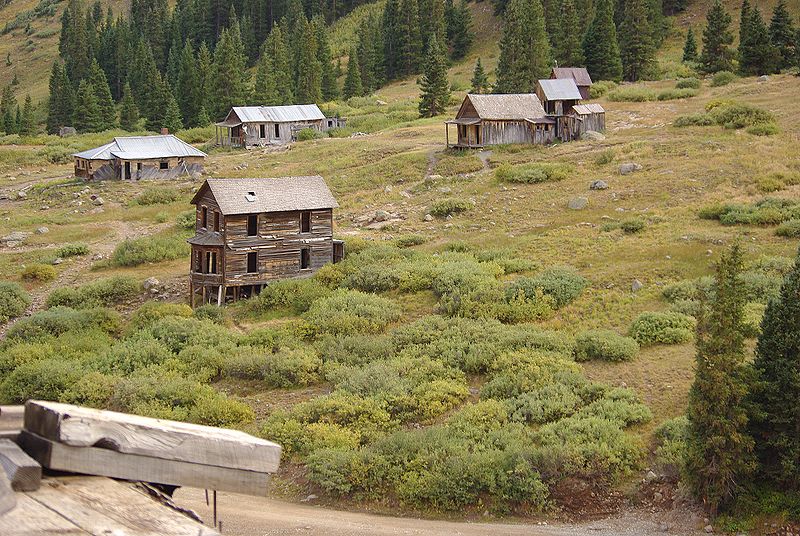
Fred Chambers, an Associate Professor of Geography and Environmental Sciences at the University of Colorado, is studying what he calls “ghost town climatology,” or the declining temperature of a region as it is abandoned by human activity. He describes it as “a reverse urban heat island effect.”

There’s not much info available right now on his website, but the idea of weather patterns being generated by ghost towns—abandoned villages in the mountains creating artificial winters that haunt those in the city down below—is a captivating one. As if, to exaggerate the study’s implications, you could hike up into the hills one day and locate the source of all that snow, stumbling, half-blind and frostbitten, into a dead valley of churches and town halls, fighting against a wind those empty buildings help to generate.